Executive Summary: A Resilient Path Forward
The Peruvian economy has demonstrated a robust and sustained recovery as the nation crosses the threshold into the second half of 2026. According to the latest official report released by the National Institute of Statistics and Informatics (INEI), the country’s productive activity has maintained a positive trajectory, reflecting a resilient macroeconomic environment despite global volatility.
During the first six months of 2026, Peru’s national production registered a cumulative growth of 3.05%. This momentum was further underscored by a solid annualized growth rate (July 2025–June 2026) of 3.33%. While the month of June specifically saw a moderate expansion of 1.75%, the underlying data reveals a complex interplay of high-performing industrial sectors acting as engines of growth, counterbalanced by traditional sectors facing temporary headwinds due to environmental and operational factors.
Chronology of Economic Performance: The First Half of 2026
The economic performance throughout the first semester of 2026 has been defined by a transition from recovery to expansion.
- Q1 2026: The year began with a cautious but optimistic outlook, with infrastructure projects and private investment beginning to materialize, signaling a reversal of previous stagnation.
- April–May 2026: The mid-quarter period saw the consolidation of service-oriented sectors. Consumer confidence began to rise, supported by a cooling of inflation rates and increased credit accessibility.
- June 2026: The month served as a critical barometer for the semester. While overall growth settled at 1.75%, the diversification of the economy became evident. The surge in construction and the retail automotive boom acted as the primary drivers, offsetting the contractions observed in the primary industries, such as fishing and mining, which were impacted by climate-driven supply chain interruptions.
Supporting Data: Sectoral Dynamics
The INEI data paints a nuanced picture of the Peruvian economy, where non-primary sectors are increasingly driving the Gross Domestic Product (GDP).
1. Construction: The Engine of Industrial Growth
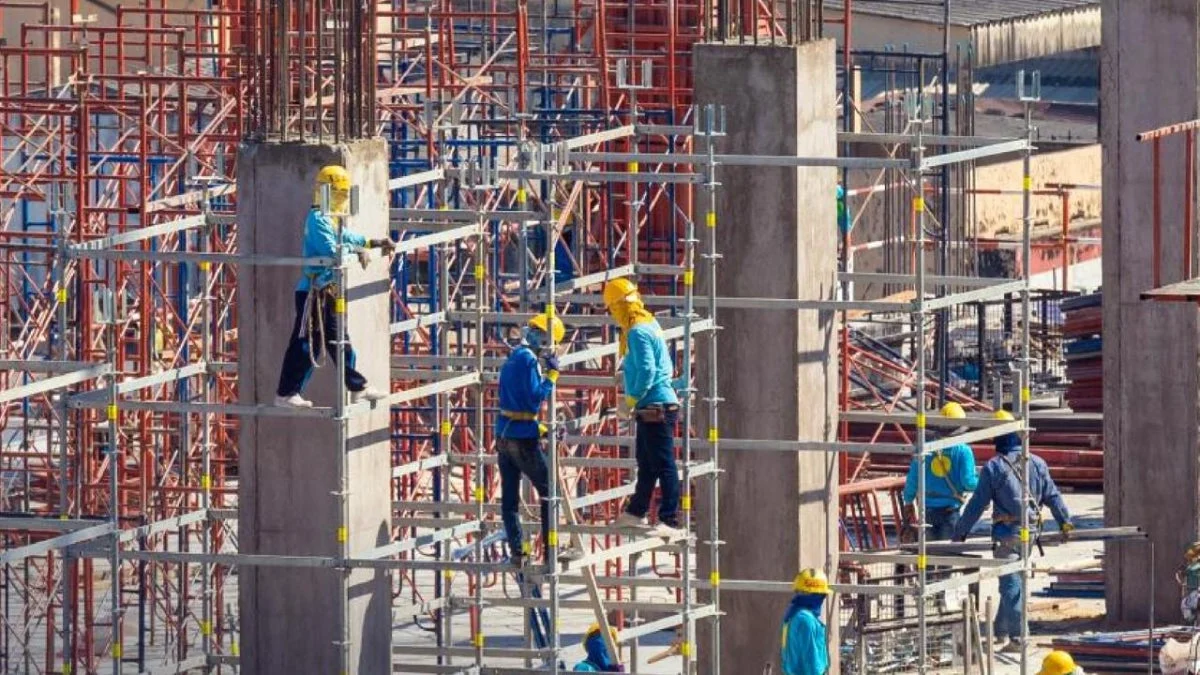
The construction sector experienced a stellar growth rate of 9.04% in June. This surge was primarily fueled by a 12.54% spike in internal cement consumption. This is not merely a statistical anomaly but a reflection of tangible activity:
- Private Infrastructure: Significant investments in manufacturing plant expansions and electrification projects.
- Mining Infrastructure: Upgrades to existing mining facilities required to meet long-term extraction goals.
- Residential Development: A dual-track growth observed in both high-density multi-family housing projects and the persistent trend of "self-construction" in emerging urban areas, which continues to be a cornerstone of the domestic building market.
2. Commercial Boom and Automotive Resilience
The commerce sector posted a remarkable 7.81% increase in June. Within this, the automotive segment reached a historic milestone with 30.97% growth. The demand for both light and heavy vehicles, along with a surge in motorcycle sales, indicates both a rise in individual purchasing power and an expansion of logistics fleets for business operations.
Retail trade also showed vitality, growing by 7.24%. This was driven by a combination of modernized supply chains—such as convenience stores and pharmacies—and the expansion of large-scale supermarket operations. Wholesale trade, meanwhile, grew by 5.02%, reflecting steady demand for industrial machinery and heavy construction materials.
3. Services and Lifestyle: A Festive Boost
The "Alojamiento y Restaurantes" (Accommodation and Restaurants) sector saw a 5.04% increase. This was not accidental; the Peruvian economy leveraged a series of cultural and national events in June to stimulate domestic tourism and consumption. The Inti Raymi in Cusco, the Fiesta de San Juan in the Amazon, and celebrations for Día del Padre and Día Nacional del Ceviche provided a massive stimulus for the food and hospitality industry. The surge in "catering by request" (up 23.74%) highlights a shifting trend toward corporate outsourcing of food services.
4. Transport and Financial Stability
The transport, storage, and messaging sector grew by 2.48%, with road transportation leading the way. A particularly interesting data point is the 4.9% increase in pipeline transport, linked directly to higher production levels of natural gas and associated liquids, showcasing the integration between energy extraction and logistics.
The financial sector, meanwhile, has recorded three consecutive months of positive growth (1.52% in June). The 2.92% increase in credit placements, led by municipal savings banks and the banking system, suggests that capital is becoming more accessible to small and medium enterprises, which are the backbone of the Peruvian economy.
Official Responses and Challenges
The INEI’s report, while celebratory of the growth, also highlights the structural vulnerabilities that the government and private sector must address. The contraction in the Agropecuario, Fishing, and Mining sectors serves as a reminder of Peru’s dependence on natural resources.
Environmental factors remain the greatest threat to primary production. The volatility in the fishing sector, often at the mercy of sea temperature fluctuations and oceanic currents, continues to create "valleys" in the monthly production data. Furthermore, the mining and hydrocarbons sectors face operational constraints that prevent them from fully capitalizing on global commodity prices.
Economic analysts emphasize that while the 3.33% annualized growth is impressive, the sustainability of this growth depends on the government’s ability to streamline administrative procedures for major mining projects and invest in climate-resilient agricultural infrastructure.
Implications: What This Means for the Future
The implications of this mid-year data are significant for investors, policymakers, and the general public:
- Macroeconomic Stability: The sustained growth suggests that Peru’s central bank policies have been effective in managing inflationary pressures while fostering an environment conducive to investment.
- Labor Market Opportunities: With the construction and commerce sectors leading the charge, there is a clear demand for skilled labor in logistics, engineering, and digital retail management.
- Shift in Economic Drivers: The data confirms a trend where the Peruvian economy is successfully diversifying. While the primary sectors remain important, the "multiplier effect" of the service and construction sectors is becoming more pronounced. This reduces the country’s vulnerability to fluctuations in international raw material prices.
- Consumer Sentiment: The rise in vehicle sales and restaurant spending indicates a strengthening of the middle-class consumer base. This "domestic demand-led growth" is often more stable and sustainable than export-dependent models.
Concluding Outlook
As Peru moves into the second half of 2026, the challenge will be to maintain this momentum. The government faces pressure to maintain fiscal discipline while simultaneously accelerating public-private partnerships (PPPs) in infrastructure. If the construction and service sectors can sustain their current trajectory, and if the primary industries recover from their recent environmental setbacks, Peru is well-positioned to exceed its year-end growth projections.
The data provided by the INEI is more than just a collection of percentages; it is a snapshot of a country in transition, moving toward a more modernized, service-oriented economy while still leveraging its vast natural wealth. For the remainder of the year, the focus will likely remain on consolidating these gains, ensuring that the benefits of this 3.33% growth reach the broader population, and mitigating the risks associated with climate unpredictability.
In summary, the first half of 2026 has provided a solid foundation. The challenge for the second half lies in transforming this growth into long-term, inclusive development that can withstand the inevitable shifts in the global economic landscape.