In a series of bold policy declarations, the newly appointed Minister of Justice and Human Rights, Ernesto Álvarez, has unveiled a multifaceted strategy to overhaul Peru’s penitentiary system and redefine the nation’s relationship with international human rights bodies. Addressing a landscape marked by fiscal instability and escalating criminal influence within correctional facilities, Álvarez’s agenda signals a departure from previous administrative approaches, emphasizing structural reform and enhanced security protocols.
The Push for Military Involvement in Prison Perimeter Control
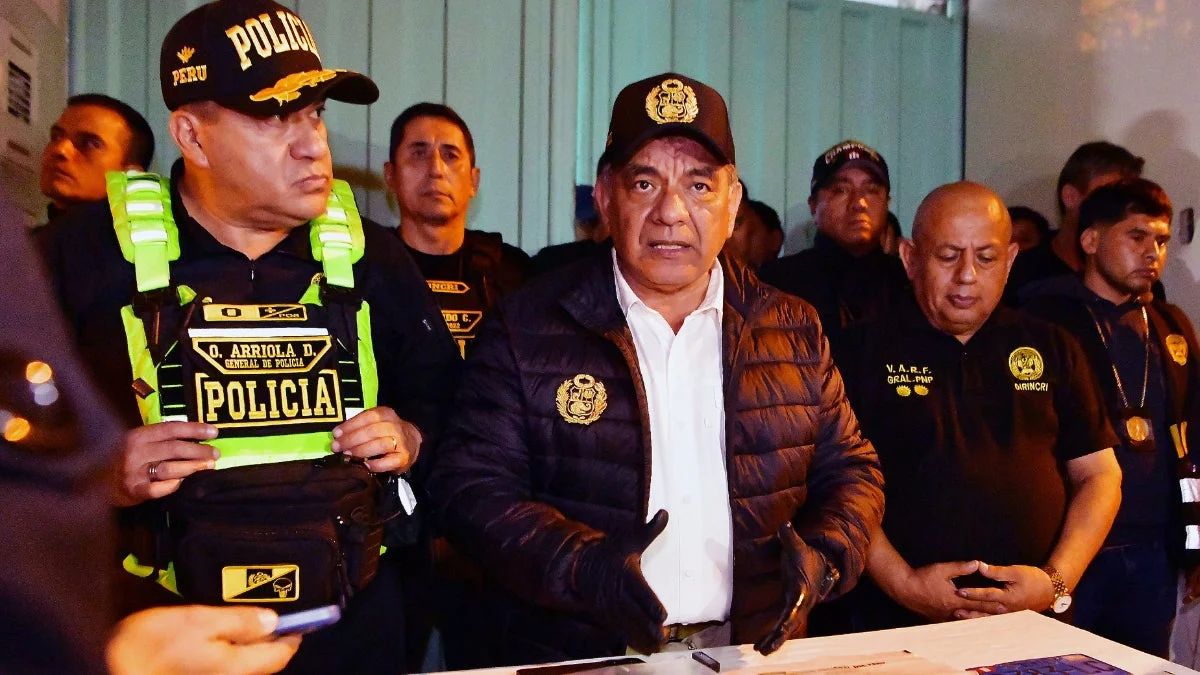
The centerpiece of Minister Álvarez’s security strategy is the integration of the Armed Forces into the management of the nation’s prison perimeters. Speaking in a recent interview, the Minister clarified that the government intends to utilize legislative channels to authorize the military to secure the exterior of correctional facilities.
"Our goal is to ensure that the Armed Forces provide perimeter control for our prisons," Álvarez stated. "This is a critical step to prevent the infiltration of illicit items and the installation of unauthorized telecommunications equipment, such as signal-jamming antennae, which currently facilitate the operation of criminal organizations from within prison walls."
This policy shift comes at a time when the Peruvian prison system is struggling to contain the influence of incarcerated criminal leaders. By establishing a military buffer zone, the Ministry aims to sever the communication lines that allow gangs to orchestrate extortion and other illicit activities from behind bars. The Minister noted that the government expects to present the legislative proposal for delegated powers to Congress within the coming days, aiming for full implementation through executive decrees within a two-month window.
A Systemic Financial Crisis at the INPE
Beyond the immediate security concerns, Minister Álvarez highlighted a staggering financial mismanagement inherited from the previous administration. According to the Minister, the National Penitentiary Institute (INPE) is currently operating under a state of extreme scarcity.
"The previous administration left us with no budget for basic operations, including essential cleaning and security services," Álvarez reported. "The funds originally allocated for the fiscal year were exhausted by June 30. This is an entirely anomalous situation, reflecting a level of administrative negligence that borders on total institutional breakdown."
The Minister further criticized the internal instability of the INPE, noting that the frequent, discretionary rotation of prison directors and authorities has left the system vulnerable to corruption and manipulation by criminal syndicates. This "provisionality," as Álvarez termed it, has crippled the institution’s ability to maintain order, leaving it unable to afford basic supplies or maintain secure infrastructure. The Ministry of Justice is now tasked with seeking emergency funding to stabilize these essential services while simultaneously seeking to purge the system of undue external influence.
Stance on the Inter-American System of Human Rights
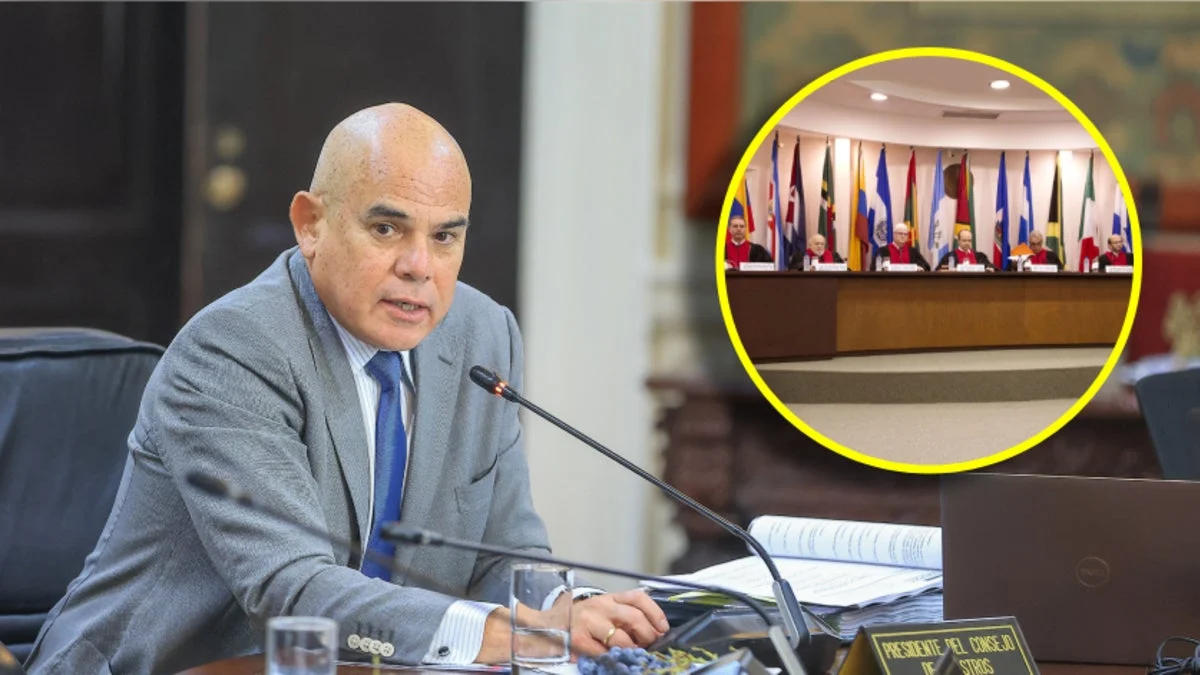
While focusing on domestic security, Minister Álvarez also addressed the contentious debate regarding Peru’s position within the Inter-American System of Human Rights (SIDH). Despite speculation regarding a potential exit from the jurisdiction of the Inter-American Court of Human Rights (Corte IDH), the Minister clarified that the Cabinet has not formally discussed such a withdrawal.
"This was not a campaign promise, nor is it a decision of the current administration under President Keiko Fujimori," Álvarez emphasized. However, he admitted that the status quo is insufficient. He argued that the current administration of justice in Peru is marred by uncertainty, where outcomes are often dictated by the ideological leanings of individual judges rather than a consistent application of the law.
Seeking "Deep Reform" of the SIDH
Rather than seeking an immediate exit, Álvarez advocated for a "pro-reform" stance. He believes the current hemispheric political climate offers a "golden opportunity" for Peru to lead a diplomatic effort within the Organization of American States (OAS).
"We are in a unique position to negotiate with other democratic nations in the region to push for a deep, structural reform of the SIDH," the Minister stated. His critique focuses on the belief that the system is currently influenced by "ideologized" officials and non-governmental organizations (NGOs) that prioritize specific international agendas over national sovereignty and justice.
"The problem often lies not with the commissioners or the judges themselves, but with the functional staff who respond to external interests," he argued. The Ministry intends to make this push for reform a key pillar of its foreign policy, positioning it as a move supported by a broad consensus within the Peruvian legal community.
Chronology: The Evolution of the Crisis
- June 30: The previous government’s allocated budget for the INPE is officially exhausted, leaving the prison system without funding for core operations.
- Early Transition: President Keiko Fujimori’s administration assumes office, inheriting a legacy of administrative instability and rising prison-based criminal activity.
- August: Minister Ernesto Álvarez is appointed to the Ministry of Justice and Human Rights, tasked with addressing the "provisionality" of the penitentiary system.
- September (Current): Minister Álvarez outlines the legislative agenda to Congress, prioritizing the militarization of prison perimeters and a diplomatic push for the reform of the Inter-American System of Human Rights.
Implications for Public Policy and Human Rights
The proposed policies carry significant implications for the Peruvian state. The involvement of the Armed Forces in domestic law enforcement—specifically in the context of prisons—marks a pivot toward a more securitized approach to internal order. Proponents argue that the severity of criminal activity necessitates such drastic measures, while critics may raise concerns regarding the militarization of civilian institutions and the potential impact on human rights standards.
Simultaneously, the call for a "deep reform" of the Inter-American system puts Peru at the center of a regional debate about the role of international human rights oversight. By framing the reform as a necessity to ensure a fair, non-ideological justice system, the government is attempting to balance its commitment to human rights with its desire to reclaim greater sovereignty over its legal processes.
Official Responses and Next Steps
The legislative path forward remains the most immediate hurdle for the Ministry. Minister Álvarez acknowledged that the success of his security plan depends entirely on Congressional cooperation. With the request for legislative delegation pending, the Executive branch must now lobby for the approval of decrees that will empower the Armed Forces.
In the interim, the Ministry of Justice is working to address the "anomalous" financial state of the INPE. The challenge lies in securing emergency funds while the country grapples with a broader economic context. The Minister’s rhetoric suggests a long-term plan to move away from the "discretionary" management style of the past, aiming for a more centralized and transparent control of the nation’s correctional facilities.
As the government prepares to present its proposals, the focus will remain on whether these measures can effectively restore public confidence in the judicial system and whether the international community will be receptive to Peru’s calls for a structural overhaul of the Inter-American Human Rights framework. For now, the administration stands firm in its assessment: the status quo is untenable, and radical change is the only path toward restoring order and institutional legitimacy.