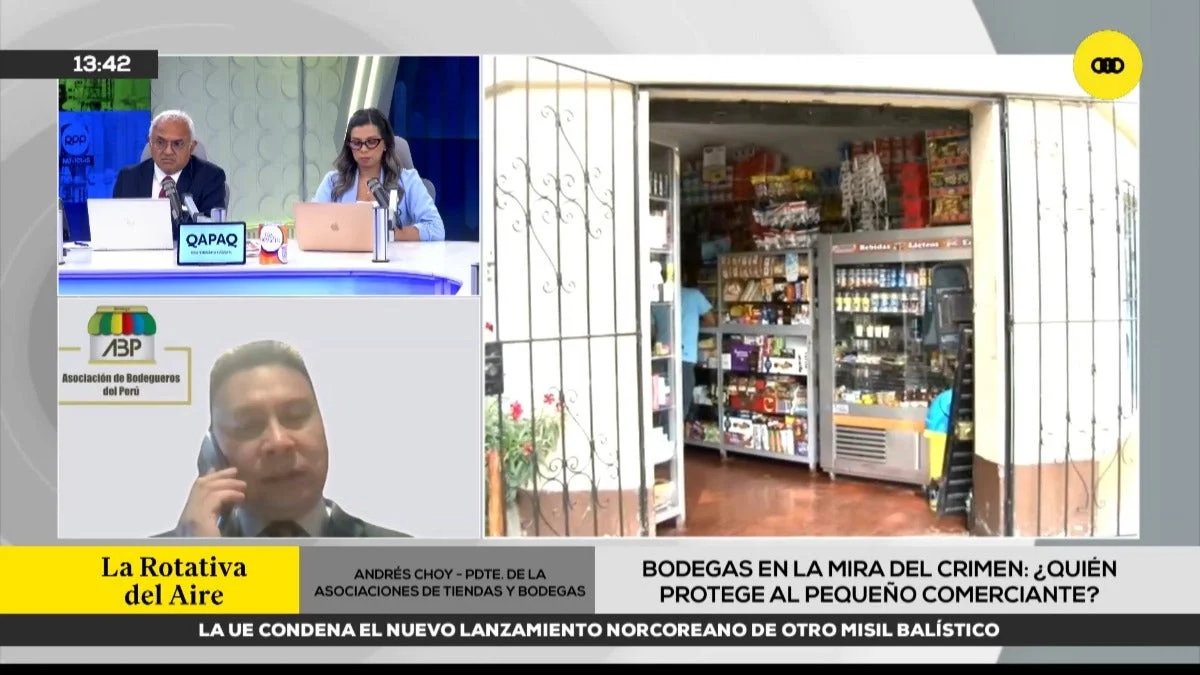
In the heart of Peru’s bustling neighborhoods, the bodega—a small, family-run convenience store—has long served as the backbone of the local economy and a cornerstone of community life. However, these vital micro-enterprises are currently facing an unprecedented existential threat. According to Andrés Choy, president of the Association of Bodegueros of Peru (ABP), the rapid escalation of organized crime and extortion has forced shopkeepers to transform their modest storefronts into fortified bunkers.
The situation has reached a breaking point, with nearly 99.9% of these establishments now operating behind heavy iron grilles. In a desperate bid for survival, many owners are going further, installing industrial-grade steel plating to shield themselves and their families from the rising tide of stray bullets and violent intimidation.
The Evolution of Terror: A Chronology of Insecurity (2021–2025)
The landscape of retail security in Peru has shifted dramatically over the past four years. What began as occasional incidents of petty theft or localized intimidation has metastasized into a sophisticated, nationwide extortion racket.
2021–2022: The Era of Exorbitant Demands
Between 2021 and 2022, criminal organizations adopted a high-stakes strategy. Extortionists would target bodega owners with demands for massive, lump-sum payments ranging from S/20,000 to S/30,000 (roughly $5,300 to $8,000 USD). These figures were, for the average family-run business, completely detached from reality.
“Back then, even if you sold the entire inventory of your store, you wouldn’t have enough to pay,” says Choy. During this period, the intimidation was not just financial; it was deeply psychological. Owners operated with a constant sense of dread, unable to distinguish between genuine customers and criminals scouting the premises. A person wearing a motorcycle helmet—a common sight in Peru—became a symbol of impending violence, leaving shopkeepers in a state of perpetual hyper-vigilance.
2023–2024: The Strategic Pivot
Recognizing that their aggressive "all-or-nothing" approach was forcing businesses to close their doors permanently—thereby killing the "goose that lays the golden eggs"—criminal syndicates adjusted their tactics. By 2023, the focus shifted from massive, one-time payments to a "subscription model" of extortion.
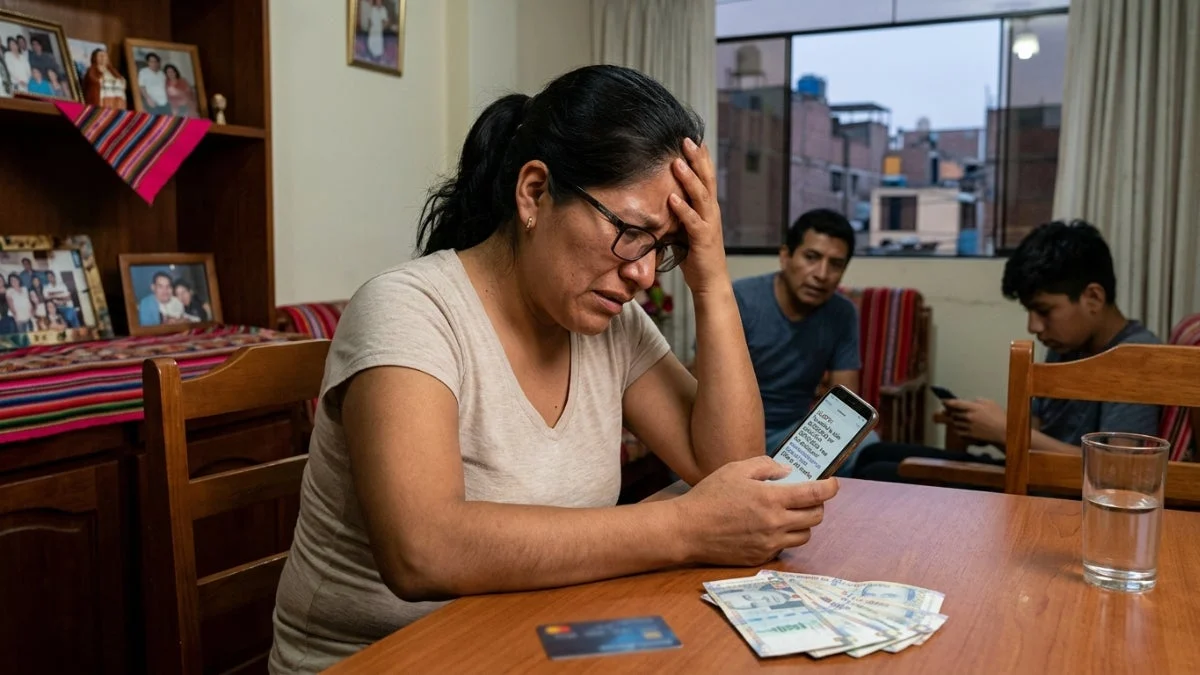
This pivot to "cupos" (periodic quotas) proved more sustainable for the criminals and more insidious for the victims. By demanding smaller, manageable amounts—ranging from S/50 to S/1,000—on a weekly, bi-weekly, or monthly basis, syndicates ensured a steady cash flow while avoiding the immediate collapse of the businesses they prey upon.
2025: The Current State of Affairs
Today, the situation has devolved into a multi-layered nightmare. Many shopkeepers are now being squeezed by multiple criminal factions simultaneously. "We have seen cases where our members are forced to pay ‘protection’ money to two different gangs at once," Choy explains. This "double-dipping" by rival mafias has turned the simple act of selling milk and bread into a high-risk gamble for survival.
Hardened Infrastructure: The "Fortress" Economy
The physical transformation of the Peruvian bodega is perhaps the most visible indicator of the crisis. To mitigate the risk of armed attacks, owners have been forced to invest their limited capital—funds that would otherwise go toward inventory, family needs, or business expansion—into defensive infrastructure.
- Iron Grilles: Now universal, these barriers prevent direct contact with customers, serving as a primary defense against robberies.
- Steel Plating: As shootings become more frequent in urban centers, owners are reinforcing their counters with steel plates. This is not for theft prevention, but for life preservation during potential crossfire.
- Surveillance Systems: Many owners have descapitalized their businesses to invest in high-definition CCTV systems, hoping that evidence will deter criminals or assist law enforcement.
The psychological toll of this "fortress living" cannot be overstated. Shopkeepers, who once prided themselves on providing friendly, open service to their neighbors, now look at their own community through the narrow, cold slits of an iron cage.
The Economic and Social Implications
The implications of this extortion epidemic extend far beyond the immediate financial loss.
1. The Death of Small Business
When a bodega closes, a neighborhood loses more than just a place to buy goods. These stores act as social hubs and, in many cases, providers of informal credit to low-income residents. When extortion makes these businesses unprofitable, the local economy suffers, leading to increased unemployment and reduced access to essential goods.
2. The Erosion of Trust
The constant fear of being watched, tracked, or threatened has damaged the social fabric of Peruvian neighborhoods. The anonymity of modern urban life, combined with the presence of criminal scouts, has destroyed the traditional sense of community safety that once defined these areas.
3. Financial Instability
The "cupos" represent a regressive tax on the poor. By siphoning off the meager profits of small businesses, criminal gangs are effectively preventing social mobility and keeping thousands of families trapped in a cycle of poverty and fear.
Institutional Deficiencies: A Call for Reform
Despite the clear evidence of an organized criminal network, the response from the Peruvian state has been criticized as fragmented and insufficient. Andrés Choy has been vocal in demanding a higher level of "articulation" between the three pillars of the justice system: the National Police, the Public Prosecutor’s Office (Fiscalía), and the Judiciary.
The current systemic failure is best described as a "revolving door" phenomenon. Shopkeepers, often at great personal risk, file formal complaints and cooperate with police investigations. In many instances, the police successfully identify and capture the extortionists. However, the process frequently breaks down at the judicial level. Suspects are often released shortly after their arrest due to technicalities, lack of follow-through in the prosecution, or, in more alarming cases, allegations of corruption within the system.
"What is the point of reporting a crime," one shopkeeper remarked, "if the person who threatened to burn down my store is back on the street a week later?"
The Road Ahead: Can the Bodegas Be Saved?
The survival of the Peruvian bodega requires more than just better locks and steel plates. It requires a comprehensive, multi-sectoral approach:
- Intelligence-Led Policing: The police must transition from reactive patrol tactics to proactive intelligence operations focused on dismantling the hierarchy of the extortion gangs rather than just arresting the "collectors" on the street.
- Judicial Accountability: The judiciary must address the procedural gaps that allow known extortionists to return to the streets. Tougher sentencing and stricter oversight of the pre-trial release process are essential.
- Community-Police Collaboration: There must be a restoration of trust between the shopkeepers and local law enforcement. This requires the creation of secure, anonymous reporting channels that protect the identity of the victims.
- Economic Support: The government should consider tax incentives or low-interest micro-loans for businesses that have been forced to spend their capital on security upgrades, allowing them to reinvest in their inventories.
Conclusion
The struggle of the Peruvian bodeguero is a microcosm of a larger national crisis. When the small entrepreneur—the person who works 14-hour days to provide for their family and serve their community—is forced to live in a cage, the entire society is diminished.
Andrés Choy’s warning is clear: without decisive, coordinated, and immediate action from the highest levels of the Peruvian government, the nation risks losing one of its most important economic and cultural institutions. The iron grilles and steel plates currently shielding these shops are not just defensive measures; they are symbols of a community under siege, waiting for the state to fulfill its most basic promise: the protection of its citizens.