The Regional Government of Huánuco (Gorehco) has officially approved the technical file for the remaining construction works on the Tingo María-Castillo Grande Bridge. This pivotal infrastructure project, which has been stalled for four years, is set to resolve a critical bottleneck in the Leoncio Prado province, replacing the aging Corpac bridge and ensuring the safety of thousands of residents.
Executive Summary: A Milestone for Regional Infrastructure
In a decisive move to address the chronic infrastructure deficit in the central jungle of Peru, the Regional Government of Huánuco (Gorehco) has formally approved the "Saldo de Obra" (remaining work) technical file for the construction of the Tingo María-Castillo Grande Bridge. This resolution, formalized under Regional Managerial Resolution No. 415-2026-GRH/GRI, earmarks a budget of S/ 56,573,668.45 to bring the project to its definitive conclusion.
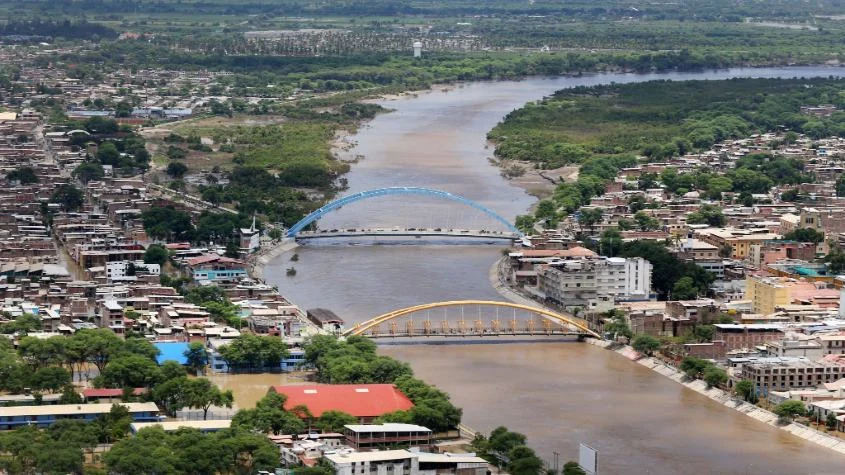
The project is widely regarded as one of the most critical infrastructure undertakings in the province of Leoncio Prado. Since its paralysis in August 2022, the region has struggled with significant logistical challenges, as the current crossing point—the Corpac bridge—has exceeded its design lifespan and structural capacity, posing a constant risk to the connectivity of the local population.
Chronology of a Stalled Project: From Planning to Resumption
The journey of the Tingo María-Castillo Grande Bridge has been marked by ambition, setbacks, and now, renewed political will.
- 2020-2021: Initial Phase: The project was conceived as a long-term solution to the traffic congestion and safety hazards associated with the outdated Corpac bridge, which serves as the primary artery connecting the city of Tingo María with the district of Castillo Grande and the expansive Monzón Valley.
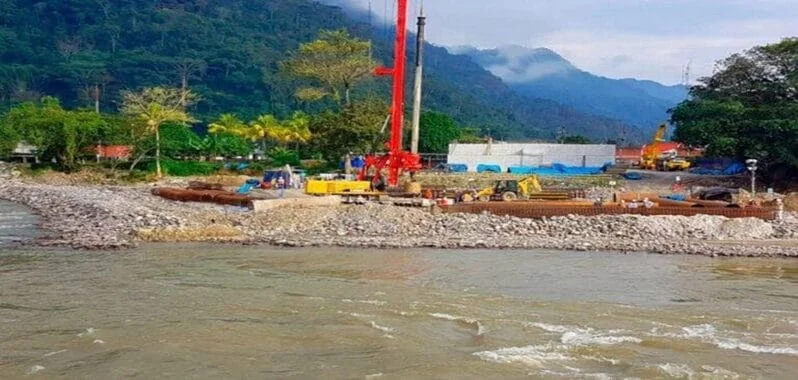
- August 2022: Paralysis: Amidst a shifting economic climate and complex contractual disputes, work on the bridge ground to a halt. For the past four years, the structure has remained in a state of suspended animation, a visible reminder of the challenges in executing public works in the region.
- 2024-2025: Technical Audits: Recognizing the urgency, the regional administration initiated a comprehensive diagnostic process. The Sub-management of Studies (Subgerencia de Estudios) conducted rigorous evaluations, bringing in specialists in structural engineering, architecture, electrical systems, and environmental management to assess the state of the existing works and the cost of completion.
- August 2026: Official Approval: With the signing of Resolution No. 415-2026-GRH/GRI, the technical roadmap for the remaining works is finalized, clearing the path for the procurement process and the eventual mobilization of heavy machinery to the site.
Supporting Data: Why This Bridge is Non-Negotiable
The necessity of the Tingo María-Castillo Grande Bridge cannot be overstated. Currently, the Corpac bridge bears the brunt of the region’s economic activity. Heavy-duty vehicles, commercial logistics trucks, and local public transport traverse the structure daily, far exceeding the original design specifications established decades ago.

The Structural Reality
Engineering reports have consistently highlighted that the Corpac bridge suffers from severe structural degradation. Corrosion of support beams, surface cracks, and compromised foundation integrity have rendered the bridge "technically collapsed" in the eyes of many infrastructure experts. The new bridge will not only provide a modern, seismic-resistant structure but will also facilitate the flow of goods from the Monzón Valley—a region critical to the local agricultural economy, particularly in the production of coffee, cocoa, and exotic fruits.
The Financial Scope
The approved budget of S/ 56,573,668.45 covers:
- Final structural assembly and reinforcement.
- Paving and road connection infrastructure.
- Modern lighting and electrical safety systems.
- Implementation of environmental mitigation measures, ensuring the bridge complies with modern ecological standards near the Huallaga River.
Official Perspectives: The Path Forward
The Gorehco administration has emphasized that the approval of the technical file is not merely a bureaucratic checkbox, but a commitment to the citizens of Leoncio Prado.
"This is not just about concrete and steel," stated a spokesperson for the regional government. "It is about restoring the safety of our students, our farmers, and our entrepreneurs. By unblocking this project, we are unblocking the development of an entire province."
The technical validity of the plan is reinforced by the interdisciplinary support of the Sub-management of Studies. By involving specialists from various engineering fields, the government claims to have mitigated the risks of future delays that often plague public infrastructure projects in Peru.

Socio-Economic Implications: Beyond Logistics
The completion of the Tingo María-Castillo Grande Bridge is expected to have a transformative impact on the region.
Economic Impact
The current traffic congestion on the Corpac bridge creates a hidden tax on the local economy. Delays in transportation increase fuel consumption and maintenance costs for transporters. A new, efficient bridge will reduce travel times significantly, lowering the cost of logistics for the agricultural sector and increasing the competitiveness of local produce in national markets.
Safety and Quality of Life
For the residents of Castillo Grande, the bridge is a lifeline. During the rainy season, the current crossing often becomes a point of anxiety for commuters. The new structure will feature pedestrian walkways and improved safety protocols, significantly reducing the likelihood of accidents.
Regional Integration
Tingo María is the gateway to the central jungle. Improving its internal connectivity allows for better integration with the surrounding districts, fostering tourism and facilitating the movement of people. As the province of Leoncio Prado continues to grow, the bridge will serve as the backbone for future urban expansion.
Future Challenges: The Road to Completion
While the approval of the technical file is a massive victory, the regional government acknowledges that the work is far from over. The next phase involves the following:

- Procurement and Bidding: The government must now launch a transparent and competitive bidding process to select a construction firm capable of executing the remaining works within the stipulated timeframe and budget.
- Continuous Oversight: Given the project’s history of paralysis, the Regional Government of Huánuco has promised a robust supervisory mechanism to ensure that the work proceeds without further interruptions.
- Community Engagement: Keeping the population informed is essential. The regional authorities have pledged to maintain open lines of communication with the residents of Leoncio Prado to ensure transparency throughout the construction phase.
Conclusion
The reactivation of the Tingo María-Castillo Grande Bridge is a landmark development for Huánuco. It signals a shift toward the completion of "legacy projects"—infrastructure that has been neglected for too long. With the technical foundation now secured and the budget finalized, the people of Leoncio Prado look forward to the day when the new bridge finally connects their communities, providing a safer, more efficient, and more prosperous future.
As the regional government moves toward the bidding phase, the eyes of the province will be on the construction site, waiting for the return of machinery and the promise of a long-awaited transformation. This project stands as a testament to the fact that, with the right technical rigor and political focus, the infrastructure gap can be bridged.