By Editorial Staff
The northern region of Peru, particularly the province of Piura, is once again bracing for the severe climatic volatility associated with the El Niño phenomenon. With the forecast for the 2026-2027 period signaling significant hydrological risks, local authorities have moved from passive observation to urgent, coordinated action. Under the framework of the State of Emergency established by Supreme Decree N° 097-2026-PCM, the Provincial Platform for Civil Defense has begun consolidating a massive logistical and operational plan to mitigate the potential devastation of seasonal rains.
The urgency is palpable. In a high-level meeting held at the "Miguel Grau Seminario" Hall of the Provincial Municipality of Piura, leaders from across the region gathered to align their resources, map critical vulnerabilities, and demand a streamlined response from the central government.
Main Facts: A Province Under Pressure
The core of the current strategy is the standardization of information across district municipalities. Piura faces a daunting challenge: the management of 343 "blind basins" (cuencas ciegas)—depressions in the terrain where rainwater accumulates without natural drainage, often causing massive flooding in urban and peri-urban areas.
These basins are distributed unevenly but affect the entire provincial landscape: 52 in La Arena and Veintiséis de Octubre, 42 in Castilla, 41 in Catacaos, 40 in the capital district of Piura, 40 in Cura Mori, 27 in La Unión, 17 in Las Lomas, 17 in Tambogrande, and 15 in El Tallán. The sheer scale of these points, which officials describe as "dynamic" due to shifting terrain and rapid urban growth, necessitates a permanent, high-readiness response infrastructure.
To combat this, the provincial government has inventoried its current arsenal: 32 high-capacity motobombs (4 and 6 inches), 43 units of heavy machinery (yellow line), and seven Alternative Systems for Collection and Evacuation (SARE). Despite this, the gap between current capacity and the projected need remains wide, prompting the municipal leadership to look toward both the Executive branch and the private sector for urgent reinforcement.

Chronology of Preparedness
The trajectory toward this emergency posture has been defined by a series of critical phases:
- Initial Forecast (Early 2026): Scientific monitoring by the ENFEN (National Committee for the Study of the El Niño Phenomenon) began flagging anomalies in sea surface temperatures, suggesting a high probability of intense rainfall for the 2026-2027 cycle.
- Legislative Trigger (Mid-2026): The publication of Supreme Decree N° 097-2026-PCM provided the legal basis for the mobilization of public funds and the prioritization of emergency contracts.
- Consolidation Phase (August 2026): Local municipal leaders convened to aggregate their individual requirements into a single, cohesive provincial agenda. This phase marks the shift from localized response to a unified regional front.
- The Procurement Gap: Currently, the province is in a state of "pending execution," awaiting the release of specific national funds and the approval of a further Decree of Urgency that would facilitate more agile procurement processes and public-private partnerships.
Supporting Data: Infrastructure and Vulnerability
The data presented at the recent provincial summit paints a picture of a region in a state of chronic vulnerability. The identification of 15 distinct sectors requiring immediate motobomb intervention and 18 basins dependent on tanker truck operations reveals the limitations of current drainage infrastructure.
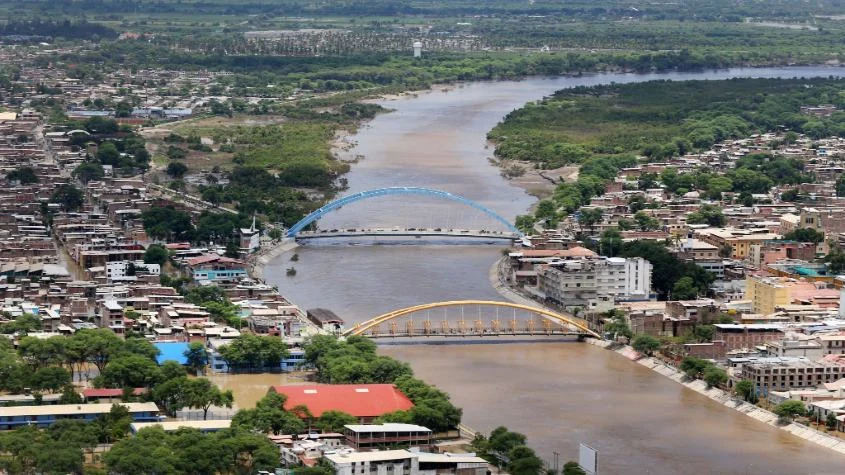
The logistical challenge is not merely about equipment; it is about the speed of deployment. With the rainy season approaching, the "window of opportunity" for physical mitigation works—such as the dredging and clearing of the Piura River—is closing.
According to official reports, there are several projects currently "on the shelf" that lack the necessary financing. These projects range from structural drainage improvements to long-term soil stabilization. The provincial government is actively pushing for the use of "Works for Taxes" (Obras por Impuestos) as a bridge financing mechanism. This would allow private companies to execute necessary public infrastructure projects in exchange for tax credits, a model that has shown potential in previous emergency cycles but requires the green light from the Ministry of Economy and Finance.
Official Responses and Strategic Leadership
Juan Francisco Cevallos, the Mayor of Piura and President of the Provincial Platform for Civil Defense, has taken a firm stance on the necessity of transparency and prioritization. During the meeting, he emphasized that the era of theoretical prevention has ended.
"We must be crystal clear at the provincial level about our needs and what we are going to present to the Ministry of Housing, Construction, and Sanitation," Cevallos stated. "Understanding that not all requests will be fulfilled, we must be as honest as possible and prioritize. There is no more time for prevention; we must mitigate and act as soon as possible."

This rhetoric underscores a frustration with bureaucratic delays. The goal is to present a unified, prioritized "Provincial Agenda" to the national government. By speaking with one voice, the provincial leaders hope to prevent the "fragmentation of demand," where individual districts compete for attention and resources, often resulting in inefficient allocation.
Furthermore, the municipality is in advanced talks with private sector entities regarding the desilting of the Piura River. The interest from the private sector is significant, but it is contingent on the regulatory certainty provided by the upcoming Decree of Urgency. The business community is hesitant to commit capital to massive earth-moving operations without the legal protections that this executive order would provide.
Implications: The High Stakes of the 2026-2027 Cycle
The implications of the current mobilization efforts extend far beyond the immediate mitigation of floodwaters. For the region of Piura, the 2026-2027 El Niño represents a litmus test for the effectiveness of decentralized governance in Peru.
1. The Economic Impact
Agriculture is the lifeblood of the Piura region. Disruptions caused by excessive rainfall—such as the destruction of irrigation canals, loss of crops, and the isolation of rural communities—would have a ripple effect on the national economy. The current efforts to secure infrastructure are, in effect, efforts to protect the regional GDP.
2. The Social Fabric
The "blind basins" are not just engineering challenges; they are lived realities for thousands of residents in areas like Veintiséis de Octubre and La Arena. Flooding in these zones often leads to the displacement of families, the destruction of health centers, and the spread of waterborne diseases. Proactive intervention is a public health necessity as much as a civil defense requirement.
3. Public-Private Cooperation
The reliance on "Works for Taxes" marks a maturing of the relationship between the state and the private sector in Piura. By leveraging the agility of the private sector, the local government hopes to bypass the notorious slowness of traditional public procurement. If successful, this could become a blueprint for how regions across Peru handle future climate-related emergencies.

4. Governance and Trust
The coordination between the municipal governments of Piura, Castilla, Cura Mori, Catacaos, and others is a rare display of regional unity. However, the success of this platform depends entirely on the response from the national Executive. If the requested Decree of Urgency is delayed, the credibility of the regional coordination will suffer, and the physical consequences could be catastrophic.
Conclusion
As the climate forecasts continue to project a challenging season, the province of Piura is clearly doing its homework. By identifying specific critical points, auditing its mechanical assets, and consolidating its project list, the provincial leadership has laid the groundwork for an organized response.
The focus now shifts to Lima. The ball is in the court of the Ministry of Housing and the central government. As Mayor Cevallos noted, the time for theoretical debate has passed. The success of the 2026-2027 mitigation effort will be measured not by the quality of the reports filed, but by the efficiency with which the machinery hits the ground and the effectiveness of the drainage systems when the first heavy rains arrive. For the people of Piura, this is not just a policy issue; it is a matter of survival and resilience in the face of an increasingly unpredictable climate.