The upcoming visit of Pope Leo XIV to Peru this November is being hailed as a transformative moment for the nation—not merely in the spiritual sense, but as a significant engine for economic revitalization. Beyond the traditional pilgrimage, experts view this event as a strategic opportunity to diversify Peru’s tourism portfolio, shifting the focus away from the long-standing monopoly of Lima and Cusco toward a more decentralized, nationwide network of cultural and religious attractions.
According to the World Religious Tourism Network, the visit offers a unique window to turn religious faith into a sustainable economic driver. With the right investment and infrastructure management, the impact could reach far beyond the immediate festivities, cementing Peru’s position as a premier destination for global travelers.
The Economic Multiplier Effect
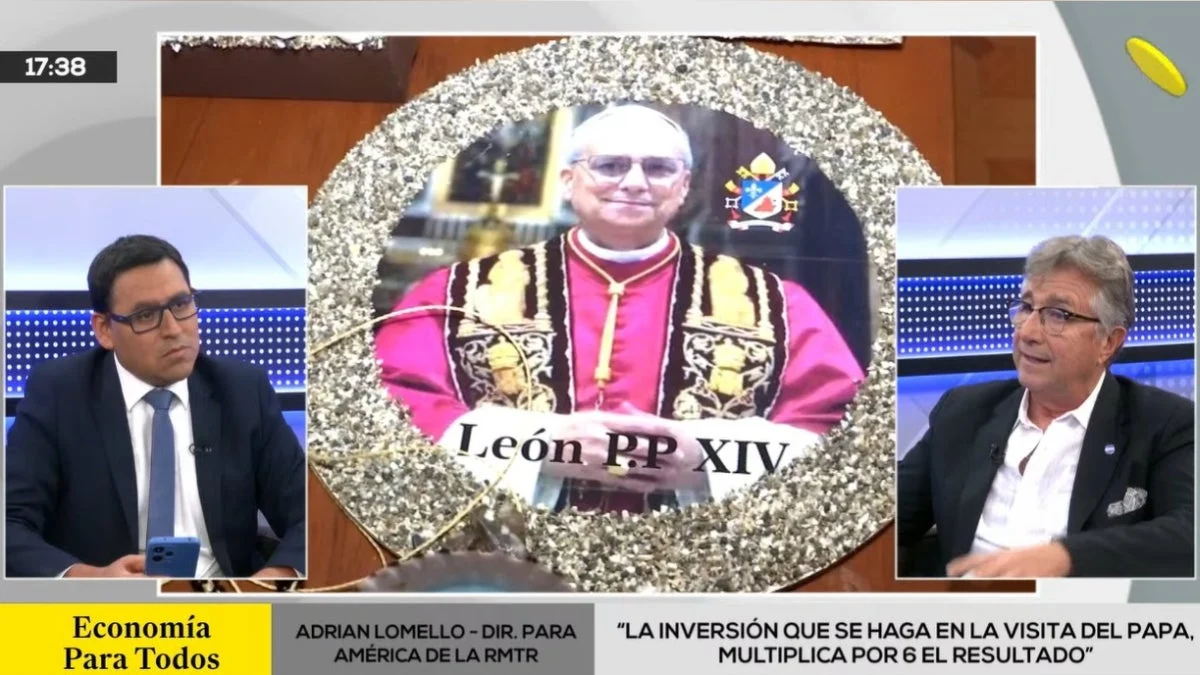
Adrián Lomello, Director for the Americas at the World Religious Tourism Network, recently emphasized on RPP’s Economía para Todos that the financial resources allocated to preparing for the papal visit are far from a simple expenditure. Instead, they represent a high-yield investment.
"The Pope’s visit is an incredibly interesting opportunity because the investment made typically multiplies by six," Lomello stated. He highlighted that international precedents consistently show a high return on investment (ROI) for major religious events. Drawing a comparison to Spain, he noted that a previous papal visit there involved a collaborative investment of approximately 25 million euros from the State, the private sector, and the Church. That investment ultimately generated a direct economic recovery of roughly 125 million euros.
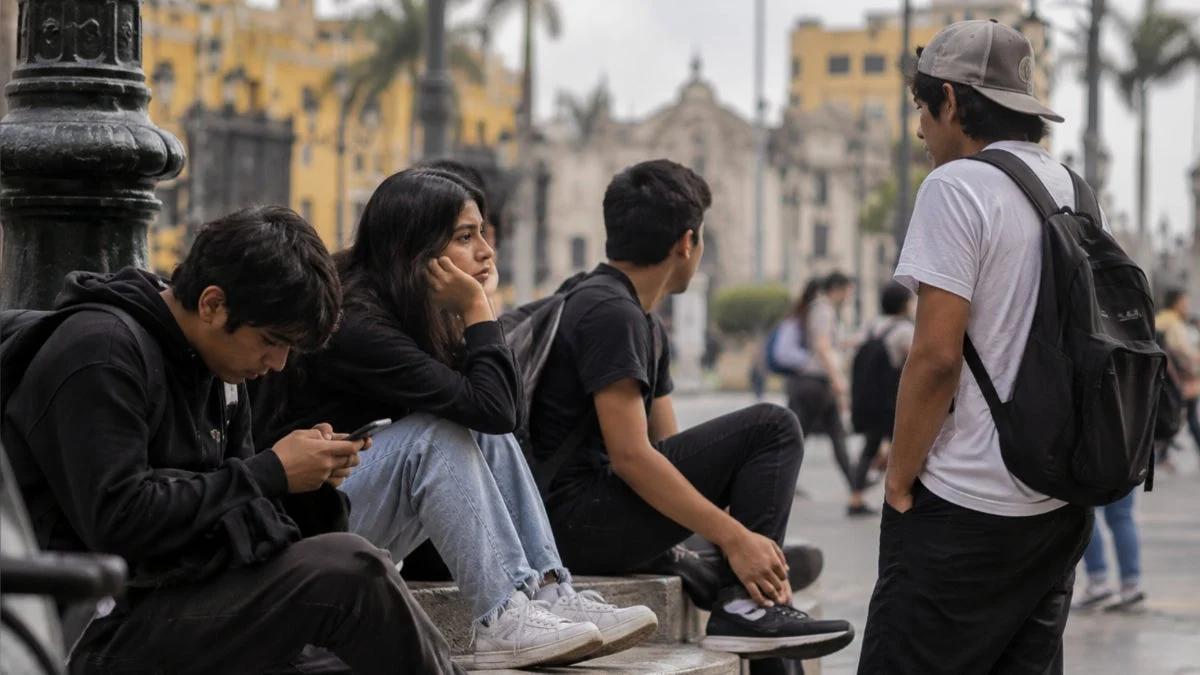
This multiplier effect is driven by increased hospitality bookings, local gastronomy demand, transportation services, and the branding power that such a high-profile international event provides. Beyond the direct monetary gain, Lomello pointed to the intangible benefits: international positioning, internal social cohesion, and the mobilization of youth, which revitalizes the cultural fabric of the host country.
Chronology of a Growing Movement
The journey toward leveraging religious tourism in Peru has been a gradual process, but one that has gained momentum in recent years.
- Pre-Pandemic Baseline: Before 2020, Peru relied heavily on the established circuits of Cusco and Lima. The religious segment remained a hidden gem, characterized by deep-rooted traditions like the Lord of the Miracles (Señor de los Milagros), but lacked the formal infrastructure to be marketed as a "product."
- Post-Pandemic Recovery: As the country struggles to regain pre-pandemic tourist levels, there is an urgent need for new value propositions. The post-2023 discussions among tourism authorities have focused on "diversification" as the primary keyword for economic recovery.
- The Announcement of the "Route of the Pope": Recently, the government and the Church initiated the development of the "Ruta del Papa" (The Route of the Pope). This path encompasses locations where Leo XIV developed significant pastoral work during his time in Peru.
- November 2026: The scheduled visit serves as the focal point for this initiative, acting as both a launchpad for the new route and a stress test for Peru’s ability to manage large-scale, high-intensity tourism events.
Global Context: The Power of Faith-Based Travel
Religious tourism is not a niche market; it is a global phenomenon. According to data provided by the World Religious Tourism Network, approximately 20% of all global travelers are motivated by faith-based destinations, amounting to roughly 400 million people annually.
In the Americas alone, there are estimated to be 80 million "spiritual tourists." In Peru, the flow of visitors motivated by religious or spiritual experiences is estimated to be around eight million per year, though this figure remains underutilized due to a lack of formal categorization and marketing.
Lomello argues that Peru possesses a distinct competitive advantage in this sector. The country is home to internationally recognized figures and saints, including Santa Rosa de Lima, San Martín de Porres, and Santo Toribio de Mogrovejo. These figures are not just icons of faith; they are historical markers that provide a rich narrative for international travelers interested in the history of the Americas.
Strategic Shift: Beyond the "Cusco and Lima" Trap
A central theme of the current tourism debate in Peru is the need to move beyond the traditional "Lima-Cusco" axis. While these destinations are globally iconic, the country’s tourism industry remains vulnerable to over-concentration.
"Peru must move out of the ‘Cusco and Lima trap’ because it has so many other extraordinary attractions," Lomello asserted. He argues that by investing in the "Route of the Pope," the country can distribute tourism revenue more equitably. This strategy involves identifying secondary cities and regions that hold religious significance, investing in their infrastructure, and motivating the private sector to develop hospitality services in these areas.
This shift would alleviate the pressure on major hubs and provide a more authentic experience for the traveler, who is increasingly seeking "off-the-beaten-path" destinations that offer deeper cultural immersion.
The Need for a Holistic Tourism Product
Creating a successful religious tourism destination requires more than just the presence of a church or a historical site. Lomello stresses that a site must be transformed into a "tourist experience." This requires:
- Thematic Routes: Curated itineraries that tell a cohesive story of the saint’s life or the region’s religious history.
- Infrastructure: Modernized museums, well-maintained historical centers, and accessible transit between sites.
- Guided Experiences: Professional storytelling provided by trained guides who can interpret the religious significance for both the faithful and the secular tourist.
- Digital Integration: Interactive apps and virtual tours that provide historical context in multiple languages.
For this to be successful, there must be a robust, tri-sector collaboration. The Church provides the moral and historical framework, the State provides the regulatory and infrastructure support, and the private sector provides the services—hotels, restaurants, and logistics.
Implications for the Future
The implications of Pope Leo XIV’s visit extend far beyond the immediate economic boost. If handled correctly, this event could act as a catalyst for long-term policy change in how Peru manages its cultural heritage.
The Challenge of Sustainability
The challenge lies in ensuring that the infrastructure built for the Pope’s visit remains functional and attractive long after his departure. This is where the concept of "Integrated Product Management" comes into play. By packaging religious sites as part of a larger, year-round itinerary, the government can ensure that the tourism sector experiences steady growth rather than a one-time spike.
Strengthening International Image
In a period where Peru is working to rebuild its reputation as a safe and attractive destination, the papal visit provides a "seal of approval." The global media coverage surrounding the visit will focus on the warmth, safety, and cultural richness of the country, potentially correcting negative perceptions lingering from past political instability.
Economic Resilience
By diversifying the tourist offer, Peru builds a more resilient economy. If one sector or destination faces an issue, the existence of a robust, nationwide religious tourism network provides a cushion, ensuring that the tourism industry continues to generate revenue even when traditional visitor flows are disrupted.
Final Reflections
As the nation prepares for the arrival of Pope Leo XIV in November, the focus is shifting from simple logistics to strategic vision. The visit is no longer seen as just a religious event to be hosted, but as an economic opportunity to be harnessed.
With the right balance of investment, inter-institutional cooperation, and a clear vision for the "Route of the Pope," Peru is positioned to unlock a significant, untapped portion of its economic potential. The goal is clear: to transform the deep, historical faith of the Peruvian people into a sustainable, modern, and inclusive tourism industry that benefits the entire nation, not just its most famous landmarks. The visit of the Pontiff is the spark; the resulting economic policy will be the fuel for a new era of Peruvian tourism.