By ProActivo Editorial Team
Peru stands at a precarious crossroads. As the global energy transition accelerates, the demand for critical minerals—specifically copper—has reached an all-time high. However, the nation’s ability to capitalize on this geological windfall is being severely hampered by institutional inertia, inefficient public spending, and a growing disconnect between state promises and community realities.
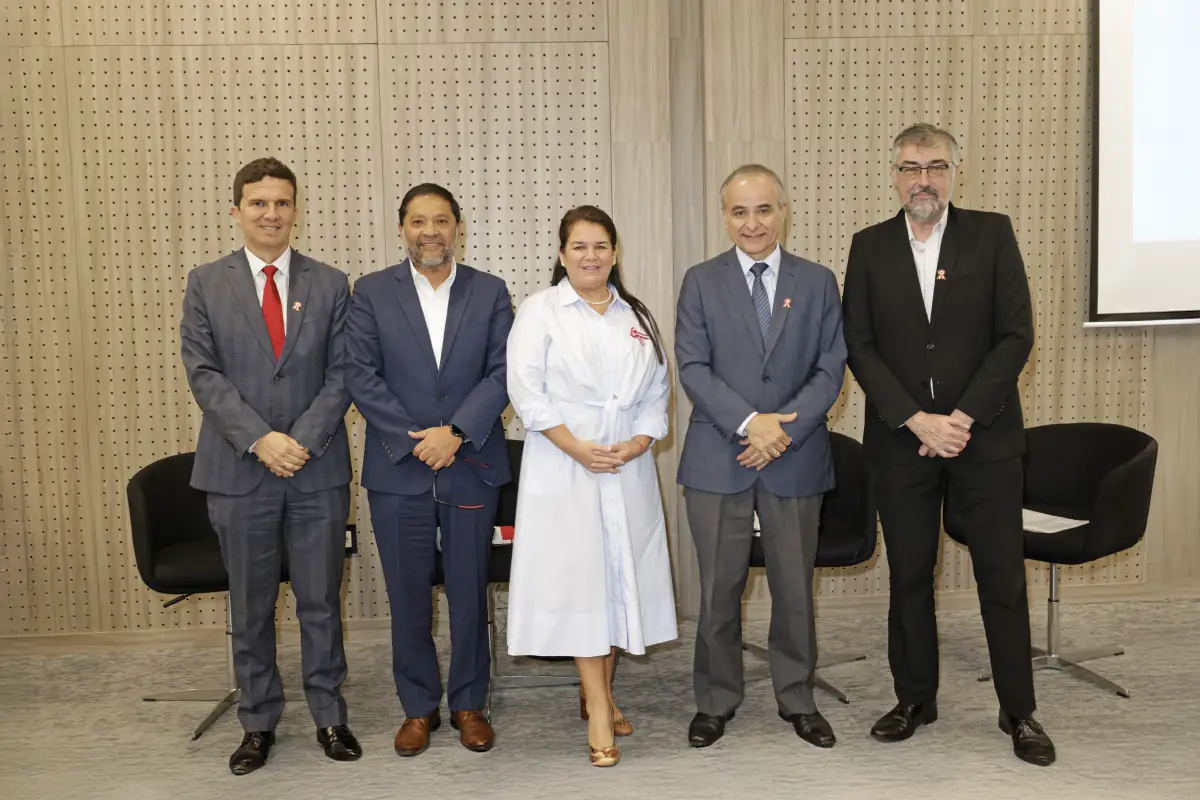
During the "Governance Session" at the prestigious Premios ProActivo 2026, a panel of industry experts and former high-ranking government officials gathered to address the urgent need for a paradigm shift in how Peru manages its mineral wealth. The consensus was clear: global market demand will not wait for local bureaucratic processes to mature. To transform subsoil resources into tangible, long-term progress for communities, Peru requires a radical modernization of its governance framework.
1. Main Facts: The Urgency of the Global Energy Transition
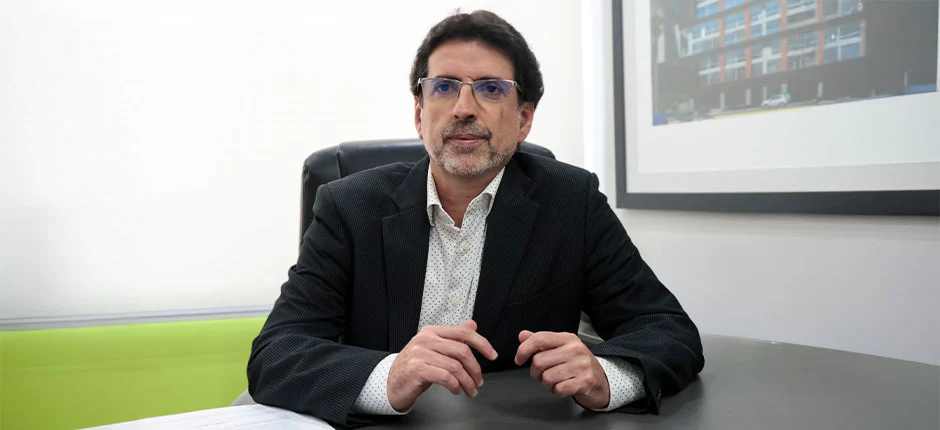
The session, moderated by independent mining consultant and attorney María Alejandra Delgado, served as a wake-up call for both public and private sectors. The core argument centered on the "time factor." Unlike previous commodity cycles, the current demand for copper is driven by a technological revolution—electric vehicles, renewable energy infrastructure, and digital transformation.
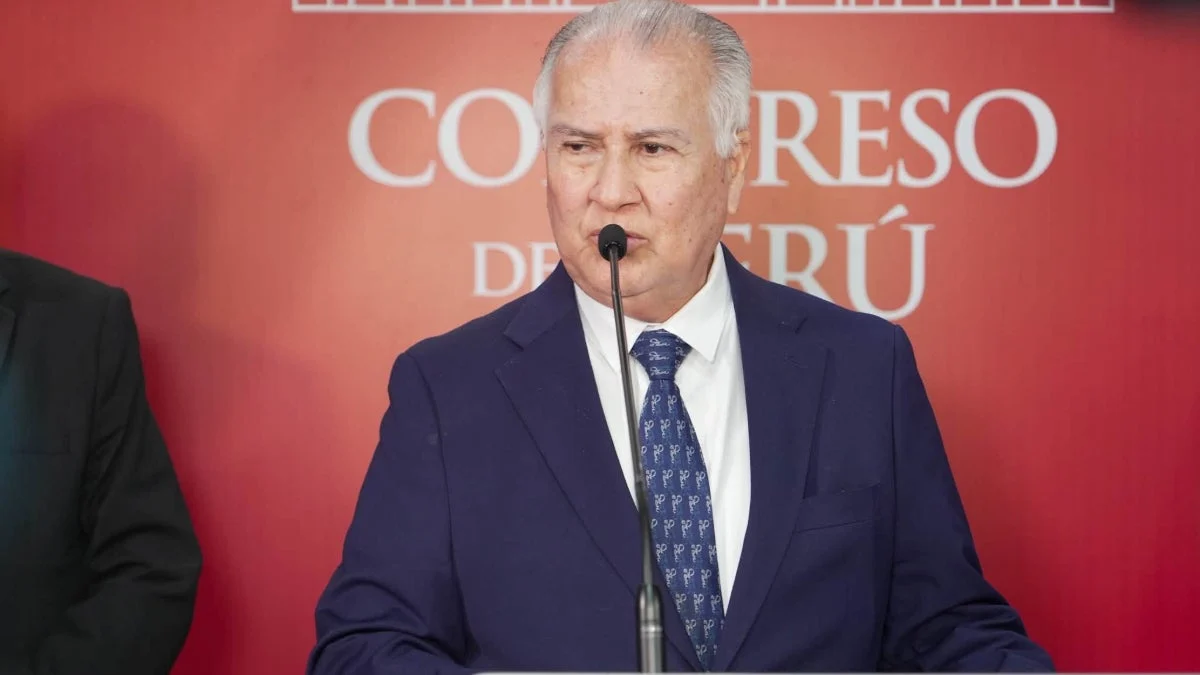
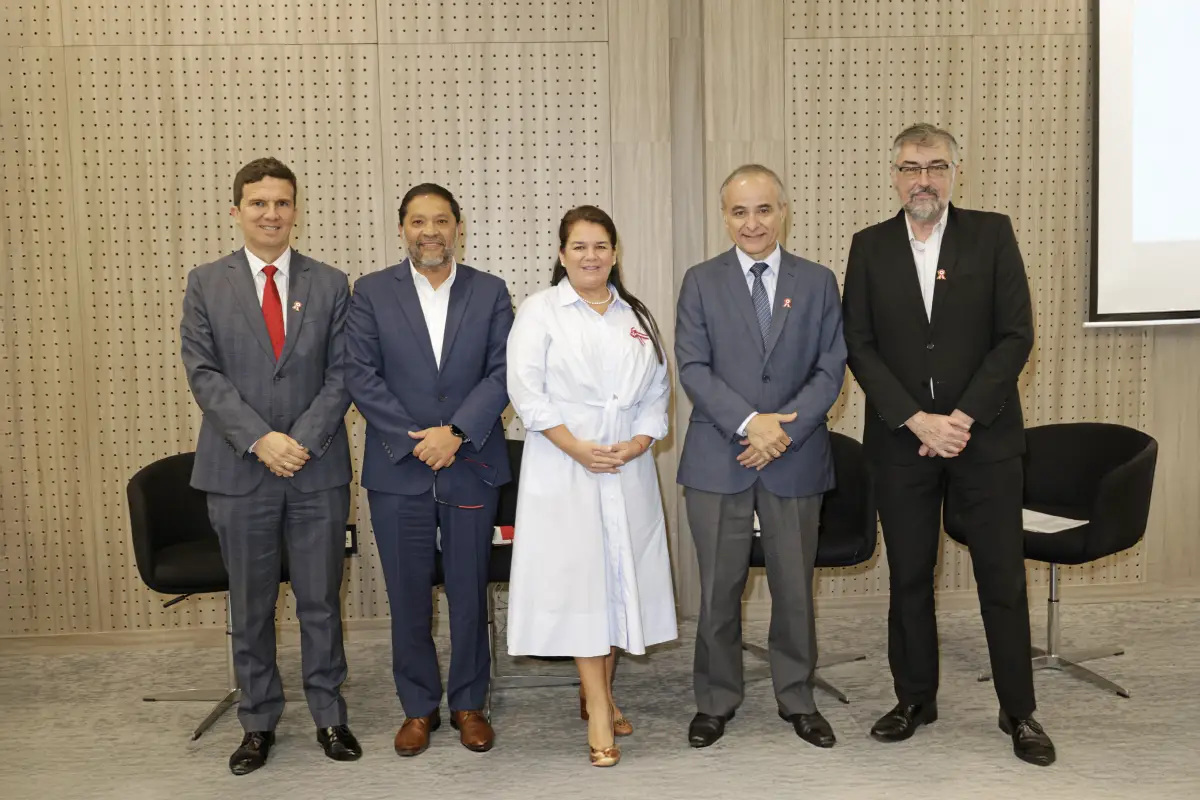
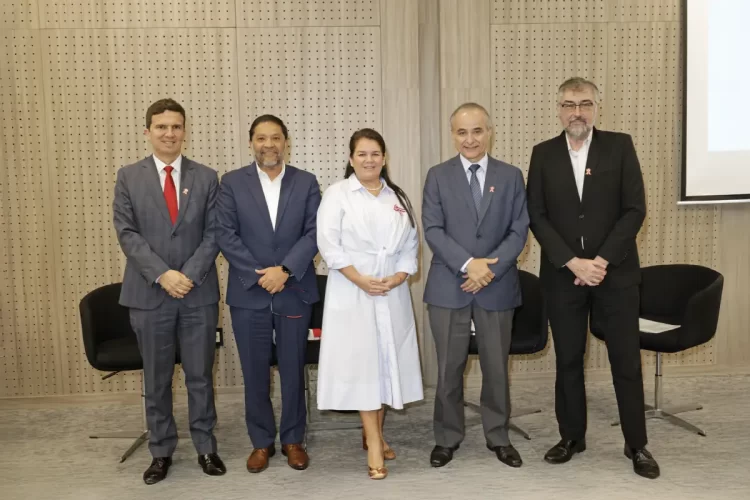
The panel featured Jorge Luis Montero, former Minister of Energy and Mines; Raúl Molina, former Vice Minister of Territorial Governance at the Presidency of the Council of Ministers (PCM); and Luis Alburqueque, Manager of Social Management at Kallpa Generación S.A. Together, they dissected the structural risks that threaten to turn Peru’s potential into a missed opportunity.
2. Chronology of a Stagnant System: The "18,000 Million Soles" Problem
To understand why development often fails to reach the communities surrounding mining projects, one must look at the data. Raúl Molina provided a sobering look at the "frozen" assets within the Peruvian public investment system.
According to Molina, there are currently 18,000 million soles in capital allocated for regional development that remain trapped in a cycle of administrative bureaucracy. This is not a lack of funds; it is a failure of execution.
- The 20-Year Loop: Molina noted that projects in mining-heavy provinces have been circulating through the public investment system for two decades.
- Resource Misallocation: Of the 18 billion soles, 13 billion are managed by the central and regional governments, while 5 billion fall under the purview of local governments.
- The "Study" Trap: Millions are spent annually on pre-investment studies, technical files, and tender processes that are either frustrated or abandoned.
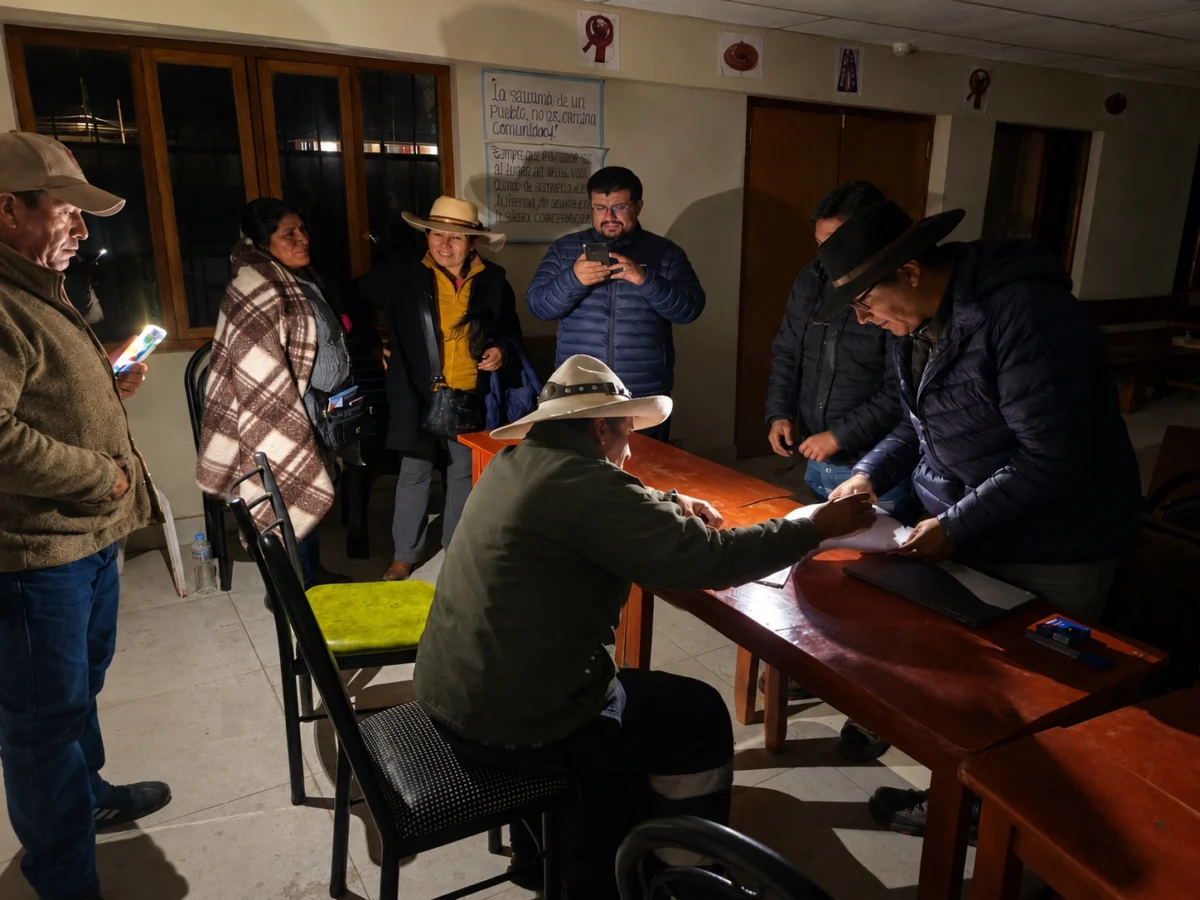
This cycle of inefficiency, where funds are perpetually tied up in paperwork rather than physical infrastructure, has led to a collapse in local trust. When communities see wealth being generated from their land, yet observe no improvement in water, electricity, or healthcare, the result is predictable: escalating social conflict.
3. Supporting Data: The Copper "Cliff"
The most provocative insight of the session came from former Minister Jorge Luis Montero, who challenged the industry’s comfort with the current price of copper. He cautioned that the "copper fever" is not a permanent state of affairs.
"The copper fever is not just beginning; it is reaching its end," Montero argued. "In 10 years, there will be no recyclers left to fill the gap. When the copper supply crunch hits, do you think the big tech companies are going to stop and cry because there isn’t enough copper? No, they will simply substitute it."
This warning serves as a structural indictment of Peru’s "business as usual" approach. The technological advancements currently fueling copper demand are simultaneously driving research into alternative materials. If Peru fails to streamline its permitting and development processes within the next decade, it risks being left with stranded assets in a market that has moved on to synthetic or alternative solutions.
4. Official Perspectives and Critical Analysis
The Role of Social Management (Luis Alburqueque)
Luis Alburqueque, representing the private sector perspective through Kallpa Generación S.A., highlighted the erosion of trust caused by the state’s inability to deliver on its commitments.
"We organize thousands of dialogue tables and hundreds of forums, but the commitments made by the state are often what aggravate social conflict," Alburqueque noted. "There is no follow-up. There is no internal articulation within the state to ensure that what is promised during negotiations is actually delivered."
This lack of "trazabilidad" (traceability) in government commitments means that mining companies often bear the brunt of local anger, even when the failure lies with regional or central administrative bodies.
The Call for a Sovereign Fund (Raúl Molina)
Proposing a path forward, Molina suggested a radical shift in how the canon (mining tax revenue) is handled. He advocated for a portion of the canon to be redirected into a Sovereign Wealth Fund.
"If a portion of that canon from these provinces were to be placed into a sovereign fund that we could capitalize in the international market over 30 or 40 years, we might finally have the capital to build the infrastructure that lasts—like high-speed railways or regional networks," he proposed. By moving away from short-term, small-scale spending that disappears into the bureaucracy, Peru could secure long-term, intergenerational wealth.
5. Implications: Redefining the State’s Role
The session concluded with a powerful reminder from moderator María Alejandra Delgado regarding the fundamental nature of the State.
"The State is not a wealth generator; the State is an administrator of the wealth produced by the private sector," Delgado emphasized. "This is not ‘government money.’ It is the money of the taxpayers. If we exercise our citizenship, we can hold them accountable."
Key Takeaways for Future Governance:
- Shift from Process to Outcome: The current system rewards the completion of administrative steps (tenders, studies) rather than the completion of physical projects (schools, hospitals, roads).
- Urgency as Policy: Policymakers must treat the mining window as a finite resource. Regulatory simplification is not a favor to the mining industry; it is a necessity for the national economy.
- Institutional Trazabilidad: Any commitment made by the government in a social dialogue must be tracked via a public, transparent digital system to prevent the "promise-forget" cycle that fuels conflict.
- Long-term Financial Planning: Utilizing the sovereign wealth model could protect mineral revenues from the volatility of local political cycles, ensuring that wealth is preserved for future infrastructure development.
Conclusion: A Call to Action
The Premios ProActivo 2026 Governance Session made one point abundantly clear: Peru’s mining industry is currently hampered by an archaic administrative structure that treats wealth as a bottomless, eternal well. The reality of the global market is far harsher.
To remain competitive and, more importantly, to ensure that the citizens of Peru benefit from their own natural resources, the government must move toward a model of efficiency and accountability. The transition to a greener global economy provides a historic window for development, but that window is closing. Without the modernization of the state, the institutional paralysis that currently plagues the nation will remain the greatest obstacle to its own prosperity.
As the panel concluded, the path forward is not found in more meetings, but in better governance—where roles are clearly defined, public funds are treated as precious assets rather than bureaucratic fuel, and the state acts as an efficient partner rather than an obstacle to progress.