The retail giant confirms its expansion into the Maule Region, setting a July 2026 launch date for its newest department store, a move expected to revitalize the local economy and redefine the shopping landscape of the Maule Sur province.
The Core Announcement: Expanding the Retail Horizon
Falabella, the multinational department store chain, has officially announced its plans to expand its physical footprint in Chile with the opening of a brand-new, flagship-style location in the city of Linares, located in the Maule Region. Scheduled for completion and public opening in July 2026, the project is a cornerstone of the company’s broader strategy to bridge the gap between its expansive digital catalog and its physical store network.
By establishing a presence in Linares, Falabella aims to significantly reduce the travel distances currently faced by local consumers who, until now, have had to commute to Talca or Curicó to access the brand’s comprehensive range of products. This expansion is not merely a commercial maneuver; it is a calculated effort to solidify the company’s dominance in high-potential, mid-sized urban centers, ensuring that the brand remains accessible as the retail environment shifts toward an omnichannel experience.
Chronology of the Development
The path to this opening has been a meticulous process of site selection and infrastructure development. The project, which was confirmed by the regional management of Tiendas Falabella and reported by the local outlet El Heraldo, follows a long-standing demand from the Linares community for greater access to major retail chains.
- Initial Planning and Site Selection: The decision to occupy the site formerly held by the retailer Corona was driven by the location’s high foot traffic and strategic positioning at the intersection of Independencia and Lautaro streets. This location serves as the beating heart of the city’s commercial district.
- Renovation Phase (2025–2026): Currently, the building is undergoing an extensive structural and aesthetic overhaul. To meet Falabella’s international retail standards, the facility is being reconfigured to optimize floor space, lighting, and customer navigation.
- The 2026 Milestone: With an anticipated opening in July 2026, the company is adhering to a rigorous construction timeline, ensuring that all safety and operational certifications are secured well in advance of the grand opening ceremony.
- Integration: This site will mark the third major Falabella location in the Maule Region, creating a cohesive network that spans the region’s most important economic hubs.
Supporting Data and Strategic Context
Falabella’s investment in Linares is part of a much larger, global financial roadmap. For the current fiscal cycle, the company has earmarked approximately US$ 900 million for regional development. This capital expenditure is specifically targeted at strengthening its "physical-digital" ecosystem.
In the modern retail landscape, physical stores are no longer just points of sale; they function as logistics hubs, customer service centers, and showrooms. By investing in a high-traffic urban center like Linares, Falabella is leveraging the "halo effect," where the presence of a physical store increases local brand awareness and boosts digital sales within the surrounding area.
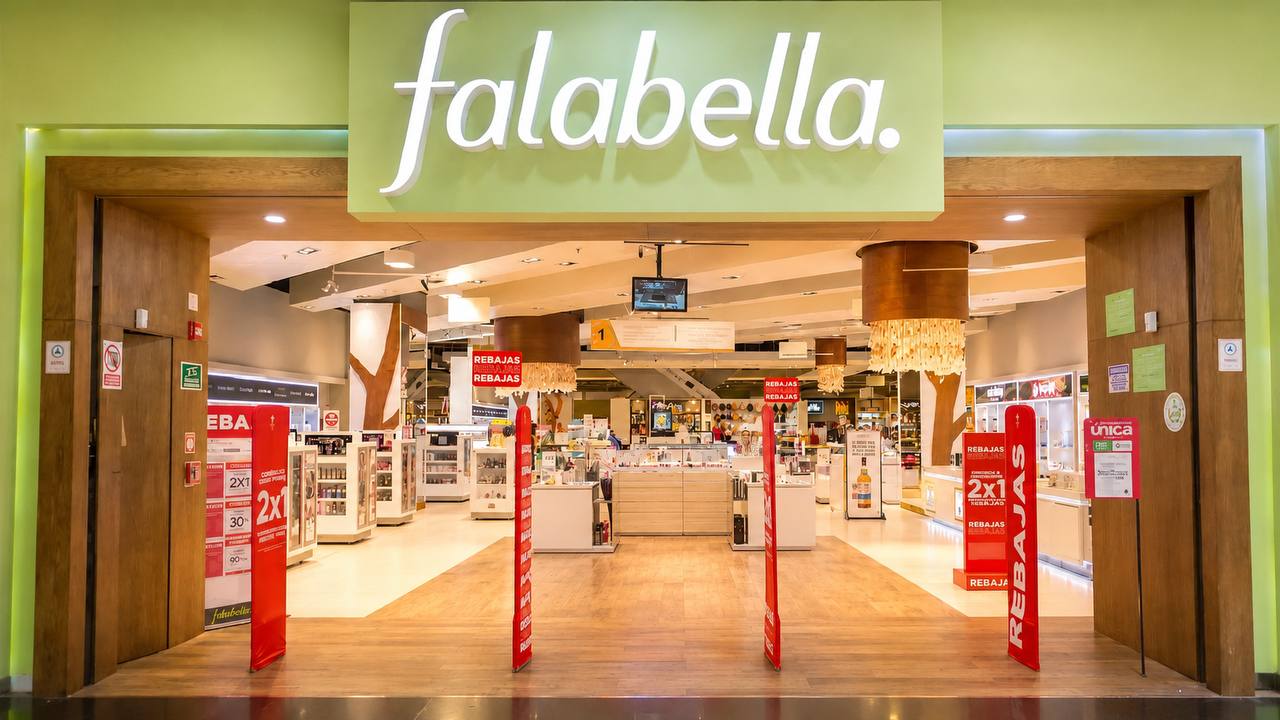
Financial analysts observe that this move is a defensive and offensive play aimed at maintaining market share amidst intense competition. While other retail giants like Cencosud and SMU face shifting market conditions, Falabella’s focus on the Maule region demonstrates a commitment to long-term regional growth rather than short-term austerity.
Official Responses and Community Engagement
The reception from local authorities has been overwhelmingly positive. The municipal government of Linares has praised the project, characterizing it as a vote of confidence in the city’s economic vitality.
"The arrival of Falabella is not just about a store; it is about the consolidation of Linares as the commercial epicenter of the Maule Sur," noted a municipal spokesperson. The city has worked closely with the store’s management to facilitate the necessary permits and infrastructure improvements.
Perhaps most importantly, the project has prioritized the local labor market. The recruitment process was managed in coordination with the Municipal Office of Labor Intermediation (OMIL) of Linares. This partnership ensured that the job openings—ranging from retail floor staff and administrative support to logistics and security personnel—were filled primarily by local residents. This approach has mitigated potential friction regarding the influx of large-scale retail and has instead fostered a sense of community ownership over the project.
Economic Implications for the Region
The ripple effects of this investment are expected to be substantial. The economic impact can be categorized into three primary areas:
- Stimulation of Local Consumption: The presence of a major department store usually acts as an anchor for other businesses. Smaller retail outlets, coffee shops, and service providers in the vicinity of the Independencia and Lautaro intersection are expected to see increased traffic as shoppers travel to the city center specifically to visit the new Falabella.
- Modernization of the Retail Environment: The renovation of the former Corona site is upgrading the physical infrastructure of the downtown area. This improvement in the urban aesthetic and functionality is likely to encourage further private investment in the surrounding blocks.
- Employment and Skill Development: Beyond the direct jobs created, the training programs implemented by Falabella for its new staff introduce international retail standards to the local workforce. These skills are transferable and contribute to the overall professionalization of the local service sector.
Addressing Challenges and Future Outlook
While the project is widely celebrated, it is not without its complexities. The retail sector in Chile has faced recent challenges, including fluctuating consumer sentiment and regulatory scrutiny. For instance, reports regarding customer service complaints at other branches—such as those involving Banco Falabella—highlight the constant pressure the company faces to maintain high standards of service and legal compliance.
To address these, the company has emphasized that the Linares store will implement the latest in customer experience technology, including integrated digital kiosks for stock checking, streamlined return processes, and enhanced security protocols. By focusing on a "frictionless" shopping experience, Falabella hopes to differentiate its new store from its competitors.
Conclusion: A New Era for Linares
As the calendar inches closer to July 2026, the anticipation in Linares continues to grow. The project represents a symbiotic relationship between a major corporate entity and a growing regional city. By anchoring its operations in the historic center, Falabella is betting on the resilience of brick-and-mortar retail and the specific potential of the Maule Region.
For the residents of Linares, the new store promises a more convenient, modern, and comprehensive shopping experience. For Falabella, it represents a crucial link in its regional strategy, a testament to its agility, and a clear signal that the company remains committed to expanding its physical footprint even in an increasingly digital world. As the grand opening approaches, the company plans to release details regarding a formal inauguration, which will serve as the official milestone for this significant commercial advancement in southern Chile.
This expansion is more than just a store opening; it is a declaration of confidence in the future of the region and a blueprint for how legacy retailers can successfully adapt to the evolving demands of the 21st-century consumer.