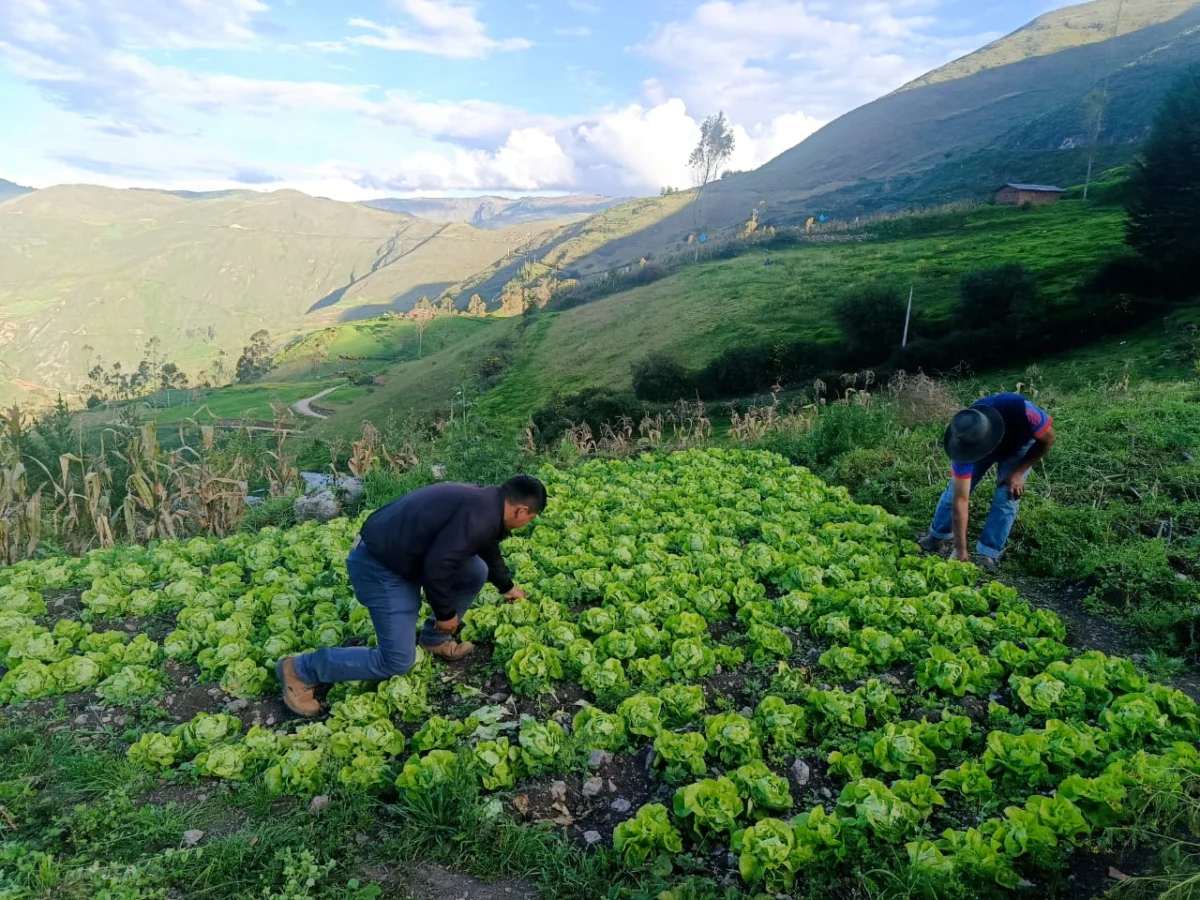
The rugged landscape of the Apurímac region in the Peruvian Andes, long characterized by its geographical isolation and socio-economic challenges, is witnessing a profound transformation. At the heart of this change lies "Haku Wiñay" (a Quechua phrase meaning "Let’s Grow"), a flagship initiative by the Cooperation Fund for Social Development (Foncodes), a specialized program under the Ministry of Development and Social Inclusion (Midis).
With an investment exceeding 33 million soles, the project is not merely providing aid; it is systematically restructuring the economic fabric of rural communities. By focusing on sustainable production, financial literacy, and the formalization of rural businesses, the initiative is effectively bridging the gap between subsistence farming and market-oriented entrepreneurship for over 5,500 families.
The Core Pillars of Haku Wiñay
The Haku Wiñay intervention is designed as a three-year holistic support program. Unlike traditional welfare initiatives that often offer temporary relief, this project seeks to build long-term resilience through four primary strategic pillars:
1. Strengthening Family Production Systems
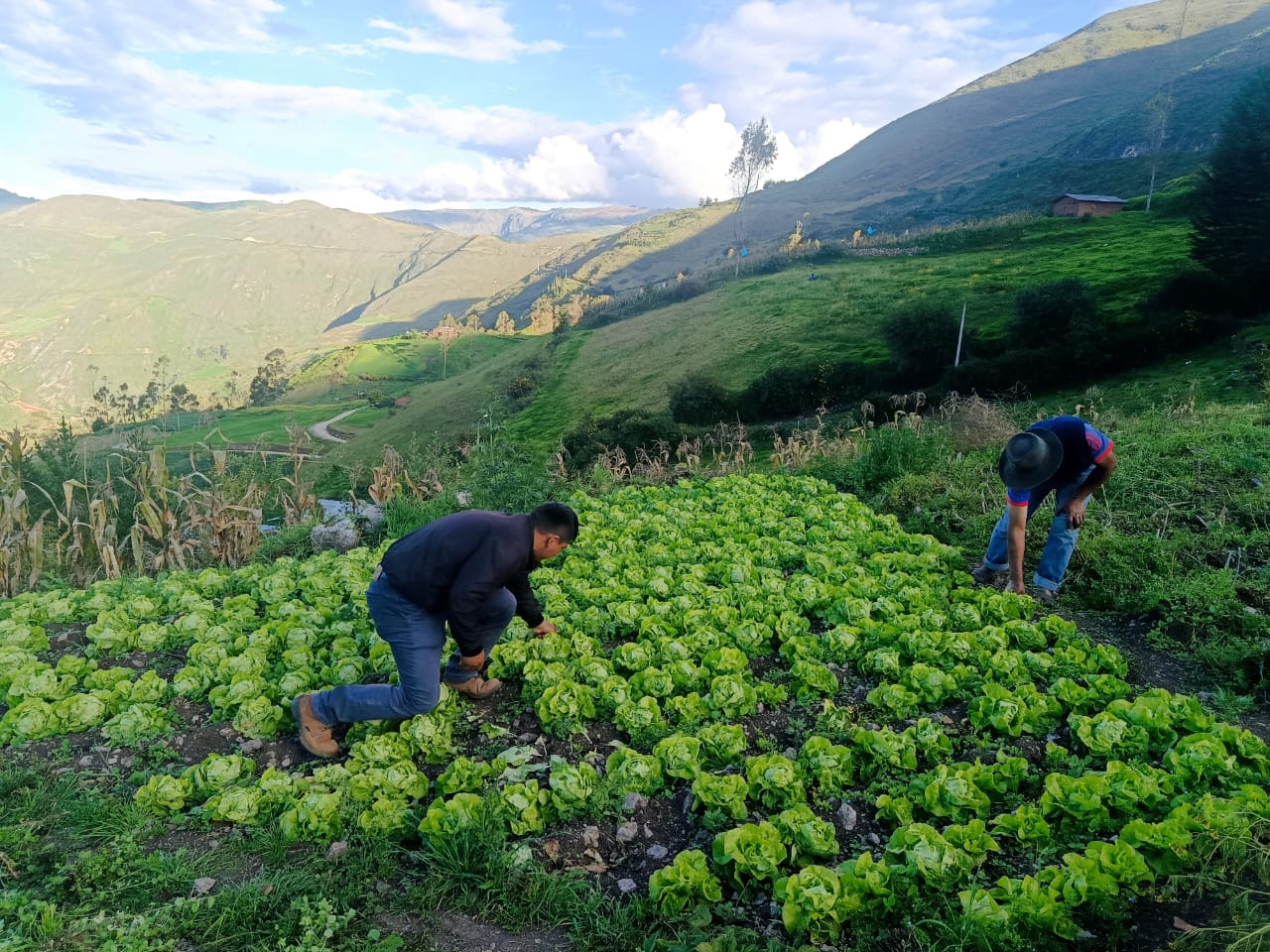
The foundation of the project is the improvement of agricultural practices. By providing technical assistance and modernizing production methods, Foncodes helps families transition from basic survival agriculture to high-yield, diversified food production. This includes irrigation improvements, soil management, and the cultivation of organic vegetables, as seen in the successful pilot programs in the district of Cotahuacho.
2. Improving Healthy Housing (Vivienda Saludable)
Recognizing that economic growth is impossible without basic well-being, the project funds improvements to rural homes. This encompasses the installation of "improved stoves" (cocinas mejoradas) that reduce respiratory illnesses caused by smoke inhalation, as well as access to clean water systems and safe waste disposal, significantly raising the standard of living for participating households.
3. Fostering Sustainable Business Ecosystems
The project moves beyond the farm gate. It identifies and supports "Inclusive Rural Businesses" (Negocios Rurales Inclusivos). By organizing families into "Execution Nuclei," the project empowers them to manage their own resources, apply for co-financing, and scale their local products to reach regional markets.
4. Financial Literacy and Capability Building
Many rural households in Apurímac have historically lacked access to formal financial systems. Through Haku Wiñay, beneficiaries receive training in basic accounting, business management, and the use of financial tools, ensuring that their newfound economic activity is sustainable over the long term.
A Chronology of Progress: From Inception to Scale
The success of the Haku Wiñay project in Apurímac is the result of a phased, community-led implementation strategy.
- Phase 1: Diagnosis and Organization: The project begins by mapping the needs of the most vulnerable districts. Local leaders and community members form "Execution Nuclei," ensuring that the project is not "top-down" but rather a collaborative effort between the state and the people.
- Phase 2: Capacity Building and Asset Transfer: Over the first 12 months, the focus is on training. Families are introduced to new agricultural techniques and the concept of business management. Simultaneously, the program transfers productive assets—such as tools, seeds, and specialized equipment—necessary to start their enterprises.
- Phase 3: Competitive Co-financing: During the second and third years, the project initiates "Business Profile Contests." These are competitive events where groups of families present their business plans. Winners receive non-reimbursable funds to purchase equipment, hire specialized consultants, and gain access to wider supply chains.
- Phase 4: Consolidation and Market Access: The final phase focuses on ensuring that these 183 businesses can survive without external intervention, integrating them into regional trade networks and ensuring that the initial investment generates a self-sustaining cycle of wealth.
Supporting Data: By the Numbers
The scale of the intervention in Apurímac is substantial, reflecting the government’s commitment to reducing extreme poverty in the region.
- Financial Investment: 33 million soles invested by Foncodes.
- Reach: 5,500 families across 14 distinct districts.
- Economic Impact: 183 established, active rural businesses.
- Synergetic Projects:
- Mi Emprendimiento Mujer: A dedicated initiative supporting 80 female leaders managing common kitchens and soup kitchens in the district of Tamburco, with an investment of 470,000 soles.
- MACA Infrastructure: The Mantenimiento, Acondicionamiento y Equipamiento de Cocinas y Almacenes (MACA) project, which renovated 14 school kitchens and warehouses across Abancay, Andahuaylas, San Jerónimo, and Talavera, with an investment of 1,868,612 soles.
These figures illustrate a multi-faceted approach where nutrition, education infrastructure, and economic empowerment converge to create a comprehensive development strategy.
Official Perspectives: Commitment to Sustainability
Washington Orihuela Palomino, the head of the Foncodes Territorial Unit in Apurímac, recently spoke on behalf of the Ministry of Development and Social Inclusion. He emphasized that the "medium-term intervention" model is the most effective way to break the cycle of poverty.
"Our goal is not just to transfer money, but to transfer knowledge and the capacity for self-governance," Orihuela stated. "When we provide a family with the technical training to run a business, we are providing them with an asset that cannot be taken away. By integrating financial education with direct support for the ‘Mi Emprendimiento Mujer’ program, we are targeting the most crucial social nodes in our communities—our mothers and household leaders."
Orihuela highlighted that the completion of the MACA projects in school infrastructure is a critical component of the broader vision. "By ensuring that children have access to nutritious food prepared in clean, well-equipped kitchens, we are securing the health of the next generation, which is the ultimate goal of any social inclusion strategy."
Implications: The Future of Rural Apurímac
The Haku Wiñay project serves as a microcosm for the potential of rural development in Peru. Its success rests on three fundamental lessons that could inform future policy:
1. The Power of Local Agency
By utilizing "Execution Nuclei," the government acknowledges that local communities know their needs best. This participatory approach increases the project’s legitimacy and ensures that the infrastructure provided is actually used and maintained by the local population.
2. Diversification as a Defense
The project encourages farmers to move away from monocultures. By promoting the production of diverse hortalizas (vegetables) and creating small-scale businesses (ranging from textile production to artisanal food processing), communities become less vulnerable to market fluctuations and climate-related crop failures.
3. Integrating Women into the Economic Fold
The specific focus on the "Mi Emprendimiento Mujer" program is a recognition that women are the backbone of rural social stability. By providing them with the resources to professionalize their community-based food services, Foncodes is fostering a level of economic autonomy that has historically been denied to women in these regions.
4. A Model for Public-Private Synergy
While Foncodes leads the charge, the success of these initiatives often relies on the cooperation of local governments and regional stakeholders. The model provides a blueprint for how state funds can be effectively channeled through municipal partnerships to ensure projects like the MACA school kitchen upgrades reach the most remote schools in the Andes.
Conclusion
As the Haku Wiñay project continues to mature in Apurímac, it stands as a testament to the idea that development is a long-term commitment. By focusing on the intersection of human capital, physical infrastructure, and market integration, the Ministry of Development and Social Inclusion is not just providing a safety net—it is building a ladder.
For the 5,500 families in the 14 districts currently involved, the change is palpable. Whether it is through a new, efficient stove, a flourishing vegetable garden, or a small, formal business that provides a steady income, the residents of Apurímac are moving toward a future defined by growth, dignity, and independence. The "Haku Wiñay" project is, in every sense of its name, helping rural Peruvians grow.