The Central Reserve Bank of Peru (BCRP) has officially announced the extension of its ambitious digital currency pilot program until March 10, 2027. This decision, aimed at evaluating the feasibility of a state-issued virtual currency as a cornerstone of the national payment system, follows a year of unprecedented growth. By leveraging the BiPay platform—developed by telecommunications giant Bitel—the BCRP is testing whether a central bank digital currency (CBDC) can bridge the persistent gap in financial inclusion that has historically hindered economic development in Peru’s most remote regions.
The extension represents a strategic pivot. After the initial assessment phase concluded in March 2026, the BCRP’s board determined that the pilot had reached a critical mass of users and transactional data, necessitating further analysis to ensure the long-term stability and security of such a system before any potential national rollout.
The Core Concept: Redefining the Sol in the Digital Age
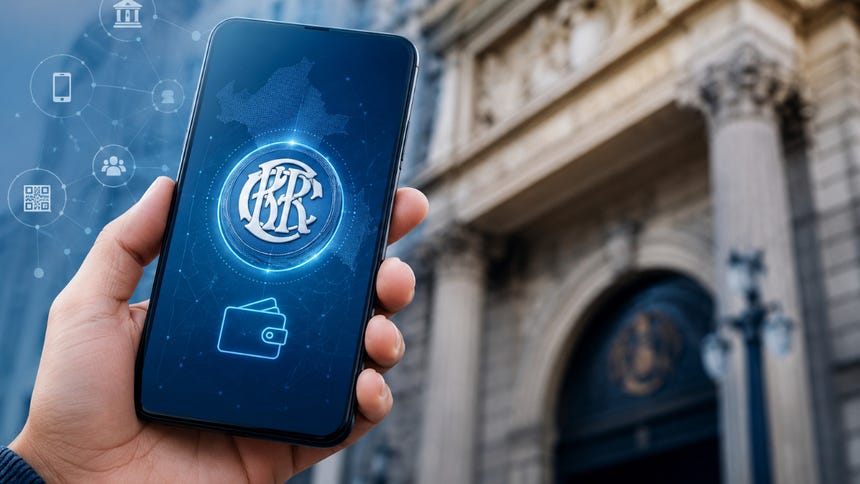
At its heart, the BCRP’s digital currency is a virtual representation of the Peruvian Sol, issued directly by the country’s central monetary authority. Unlike standard digital wallets—which often facilitate transfers between existing bank accounts or represent "e-money" backed by private commercial entities—the BCRP’s digital currency operates on a distinct foundation.
By utilizing BiPay, the BCRP is exploring a model where non-financial institutions, specifically telecommunications companies, act as the bridge to provide financial services to the "unbanked." In many parts of rural Peru, access to traditional brick-and-mortar banking is either geographically impossible or prohibitively expensive. By placing the power of the central bank directly into a smartphone interface accessible through a telecom provider, the BCRP aims to bypass traditional banking infrastructure, offering a secure, low-friction, and government-backed medium of exchange.
Chronology: A Trajectory of Rapid Expansion
The timeline of the pilot reflects a swift transition from a niche experimental tool to a vital component of local commerce.
- October 2024: The pilot reaches its baseline maturity, establishing the initial framework for tracking user behavior and transaction volumes.
- March 2026: The official conclusion of the first annual evaluation phase. Data indicates a massive surge in both user acquisition and active engagement.
- March 10, 2026: Commencement of the extended pilot phase. The BCRP authorizes an additional year of operations to refine the regulatory and technical infrastructure.
- March 10, 2027: The final deadline for the current pilot extension, after which the BCRP is expected to provide a definitive recommendation on the permanent implementation of the digital currency.
Supporting Data: By the Numbers
The success of the pilot is not merely anecdotal; the quantitative data provided by the BCRP illustrates a profound change in consumer behavior.
User Growth and Engagement
As of March 2026, BiPay recorded 4.78 million users, representing a staggering 429% increase since the October 2024 baseline. Even more telling is the surge in "active users"—defined as those who performed at least one transaction per month. This metric skyrocketed by 983%, growing from 31,314 users in October 2024 to 339,217 by March 2026.
Regional Impact
The most significant gains occurred in eight regions historically characterized by low financial inclusion: San Martín, Ayacucho, Huánuco, Apurímac, Ucayali, Cajamarca, Puno, and Madre de Dios. In these areas, the number of users grew by 509%, proving that the digital currency model is particularly effective in addressing the needs of underserved populations.
Transactional Velocity
Total transactions since October 2024 have surpassed 21 million. On a national scale, the average daily volume of transactions jumped from 17,000 to 63,600. In the prioritized low-inclusion regions, the daily transaction volume increased fourfold, rising from 4,800 to 19,200.
The Shift from Cash
One of the most vital objectives of the BCRP is the reduction of cash reliance. By March 2026, 16% of all recharges into BiPay wallets nationwide were performed using cash, a figure that rose to 20% in rural, low-bancarization regions. Furthermore, the average value of individual transfers has been decreasing. For the BCRP, this is a positive indicator; it suggests that citizens are moving away from using the digital wallet for infrequent, large transactions and are instead adopting it for daily, low-value retail payments—the traditional domain of physical cash.
Official Responses and Strategic Rationale
The BCRP’s decision to extend the pilot is rooted in a cautious, evidence-based approach. The bank’s leadership has emphasized that the primary goal is not simply to digitize money, but to modernize the Peruvian payment ecosystem.
"The goal is to consolidate this model as a permanent tool for financial inclusion," a spokesperson for the BCRP noted in their latest report. By extending the pilot for another year, the bank seeks to answer critical questions regarding:
- Systemic Resilience: How the platform handles spikes in traffic during economic cycles.
- Regulatory Harmony: Ensuring that the integration of telecommunications firms does not compromise the security or monetary policy goals of the central bank.
- Consumer Trust: Evaluating whether the current growth trajectory is sustainable or if it requires further institutional safeguards.
The involvement of Bitel has been instrumental. By utilizing the existing telecom infrastructure—which reaches deeper into rural territory than any bank branch—the BCRP has effectively turned mobile signal towers into nodes of the financial system.
Broader Implications: The Future of the Sol
The implications of this pilot extend far beyond the borders of Peru. Many central banks globally are currently exploring CBDCs, but few have integrated them so successfully into the daily habits of rural, unbanked populations.
Modernizing the Payment Infrastructure
If the digital Sol proves successful, it could drastically reduce the costs associated with physical currency management, such as the printing, transporting, and securing of physical bills. This cost saving, coupled with the increased transparency of digital transactions, could lead to a more efficient national economy.
Empowering the Unbanked
For millions of Peruvians, this digital currency represents the first step toward the formal economy. By having a digital record of transactions, users may eventually qualify for formal credit, insurance, or other financial services that were previously out of reach. The "formalization" of these transactions is a key driver for the BCRP, as it helps bring more economic activity into the light, potentially expanding the national tax base and providing better data for economic policy planning.
A Model for Emerging Economies
Peru’s experiment is being watched closely by other emerging markets. The ability to use a non-financial institution (a telecom company) as the distribution channel for a sovereign digital currency offers a blueprint for nations with similar geographical and social challenges.
Conclusion: A Critical Year Ahead
The period between March 2026 and March 2027 will be a defining chapter for the BCRP. With nearly 5 million users already on board, the project is moving past its "proof of concept" phase and into a "proof of durability" phase. The challenge now lies in ensuring that as the user base continues to grow, the infrastructure remains robust and the benefits of the digital currency reach those who need it most—the small merchants and rural families who are the backbone of Peru’s economy.
If the momentum of the last 18 months continues, the BCRP’s initiative could very well mark the beginning of the end for the "cash-only" economy in Peru, setting a new standard for financial inclusion in the 21st century. As the pilot enters its final year, the focus will undoubtedly shift from "can it be done?" to "how can it be scaled permanently?" The world, and the Peruvian people, await the result of this digital transformation with keen interest.