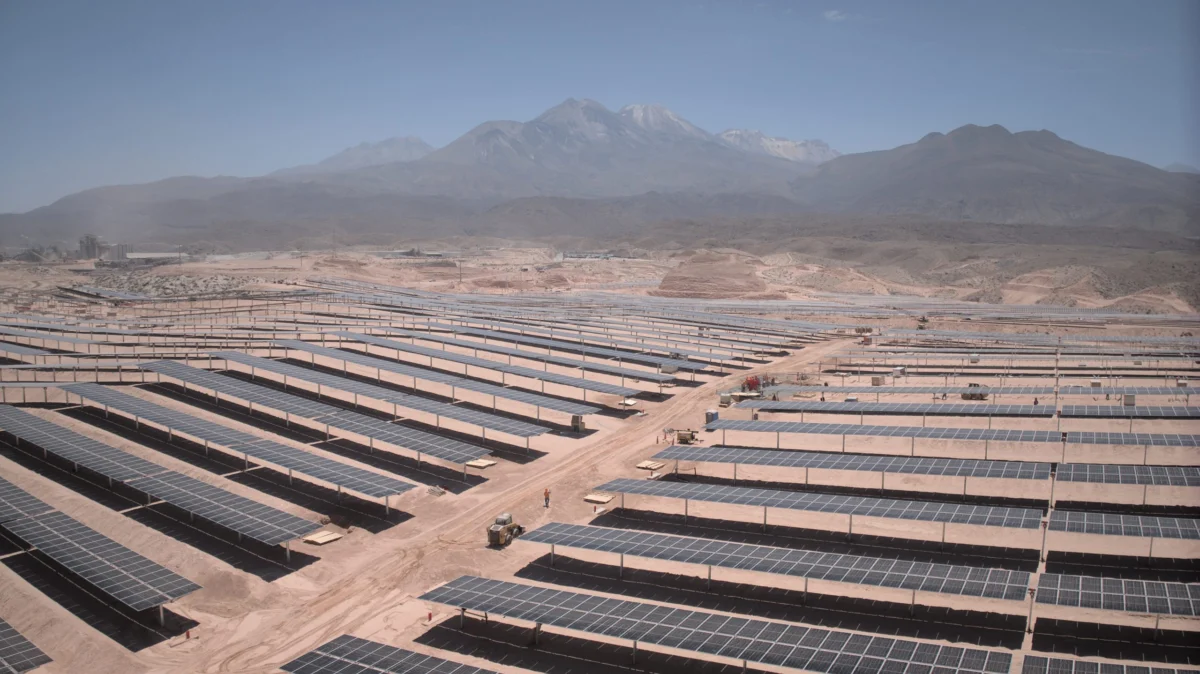
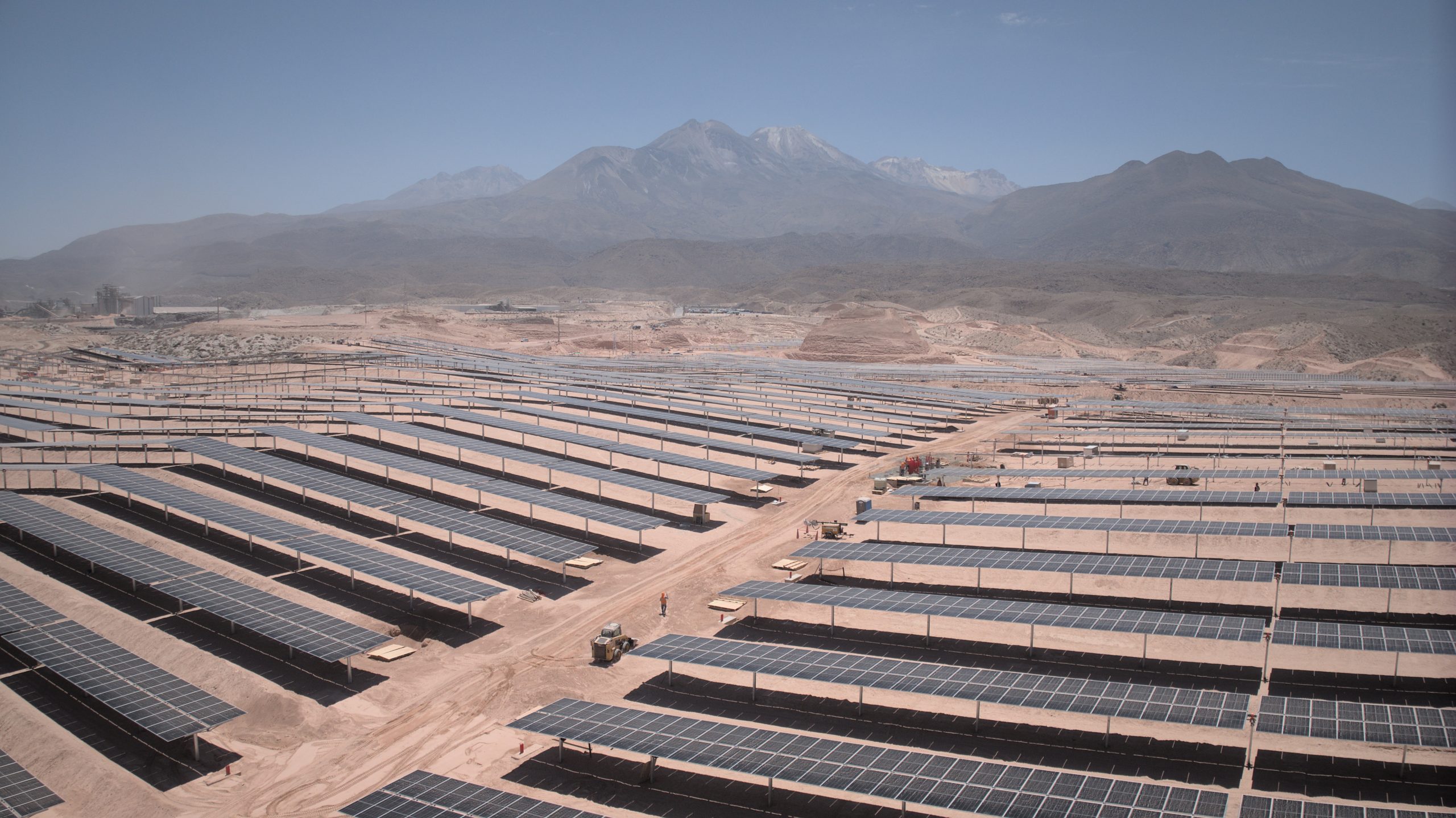
In an era where the global industrial sector is under increasing pressure to reconcile profit margins with environmental stewardship, Cemento Yura—a cornerstone of the Grupo Gloria’s Construction Materials unit—has emerged as a vanguard of the energy transition. Following one year of operational excellence, the company’s flagship photovoltaic plant, a strategic investment totaling US$ 23.5 million, has proven that the path to a “Net Zero” future is paved with tangible financial and operational gains.
Between February 2025 and April 2026, the solar facility has not only solidified its role as a reliable energy source but has delivered a significant US$ 2.7 million in cash savings. This milestone serves as a definitive case study for heavy industry, illustrating how large-scale renewable energy integration can mitigate market volatility, enhance operational resilience, and bolster long-term corporate value.
The Genesis of a Green Transformation: Chronology and Strategy
The journey toward this achievement began with a strategic vision to de-risk the company’s energy portfolio. For a heavy industry giant like Cemento Yura, energy consumption is a primary cost driver and a critical operational vulnerability. Relying on fluctuating grid prices and traditional power sources posed a persistent threat to the company’s bottom line.
Phase 1: Planning and Capital Allocation
Recognizing the need for a more stable and sustainable power infrastructure, the leadership at Grupo Gloria approved a US$ 23.5 million investment to construct a dedicated photovoltaic (PV) plant. This project was not merely a sustainability initiative; it was a core infrastructure play designed to stabilize input costs for the next several decades.
Phase 2: Implementation and Commissioning
The construction phase prioritized the integration of high-efficiency solar panels designed to operate in the specific climatic conditions of the region. Upon completion and commissioning in early 2025, the plant was synchronized with the company’s existing operations, immediately beginning to displace a portion of the energy drawn from the national grid.
Phase 3: The First Year of Operation
From February 2025 through April 2026, the facility underwent a rigorous testing and optimization period. The data collected during these 15 months confirms that the plant has exceeded initial performance expectations, successfully generating 67,498 MWh of clean electricity. This output has effectively insulated the company against the periodic price spikes and supply interruptions that have historically plagued the industrial energy market in the region.
Data-Driven Impact: Quantifying Success
The success of the Cemento Yura photovoltaic project is best understood through its dual impact on the balance sheet and the ecological footprint.
Operational Efficiency and Financial Return
The reported US$ 2.7 million in cash savings highlights the direct correlation between renewable energy adoption and operational efficiency. By generating its own electricity, Cemento Yura has significantly reduced its exposure to electricity market volatility. This autonomy is crucial for a manufacturer whose production processes are energy-intensive; by locking in a stable, lower cost-per-kilowatt-hour, the company has secured a competitive advantage that directly benefits its market position.
Environmental Stewardship
Beyond the financial metrics, the environmental implications are substantial. Over the 14-month period from February 2025 to March 2026, the solar plant prevented the emission of 12,000 tons of CO2 equivalent (CO2eq).
To contextualize this impact:
- Carbon Sequestration: The carbon reduction is equivalent to the amount of CO2 absorbed by 200,000 trees growing over a ten-year period.
- Net Zero Roadmap: This reduction is a vital step toward the company’s 2030 sustainability goals and its overarching commitment to reach Net Zero emissions by 2050.
Official Perspectives: Aligning ESG with Economic Reality
The leadership at Grupo Gloria views this project as a validation of the "Triple Bottom Line" approach—a strategy that balances social, environmental, and financial results.
Pia Zevallos, the Sustainability Manager for the Construction Materials unit, emphasized the synergy between ecological responsibility and corporate profitability. “This investment demonstrates that sustainability and profitability are not mutually exclusive; they are, in fact, mutually reinforcing,” Zevallos noted. “We have achieved a higher degree of operational resilience, strengthened our ESG (Environmental, Social, and Governance) profile, and moved the needle significantly on our Net Zero roadmap.”
Zevallos further highlighted the long-term strategic value for stakeholders: “This is a clear decision that generates tangible value for our shareholders, our clients, and the local community. It serves as a living proof point that the future of the industrial sector is both green and profitable.”
Strategic Implications for the Industrial Sector
The Cemento Yura project is more than an isolated success; it serves as a blueprint for the construction materials industry and the wider manufacturing sector in Latin America.
De-risking Industrial Operations
For firms operating in regions where energy grids may be unreliable or expensive, the transition to captive renewable energy sources is becoming a standard risk management strategy. By controlling the source of energy, companies like Cemento Yura are effectively insulating their operations from geopolitical and macroeconomic shocks that affect fossil fuel prices.
The Competitive Advantage of "Green" Construction
As global construction standards increasingly mandate the use of low-carbon materials, companies that proactively transition to renewable energy will be better positioned to meet the demands of international investors and green-certified construction projects. Cemento Yura’s investment ensures that its product offering remains aligned with global trends toward sustainability, making its cement a preferred choice for developers and contractors who are themselves striving to lower their project-level carbon footprints.
A Catalyst for Regional Development
Operating in Peru, Chile, Ecuador, and Bolivia, Grupo Gloria and its subsidiaries are setting a tone for regional industrial development. The shift toward renewable energy by a major player like Cemento Yura encourages local utilities to modernize and offers a compelling argument to policymakers that industrial infrastructure can coexist with, and even protect, the environment.
Conclusion: The Path Toward 2050
As the world marks another World Environment Day, the Cemento Yura photovoltaic project stands as a testament to what is possible when strategic vision is paired with committed capital. The company has moved beyond the theoretical discussions of sustainability and into the realm of measurable, high-impact results.
Looking forward, the roadmap to 2050 is ambitious. The industry faces significant challenges, including the need for further technological innovation in cement production and the ongoing integration of circular economy principles. However, with the success of this solar investment, Cemento Yura has proven that the foundational work—securing clean, reliable energy—is well underway.
By prioritizing efficiency, environmental health, and financial resilience, the company is not only securing its own future but is also charting a course for a more sustainable industrial landscape. The success of the Yura solar plant is a clear message to the industry: the future is not just arriving; it is being built today, one solar panel at a time.
About Cemento Yura
Cemento Yura is a subsidiary of the renowned Grupo Gloria, specializing in the production and distribution of high-quality cement. With a footprint that spans Peru, Chile, Ecuador, and Bolivia, the company is recognized as the leading provider of building materials in the southern region of Peru. Driven by a philosophy of operational excellence and an unwavering commitment to the environment, Yura continues to evolve its business model to meet the rigorous climate targets of the 2030 and 2050 agendas, ensuring that it remains at the forefront of the modern, sustainable construction industry.