Executive Summary: Ensuring Democratic Integrity
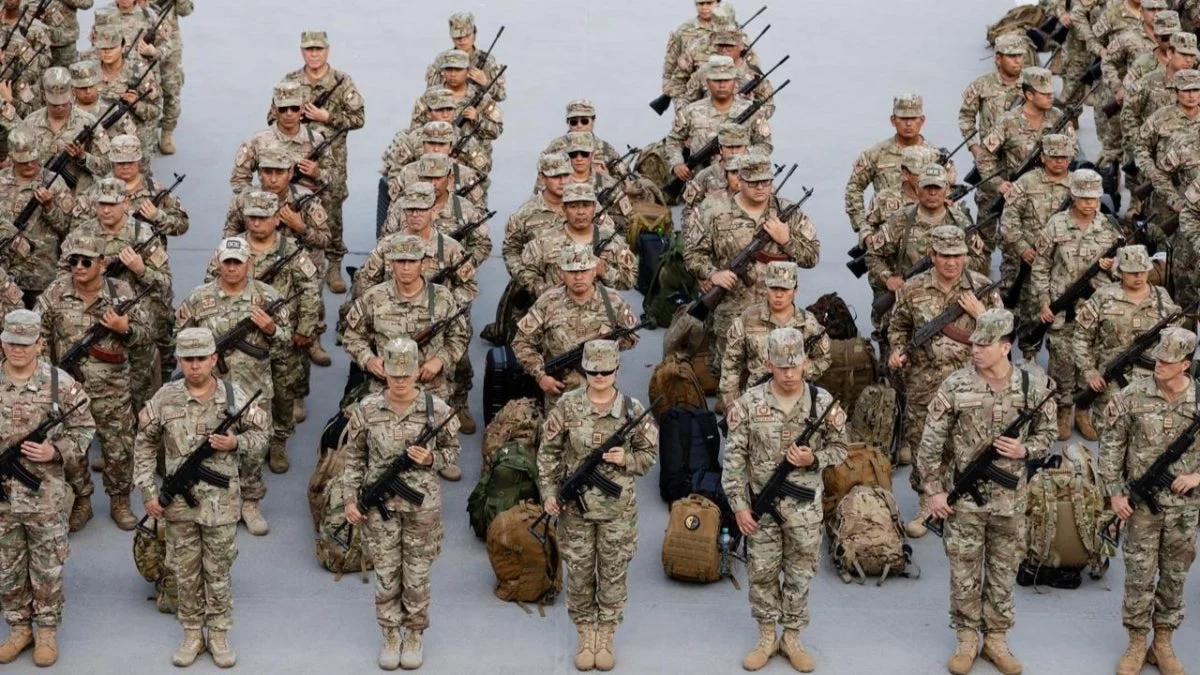
In a massive logistical undertaking aimed at guaranteeing the sanctity of the democratic process, the Peruvian Armed Forces have initiated a comprehensive nationwide security deployment. As the nation prepares for the high-stakes second-round presidential election scheduled for June 7, over 45,000 military personnel have been mobilized across all regions. This operation is designed to provide a secure environment for voters, protect electoral materials, and ensure that the transition of power remains peaceful and orderly.
The deployment, which began in earnest this past Friday, involves a sophisticated coordination between the Army, the Air Force, and the Navy. In Lima Metropolitan, the focus has centered on the mobilization of specialized units from the First Special Forces Brigade (BRIFFEE) and the Las Palmas Air Base, underscoring the government’s commitment to preventing disruption in the country’s most populous region.
Chronology of the Deployment: A Systematic Rollout
The mobilization of troops did not occur in a vacuum; it was the culmination of weeks of strategic planning and inter-institutional coordination between the Ministry of Defense, the National Office of Electoral Processes (ONPE), and the National Jury of Elections (JNE).
Friday: The Surge Begins
The tactical movement of forces reached its peak during the early hours of Friday. At the First Special Forces Brigade (BRIFFEE) headquarters in the district of Santiago de Surco, a contingent of 669 highly trained personnel mobilized before dawn. Their destination: the southern sectors of Lima, specifically Villa El Salvador, Villa María del Triunfo, and Pachacámac. These districts, characterized by high population density, require significant security presence to manage the flow of voters and the secure storage of sensitive electoral equipment.
Friday Afternoon: The Air Force Joins the Line
By Friday afternoon, the focus shifted to the Las Palmas Air Base. A total of 2,070 members of the Peruvian Air Force (FAP), operating under the Componente Operacional Aéreo, moved out to secure 184 designated voting centers across Lima. This phase of the operation was marked by strict adherence to logistical schedules, ensuring that every precinct under FAP jurisdiction was occupied and prepared for the arrival of polling officials.
The Final Push
As noted by Colonel EP José Luis Delgado Hurtado, Chief of the Institutional Management Section of the BRIFFEE, the mobilization was a staggered process designed to prevent logistical bottlenecks. "Today marks the culmination of the displacement of all troops to voting locations across the entire country," Colonel Delgado stated, confirming that by the end of Friday, the military’s national footprint was fully established.
Supporting Data: The Logistics of National Security
The scale of this operation is significant even by regional standards. Deploying 45,000 troops involves not only the physical movement of personnel but also the management of communications, supply lines, and contingency planning.
Geographic Distribution
The deployment is national in scope, covering urban centers, rural highland communities, and remote jungle outposts. The armed forces are tasked with:
- Logistical Support: Assisting in the transport of ballot boxes and sensitive materials to isolated regions where road access is limited.
- Perimeter Security: Maintaining a 24/7 guard around voting centers from the moment materials arrive until the final tallies are transmitted to the JNE.
- Civil Order: Acting as a deterrent against potential civil unrest or attempts to interfere with the voting process.
Operational Adjustments
Colonel FAP Marco Antonio Muñoz Ramírez, Director of Information and Aerospace Interests, clarified that this deployment is not a departure from established protocols but rather a refined version of the first-round strategy. "This deployment is similar to the one performed in the first round, with specific adjustments based on territorial distribution and current security intelligence," Muñoz Ramírez explained. The military’s capacity to learn from the first round has allowed them to reallocate resources to areas identified as having higher logistical complexity.
Official Responses and Strategic Mandates
The military leadership has emphasized the "neutral" and "protective" nature of their mission. In Peru, the armed forces are constitutionally mandated to guarantee the right to suffrage, a role they take with extreme gravity during electoral cycles.
The Mandate of Inamovilidad
A critical component of the current security status is the order of inamovilidad (immobility). Personnel deployed to these sites are effectively locked into their posts until the conclusion of the electoral process on Monday. This ensures that security remains constant throughout the voting day, the counting process, and the initial reporting of results. By maintaining this posture, the military prevents any potential gaps in coverage that could be exploited by actors looking to disrupt the democratic order.
Inter-agency Synergy
The cooperation between the military and civilian electoral bodies has been lauded by the JNE. By providing secure transport for ballots, the armed forces ensure the "chain of custody" remains unbroken. For the citizens, the presence of uniformed personnel acts as a psychological buffer, providing a sense of order that encourages voter turnout even in areas with histories of political tension.
Implications for the Electoral Process
The presence of 45,000 troops carries profound implications for the second-round election.
1. Strengthening Voter Confidence
In a polarized political climate, the sight of the military securing polling stations provides a necessary layer of reassurance. It signals to the electorate that the state is fully committed to protecting their voice, effectively mitigating fears of voter intimidation or ballot tampering.
2. Deterrence of Disruption
The primary goal of the operation is prevention. By establishing a robust presence, the armed forces effectively neutralize the tactical advantage of any group or individual intent on causing chaos. The specialized nature of the BRIFFEE units, specifically trained for rapid response, adds an extra layer of deterrence against any unexpected security threats that might emerge during the polling hours.
3. Logistical Resilience
The successful deployment of thousands of troops across Peru’s challenging geography demonstrates the operational readiness of the Peruvian military. This capability is vital not only for elections but also for the state’s ability to respond to national emergencies. The seamless movement of these forces serves as a demonstration of institutional stability during a period of intense political transition.
Conclusion: A Nation at the Polls
As the sun rises on the day of the second round, the streets of Lima and the furthest reaches of the Andean highlands will be under the watchful eye of the Peruvian Armed Forces. The massive deployment of 45,000 personnel is a testament to the nation’s dedication to its democratic institutions.
While the political debate continues in the public square, the technical foundation of the election—the security of the vote—has been firmly established by the men and women of the BRIFFEE, the Air Force, and their counterparts nationwide. As Colonel Delgado Hurtado and Colonel Muñoz Ramírez have affirmed, the military remains a silent, steady sentinel, ensuring that when the citizens of Peru cast their ballots, their only concern will be the future of their country, not the safety of their vote.
The stage is set, the perimeters are secured, and the constitutional mandate of the armed forces is in full effect. The eyes of the nation, and the international community, are now focused on the outcome of this exercise in democratic expression, guaranteed by the disciplined presence of those who serve to protect it.