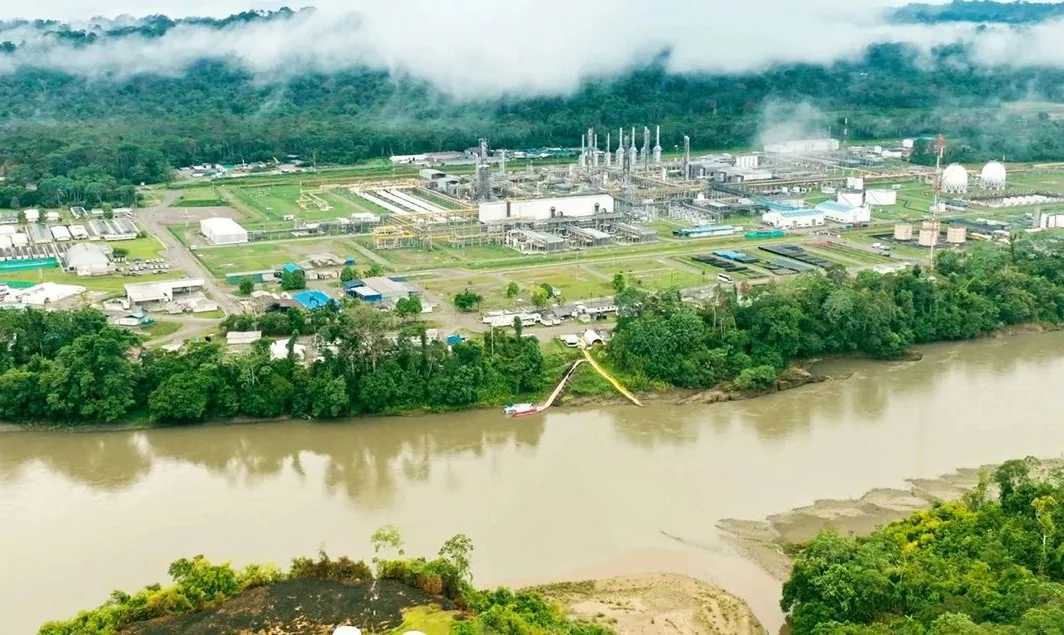
One month after the Peruvian government implemented definitive antidumping duties on hot-rolled steel pipe imports from China, the domestic manufacturing sector is sounding an alarm. While the measure, enacted in July 2026, is viewed as a necessary step toward market stabilization, it has also become a catalyst for a broader debate: the urgent need for a more agile, responsive, and robust trade defense system in Peru.
For industry leaders, the case of Chinese steel pipes—which took 18 months to resolve—serves as a cautionary tale. While the government eventually sided with local producers, the damage incurred during the prolonged investigative process highlights systemic vulnerabilities that threaten the survival of domestic manufacturing, the stability of the formal labor market, and the overall competitiveness of the Peruvian economy.
The Anatomy of the Steel Pipe Case: A Chronology of Delays
The trajectory of the steel pipe investigation is illustrative of the challenges faced by local industries when confronting unfair trade practices.
- January 2025: Formal investigations into Chinese hot-rolled steel pipes commenced following evidence of price distortion that threatened the domestic market.
- The Interim Period: Over the next 18 months, while the investigation crawled through bureaucratic and technical review processes, the market situation deteriorated rapidly.
- Data Impact: During this window, imports of the subject merchandise from China surged by 94.7%. Simultaneously, the domestic industry suffered a staggering 16.5% decline in sales prices as firms were forced to slash margins to remain competitive against artificially cheap imports.
- July 2026: The government officially implemented antidumping duties for a five-year term.
While the outcome was technically a victory for local producers, the "lag time" proved devastating. The industry argues that the 18-month delay allowed the unfair competition to erode their market share and profitability, potentially causing irreparable damage to production lines that were already operating under extreme financial pressure.
The Broader Landscape: Nine Pending Cases
The steel pipe resolution is not an isolated incident but rather a symptom of a larger backlog within the Peruvian trade defense apparatus. Currently, there are at least nine other high-stakes cases navigating the administrative pipeline. These cases represent a wide cross-section of the Peruvian economy, including:
- Manufacturing and Consumer Goods: Ceramic "one-piece" toilets and zipper fasteners, both of which face stiff competition from low-cost, subsidized foreign imports.
- Industrial and Transport Sectors: Automotive tires, which are critical to the logistics and transport chains that keep the Peruvian economy moving.
- Textiles and Energy: Ligature-weave fabrics and biodiesel, both essential sectors for local employment and energy independence.
These cases exist at various stages of the administrative process, ranging from initial filing to post-investigation reviews and potential "anti-circumvention" probes. The sheer volume of these cases suggests that the current institutional capacity is being stretched to its limits, leaving domestic producers in a state of limbo where they must defend their markets while their resources are simultaneously drained by aggressive foreign pricing.
The Multiplier Effect: Economic and Social Implications
The consequences of "delayed justice" in trade defense extend far beyond the balance sheets of the affected manufacturing firms. The Peruvian industry warns of a negative multiplier effect that ripples through the entire national economy.
1. The Erosion of Industrial Infrastructure
When local companies lose market share due to unfair competition, they are often forced to reduce operational capacity. This leads to the mothballing of machinery and the suspension of planned capital expenditures (CAPEX). In a developing economy like Peru’s, where industrial modernization is vital, the loss of investment capacity is a significant setback to long-term productivity.
2. Employment and Social Impact
Manufacturing is a primary driver of formal, high-quality employment. When a factory reduces its shifts or shutters a production line, the impact is immediate. It results in the loss of direct jobs and, more broadly, the reduction of the tax base that funds public services.
3. Supply Chain Contraction
The industrial ecosystem relies on a complex network of upstream and downstream partners. When a manufacturer suffers, the pain is felt by local raw material suppliers, specialized logistics providers, transport companies, and regional distributors. By the time a trade remedy is finally implemented, these secondary businesses may have already been forced to downsize or close, making it difficult for the primary manufacturer to ramp up production even after protection is granted.
Official Responses: "Equality, Not Protectionism"
Silvia Hooker, Manager of International Affairs at the National Society of Industries (SNI), has been a vocal advocate for systemic reform. Her message to policymakers is nuanced but firm: the goal is not to close borders or engage in protectionism, but to ensure that the rules of the game are applied equitably.
"The Peruvian industry believes firmly in free trade, the free market, and open competition," Hooker stated. "We are not asking for artificial protection. We are asking for equality of conditions. We want the rules to apply equally to all market participants."
Hooker emphasized that trade defense instruments are not barriers to trade but necessary "corrective tools." Under international law, particularly the standards set by the World Trade Organization (WTO), nations are permitted to impose duties when it is empirically proven that products are entering the market at prices below their "normal value," thereby causing material injury to the domestic industry.
"A measure that arrives only after a company has already significantly reduced its output or closed a vital production line loses the vast majority of its effectiveness," Hooker added. "While we acknowledge that investigations must maintain a high level of technical rigor, the speed of these investigations must match the reality and the urgency of the current global market."
The Path Forward: Efficiency as a Strategic Asset
Peru already possesses a legal and regulatory framework that is fully compliant with WTO mandates and the various Free Trade Agreements (FTAs) the country has signed. Therefore, the challenge is not one of legal innovation, but of administrative efficacy.
To address these concerns, experts suggest several key areas for reform:
- Streamlining Information Gathering: Simplifying the initial application process for local companies so that evidence of "dumping" can be processed more quickly by the regulatory authorities.
- Resource Allocation: Strengthening the technical teams tasked with conducting trade defense investigations to ensure they can manage multiple, complex cases simultaneously without causing bottlenecks.
- Provisional Measures: Making greater use of "provisional duties"—temporary tariffs applied during the investigation—when preliminary evidence of injury is strong. This would prevent the "wait-and-see" approach that currently allows unfair imports to dominate the market during the 18-month investigative window.
- Digitalization and Transparency: Enhancing the digital infrastructure of the investigative process to allow for real-time tracking of cases, providing stakeholders with greater predictability.
Conclusion
The recent imposition of antidumping duties on steel pipes represents a critical turning point for Peruvian industry. It serves as a reminder that while the country is committed to the tenets of international trade, that commitment must be balanced with a proactive defense of the national productive apparatus.
As the government continues to evaluate the remaining nine cases in the pipeline, the industry’s call for agility serves as a vital reminder: in the globalized economy, time is as much a competitive factor as price. For Peru to maintain a robust industrial base, its regulatory mechanisms must evolve from reactive institutions into proactive defenders of fair competition, ensuring that the country’s investment, jobs, and industrial future remain secure against the volatile tides of global trade distortions.