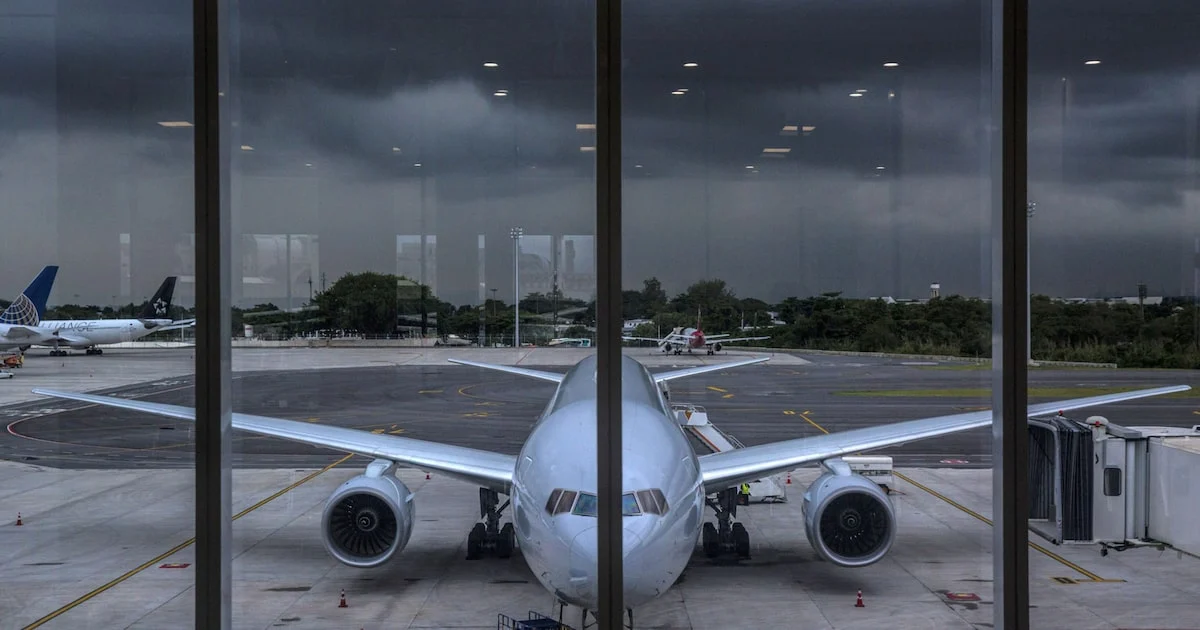
The aviation industry in Brazil is facing a perfect storm. Travelers planning domestic trips across the South American giant are encountering an unwelcome reality: airfare prices have spiked by more than 30% on an annualized basis. According to a recent monitor report by JPMorgan, this aggressive pricing trend is not merely a seasonal fluctuation but a direct consequence of escalating geopolitical tensions in the Middle East, which have fundamentally altered the cost structure of the airline industry.
The Geopolitical Catalyst: A Ripple Effect from the Middle East
The primary driver behind this sudden inflationary pressure on air travel is the volatility of the global oil market. Since the onset of intensified hostilities involving Iran—marked by significant escalations on February 28 following joint U.S. and Israeli operations—the price of crude oil has followed a distinct upward trajectory.
In the aviation sector, fuel is the single largest variable cost. Jet kerosene (QAV) is intrinsically linked to the price of a barrel of crude. As geopolitical risks drive up oil prices, the cost of refining and distributing jet fuel has surged, forcing airlines to pass the burden onto the consumer. Before the most recent series of price hikes in May, industry data from the Brazilian Association of Airlines (Abear) indicated that jet fuel accounted for approximately 45% of an airline’s total operational expenses. With fuel costs spiraling, the operational margins of carriers have been squeezed to critical levels.
Chronology of the Fuel Crisis
The crisis in fuel pricing did not occur overnight. It is the result of a systematic, month-over-month increase in the cost of the primary energy input for aviation. Petrobras, the state-controlled energy giant that commands roughly 85% of Brazil’s national fuel production, has been the primary architect of these pricing shifts.
- March 2026: Petrobras initiated a 9.4% increase in the price of jet fuel, responding to the initial market jitters caused by the outbreak of the conflict.
- April 2026: The situation deteriorated, forcing a massive, sharp adjustment of 54.8% in fuel prices, a move that sent shockwaves through the aviation logistics chain.
- May 2026: A third consecutive increase, this time at 18%, pushed operational costs to a tipping point, triggering the 30% increase in passenger airfares observed by analysts.
To mitigate the immediate impact on the sector, Petrobras implemented a policy allowing distributors to pay for these fuel hikes in six installments, with the first payment deferred until July 2026. While the company claims this measure was designed to preserve demand and cushion the blow for the airlines, the financial relief is viewed by analysts as temporary, effectively deferring a debt that will eventually have to be managed in an environment of high operational uncertainty.
The Seasonal Paradox: A Crisis Outside the Peak
One of the most alarming aspects of this current price surge is that it began in May—a period that historically falls outside the peak demand window for Brazilian aviation. Typically, the months of June, July, and August represent the "high season," with July seeing a massive surge in travel due to winter school holidays.
Because these price adjustments have occurred in the shoulder season, analysts at JPMorgan have identified the cost of fuel as the "pure" vector for the price hikes. This separates the current inflation from the typical "demand-pull" inflation that usually characterizes the mid-year period. However, this cost-push inflation is now colliding with a looming demand-pull spike, as the 2026 FIFA World Cup—taking place in North America from June 11 to July 19—draws international travelers away from domestic routes and further strains airline capacity management.
Official Responses and Industry Contraction
The aviation industry’s response to these mounting costs has been swift and defensive. Rather than absorbing the costs or attempting to maintain flight volume, carriers have opted for capacity rationalization. According to data from the National Civil Aviation Agency (Anac), airlines reduced their flight offerings by nearly 5% in May compared to forecasts made just one month prior.
This contraction is not a strategic pivot for growth, but a survival tactic. JPMorgan has officially downgraded its capacity projections for Azul (AZUL3), moving from a forecast of +1% annual growth to a contraction of -5%. This adjustment reflects a broader industry trend where the "pass-through" of fuel costs to the consumer is expected to be a prolonged, painful process.
Roberto Ardenghy, president of the Brazilian Institute of Petroleum and Gas (IBP), highlighted the structural difficulty of this transition. "It is a long process," Ardenghy stated in an interview with Agência Brasil. "The transmission of the barrel price increase to refineries and subsequently into contractual pricing for airlines can take up to six months to fully materialize." This suggests that the current high-fare environment is unlikely to dissipate quickly, even if oil prices were to stabilize tomorrow.
Investment Outlook: Navigating the Turbulence
Amidst this volatility, financial analysts are shifting their focus toward "resilience" over "growth." Guilherme Mendes, the lead analyst for Latin American aviation at JPMorgan, maintains a cautious outlook for the sector, advising investors to prepare for continued instability.
However, the bank identifies specific players that are better positioned to weather the storm:
Latam Airlines (LTM) and Copa (CPA)
JPMorgan maintains an "overweight" recommendation for both Latam and Copa. The rationale is rooted in the quality of their balance sheets and their ability to generate consistent free cash flow. Latam, in particular, is viewed favorably due to its aggressive hedging strategy regarding fuel costs, which provides a layer of insulation against the volatility experienced by competitors who are more exposed to the spot market for jet kerosene.
Azul (AZUL3)
For Azul, the bank holds a "neutral" stance. While acknowledging that the company has a "solid balance sheet" following its successful emergence from Chapter 11 bankruptcy protection in early 2026, analysts remain concerned about the overhang—the potential downward pressure on share prices resulting from the trading of their American Depositary Receipts (ADRs).
Broader Implications for the Brazilian Economy
The sustained increase in airfares has implications that extend far beyond the balance sheets of airlines. Brazil’s tourism and business sectors rely heavily on domestic connectivity. If the current price levels are sustained throughout the second half of the year, there is a significant risk of a dampening effect on domestic tourism, particularly as inflation erodes the purchasing power of the middle class.
Furthermore, the aviation sector is a critical component of the domestic supply chain. High airfares often translate into higher costs for goods transported by air and reduced frequency of business travel, which could create a drag on national productivity.
As the industry moves toward the peak of the July holiday season and the global attention shifts to the World Cup, the tension between rising operational costs and the necessity of maintaining market connectivity will remain the defining narrative for the Brazilian aviation sector. For now, both investors and travelers must brace for a period of restricted capacity and elevated prices, as the long shadow of global geopolitical conflict continues to dictate the economics of the clouds.