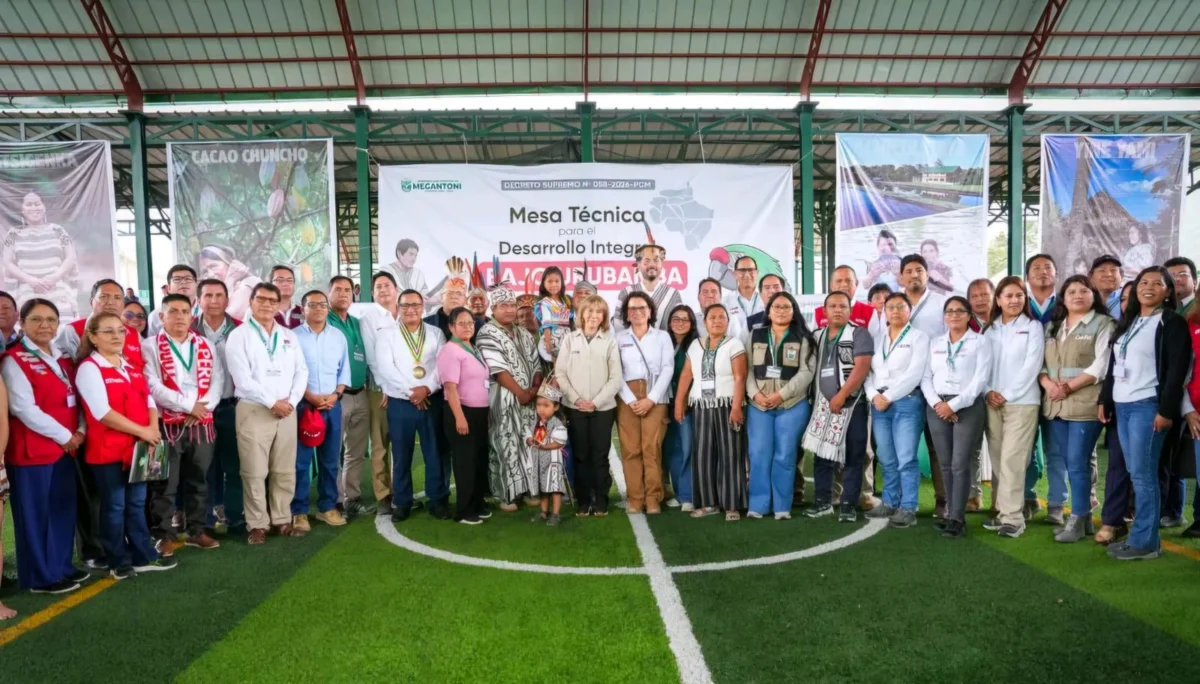
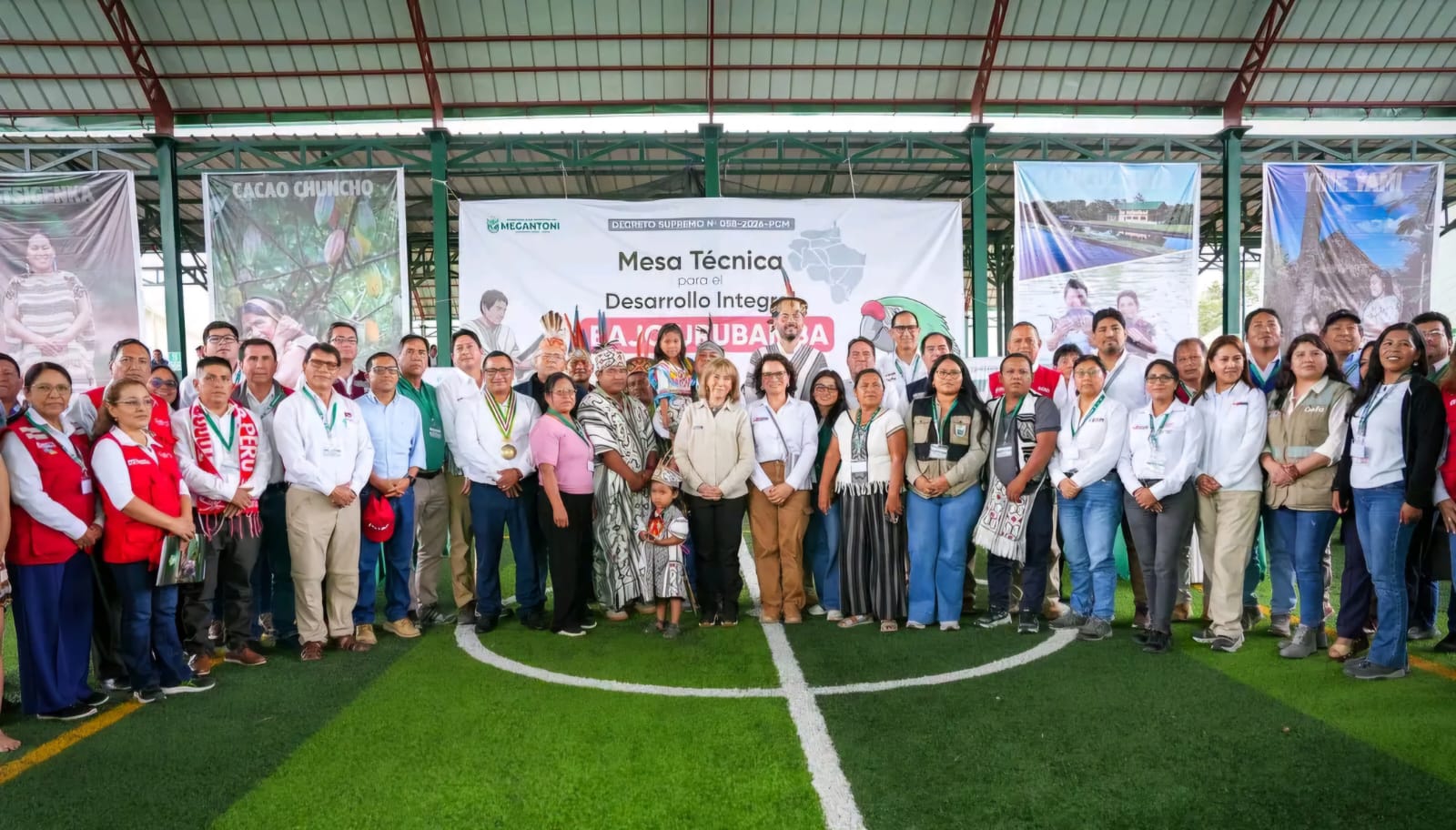
Lima, Peru – In a decisive move to bridge the persistent energy access gap in Peru’s remote Amazonian regions, the Ministry of Energy and Mines (MINEM) has reaffirmed its unwavering commitment to spearheading transformative projects in the districts of Megantoni (Cusco) and Sepahua (Ucayali). This commitment was solidified during a pivotal meeting of the "Technical Table for the Development of the Districts of Megantoni (Cusco) and Sepahua (Ucayali)," a multisectoral commission established to foster comprehensive development and improve the quality of life for communities in the Bajo Urubamba region.
The MINEM’s proactive stance signals a significant step forward in addressing historical deficits in basic services, with a particular focus on expanding access to reliable electricity. This initiative is poised to unlock new avenues for social and economic progress, empowering thousands of inhabitants with the benefits of electrification.
A Commitment to Comprehensive Development: The MINEM’s Vision for Bajo Urubamba
The recent meeting, a cornerstone of the MINEM’s strategic engagement with the Bajo Urubamba, saw key officials from the ministry articulate a clear roadmap for progress. Presiding over the discussions were Rommy Manyari, the Vice Minister of Electricity, and Adrián Zapata, the Director General of Electricity, alongside crucial representatives from the MINEM’s General Office of Social Management (OGGS). Their collective presence underscored the high-level importance placed on this initiative.
The core of the MINEM’s pledge revolves around concrete actions designed to dismantle the barriers that have long prevented equitable access to essential services. For communities in Megantoni and Sepahua, this translates directly into improved living conditions, enhanced educational opportunities, and the potential for economic diversification. The ministry’s dedication is not merely symbolic; it is backed by substantial investment and a commitment to collaborative implementation.
Illuminating Sepahua: A Landmark Electrification Project
Central to the MINEM’s concrete plans is the ambitious "Creation of the Household Electricity Supply Service in Rural Areas in SER Sepahua, Sepahua District, Atalaya Province, Ucayali Department" project. This initiative represents a substantial financial commitment, with an investment exceeding 49 million Peruvian Soles (S/ 49 million). This significant allocation of resources highlights the government’s determination to bring modern energy solutions to communities that have historically been underserved.
The scope of this project is truly impactful. It is designed to extend electricity to 55 rural localities within the Sepahua district. This widespread reach will directly benefit approximately 2,100 households, impacting the lives of an estimated 8,623 inhabitants. The ripple effects of this electrification are expected to be profound, addressing long-standing disparities in energy access and fostering an environment conducive to socio-economic advancement.
The introduction of reliable electricity is not just about powering lights; it is about enabling a cascade of improvements. For students, it means the opportunity to study and access educational resources after dusk, thereby enhancing learning outcomes. For families, it signifies improved safety and comfort, as well as the potential to utilize modern appliances that can alleviate domestic burdens. Economically, it opens doors for small businesses to operate more efficiently, to preserve goods, and to develop new enterprises that were previously unfeasible without a consistent power source.
Addressing the Energy Deficit: A Multi-faceted Approach
Beyond the specific Sepahua project, the MINEM is committed to a broader strategy for overcoming the existing energy deficit in the region. This commitment is formalized under Ministerial Resolution No. 379-2025-MINEM/DM, which guides the ongoing efforts. Working in conjunction with Electro Sur Este S.A.A., a key player in the regional energy distribution, the ministry is implementing a series of crucial measures.
These measures are designed to lay the groundwork for sustainable energy solutions and to accelerate the pace of development. They include the vital step of leasing land for future energy infrastructure, a critical prerequisite for any large-scale project. Furthermore, the MINEM is actively engaged in environmental management processes, ensuring that development is carried out responsibly and with due consideration for the delicate Amazonian ecosystem. The preparation of terms of reference for these activities signifies a meticulous approach to project planning and execution.
Collaborative Endeavors: Bridging Divides Through Joint Action
Recognizing that effective development hinges on collaboration, the MINEM has actively fostered partnerships with local stakeholders. A significant demonstration of this collaborative spirit was the joint technical visit to a key site. This visit saw the participation of the Chief of the Camisea Native Community, representatives from the Bajo Urubamba Management Committee (CGBU), and officials from Electro Sur Este S.A.A.
The purpose of this joint visit was to meticulously assess the ground realities, align efforts, and expedite the implementation of planned actions. Such on-the-ground engagement is indispensable for understanding the unique challenges and opportunities presented by each locality. By bringing together indigenous leaders, community representatives, and energy sector professionals, the MINEM ensures that projects are not only technically sound but also socially inclusive and responsive to the needs and aspirations of the local populations.
This level of engagement is crucial for building trust and ensuring the long-term success of electrification initiatives. It signifies a shift towards a more participatory model of development, where communities are active partners rather than passive recipients of services.
The Future of Connectivity: Exploring Interconnection with the National Grid
Looking further ahead, the MINEM, in collaboration with the Regional Directorate of Energy and Mines of Cusco, is undertaking a comprehensive evaluation of a potentially game-changing proposal: the interconnection of the Bajo Urubamba Rural Electricity System with the National Interconnected Electric System (SEIN). This strategic move, currently under intensive review, could provide a more robust and potentially more cost-effective long-term energy solution for the region.
A dedicated working meeting has been scheduled for Wednesday, May 27th, to delve deeper into the technical feasibility, economic implications, and logistical considerations of this interconnection. The SEIN represents the backbone of Peru’s electricity supply, and its integration with the Bajo Urubamba system would signify a major leap in energy security and reliability for the affected communities.
Strengthening State Presence and Fostering Sustainable Development
These concerted actions by the Ministry of Energy and Mines underscore a broader governmental commitment to strengthening the presence of the State in the Bajo Urubamba region. By prioritizing universal access to electricity, promoting open and constructive territorial dialogue, and fostering sustainable development, the government aims to create a more equitable and prosperous future for the inhabitants of Megantoni and Sepahua.
The implications of these initiatives extend far beyond the immediate provision of electricity. They represent an investment in human capital, an enabler of economic growth, and a crucial step towards integrating these remote regions into the national fabric of progress. As the MINEM continues to drive these projects forward, the promise of a brighter, more electrified future for the people of Bajo Urubamba moves closer to reality. The journey ahead involves continued collaboration, diligent execution, and a steadfast commitment to the well-being of these vital communities.