In a proactive effort to safeguard the stability of the national power grid, the Grupo Distriluz—the state-owned energy conglomerate comprising Enosa, Ensa, Hidrandina, and Electrocentro—has successfully conducted a comprehensive corporate emergency drill. This exercise, staged in anticipation of the 2026-2027 El Niño (FEN) phenomenon, was designed to stress-test existing contingency protocols, inter-agency communication channels, and the physical readiness of technical teams across the northern and central regions of Peru.
The simulation marks a pivotal moment in the energy sector’s preparedness strategy, as the country braces for potential climate-induced volatility. By mobilizing thousands of personnel and specialized equipment across four major distribution companies, the group aimed to minimize service interruptions for millions of citizens whose daily lives, economic activities, and essential services depend on a reliable power supply.
The Strategic Imperative: Addressing the FEN Challenge
The Fenómeno El Niño (FEN) represents one of the most significant environmental threats to Peruvian infrastructure. Characterized by anomalous warming of sea surface temperatures, it often leads to torrential rains, massive flooding, and the reactivation of dry creek beds (quebradas) that can devastate power transmission lines and electrical substations.
To mitigate these risks, Grupo Distriluz has earmarked a total investment of S/ 60 million specifically for resilience-building initiatives. This funding is strategically phased:
- January – June 2026: S/ 15 million executed for initial reinforcement.
- July – December 2026: S/ 30 million projected for intensive infrastructure hardening.
- January – March 2027: S/ 15 million allocated for final pre-peak season adjustments.
These investments are not merely financial; they represent a fundamental shift toward "proactive infrastructure," focusing on the elevation of critical equipment, the installation of advanced drainage systems, and the strategic stockpiling of materials in high-risk zones.
Chronology of the Simulation: A Multi-Regional Response
The drill, which took place over several high-intensity hours, replicated the most probable catastrophe scenarios identified by risk mapping. Each subsidiary faced a tailored challenge designed to test local and centralized decision-making.
Phase 1: The Piura River Crisis (Enosa)
In the northern region of Piura, Enosa simulated a 48-hour period of non-stop torrential rain. The primary objective was to manage the structural integrity of electrical towers in the Locuto area, near Tambogrande. The exercise tested the company’s ability to deploy rapid-response crews to stabilize soil erosion before the river banks reached critical collapse levels.
Phase 2: The Northern Corridor Floods (Ensa)
The Chiclayo-based Ensa faced a "worst-case" scenario: the simultaneous overflowing of the Chancay and La Leche rivers. The drill focused on the critical infrastructure linking Monsefú, Ciudad Eten, and Puerto Eten. Technicians were tasked with isolating compromised sectors to prevent cascading failures that could leave thousands of homes without electricity during an actual deluge.
Phase 3: The Trujillo Debris Flow (Hidrandina)
In the vicinity of Laredo, Trujillo, Hidrandina teams practiced emergency response to the sudden activation of the San Carlos and Caballo Muerto quebradas. The focus here was on logistics: with roads blocked by mudslides, the simulation required engineers to navigate terrain using secondary access points to repair damaged conductors and poles while maintaining communications with regional headquarters.
Phase 4: Substation Defense (Electrocentro)
In the central highlands, Electrocentro conducted a high-stakes drill at the Chanchamayo Substation. With rising water levels threatening the integrity of the facility’s control rooms, the operation focused on the installation of temporary mobile flood barriers and the activation of emergency pumping systems to protect the transformers from irreversible water damage.
Data-Driven Resilience: The Technical Framework
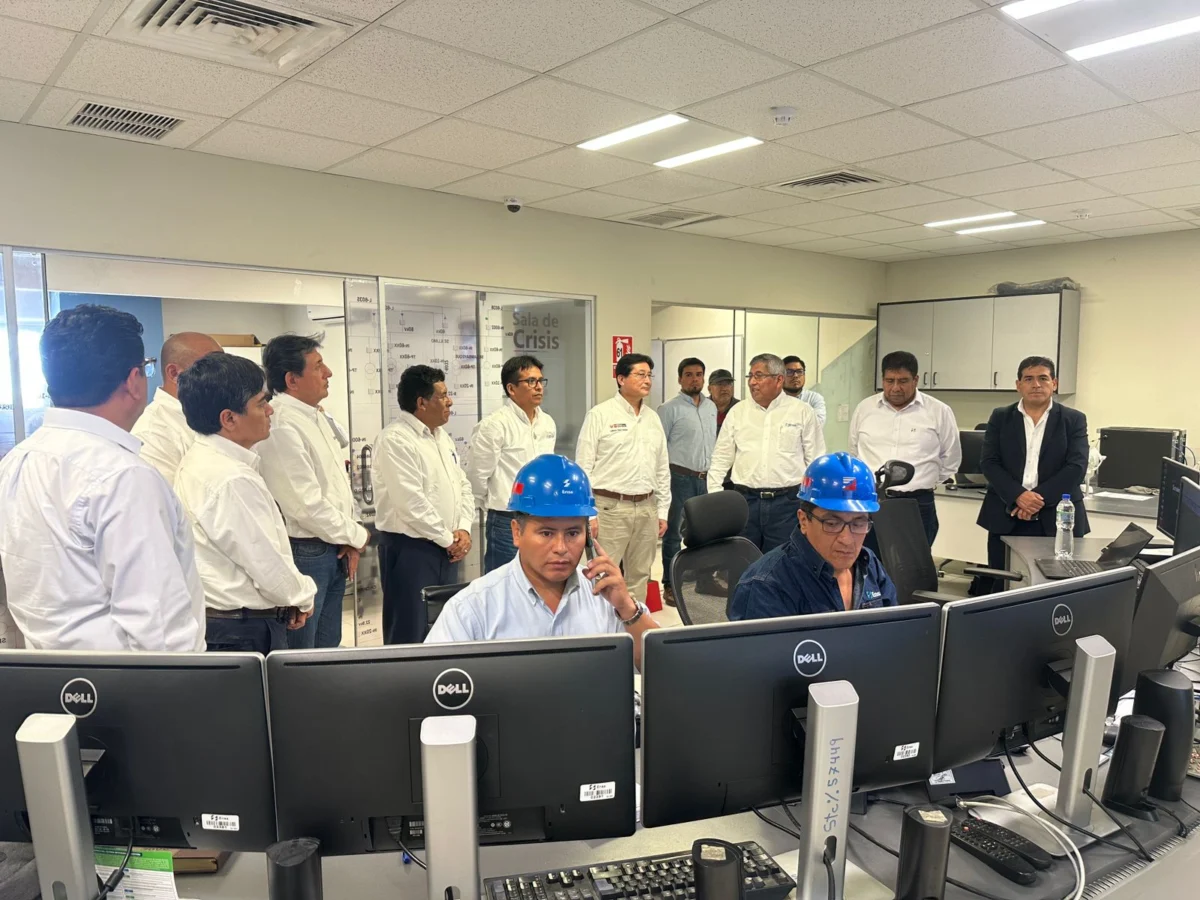
The success of the drill relied on the real-time activation of Emergency Operations Centers (COER). Key metrics monitored during the exercise included:
- Response Latency: Time elapsed between the detection of a simulated fault and the arrival of the first response team.
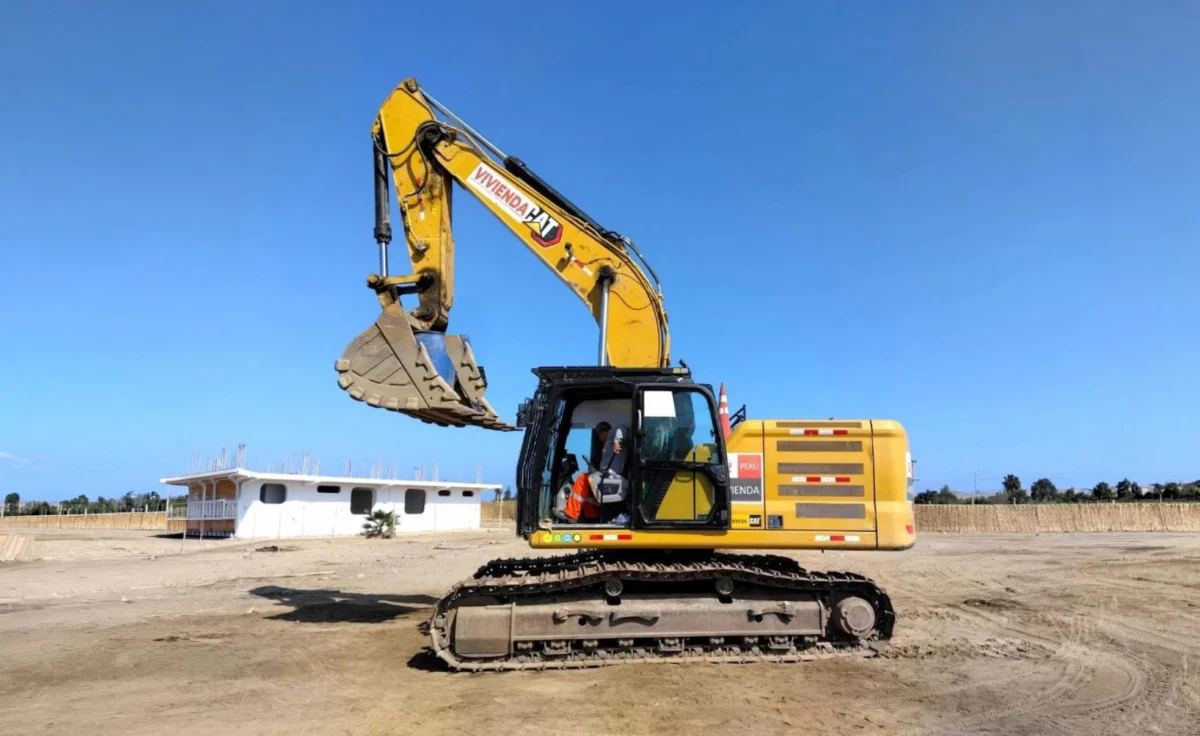
- Resource Deployment: The efficiency of moving heavy machinery, such as mobile generators and cranes, across saturated, difficult terrain.
- Cross-Company Synergies: The ability of Enosa, Ensa, Hidrandina, and Electrocentro to share technical resources and intelligence when one company’s local capacity is overwhelmed.
The group has also invested heavily in preventive maintenance, including large-scale tree pruning near transmission lines—a common cause of short circuits during storms—and the implementation of satellite-linked monitoring systems for remote stations.
Official Perspectives: A Unified Command
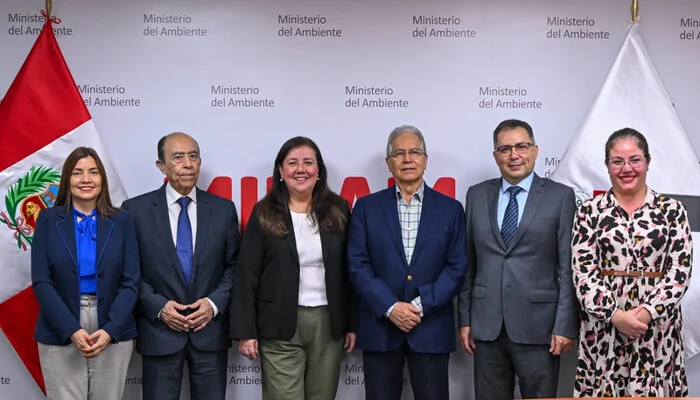
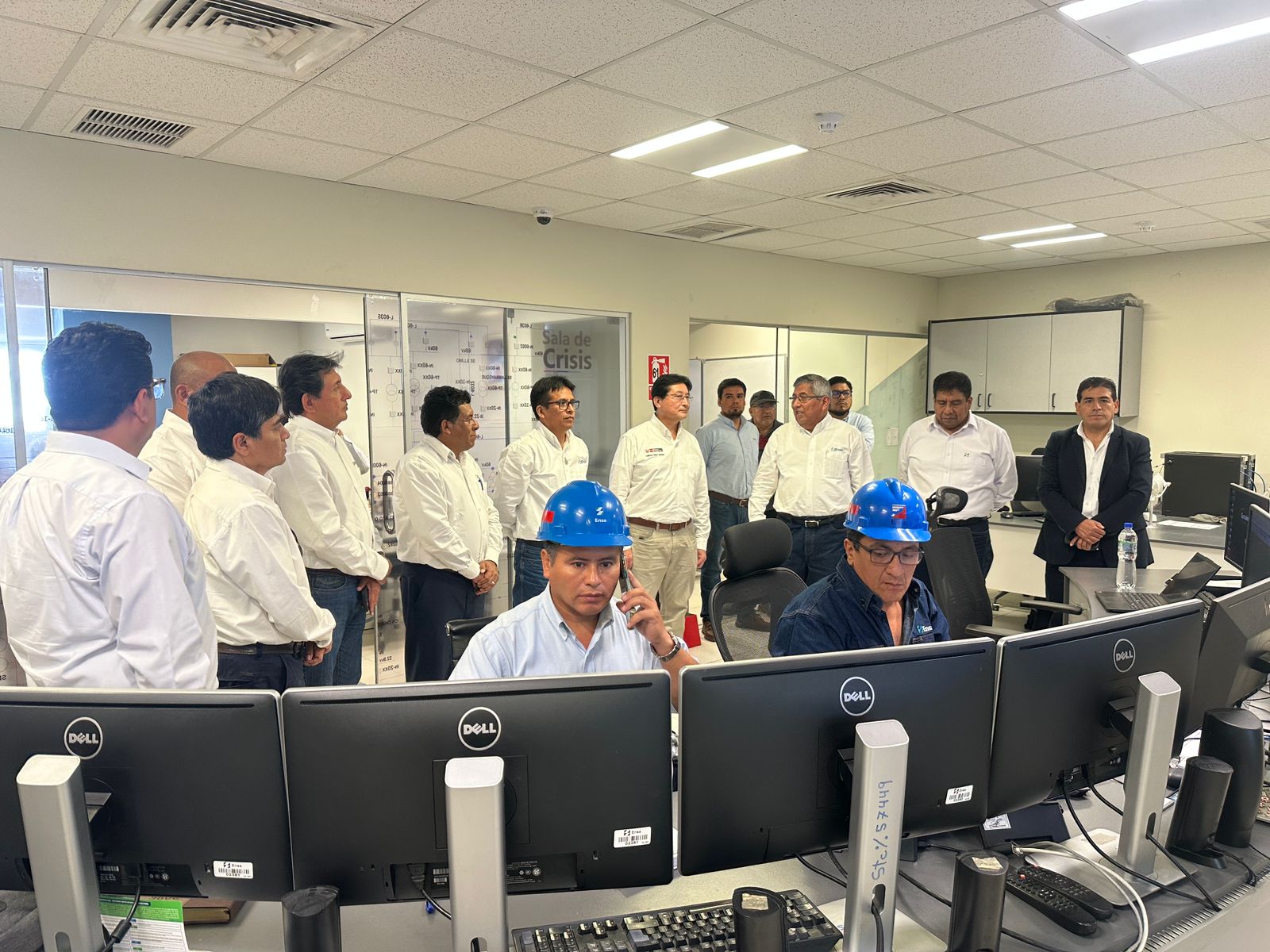
The drill was attended by high-level government officials, underscoring the national importance of the event. Minister of Energy and Mines, Guillermo Shinno Huamaní, oversaw the operation, emphasizing the necessity of alignment with the national emergency response architecture.
"We recognize that a real-world scenario will inevitably be more chaotic and demanding than a simulation," Minister Shinno stated. "However, these exercises are the bedrock of our defense. By aligning our private and public energy distributors with the Regional Emergency Operations Centers, we ensure that when the rain falls, we are not just reacting, but executing a pre-rehearsed strategy that prioritizes the most vulnerable populations first."
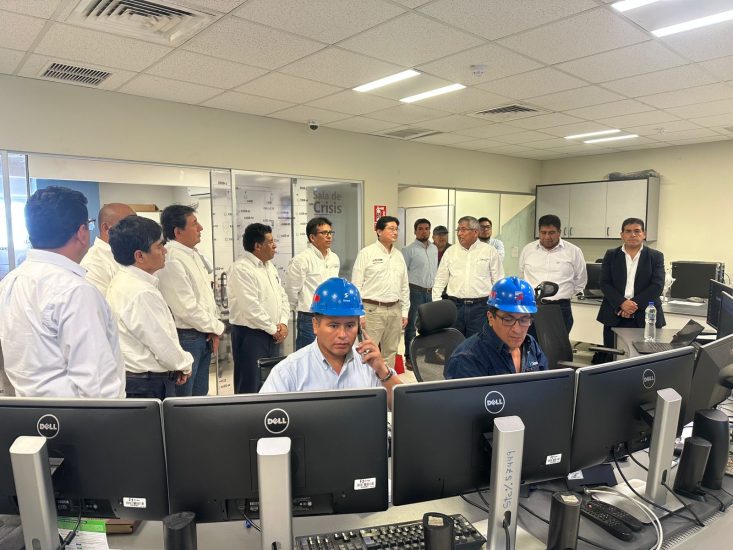
Hialmer Ordinola Calle, President of the Board of Grupo Distriluz, highlighted the moral and economic weight of the project. "Electricity is the pulse of modern society. It sustains our hospitals, secures our streets, and powers our local markets. We have chosen to prioritize this S/ 60 million investment because the cost of inaction during a major FEN event would be significantly higher in both human and financial terms."
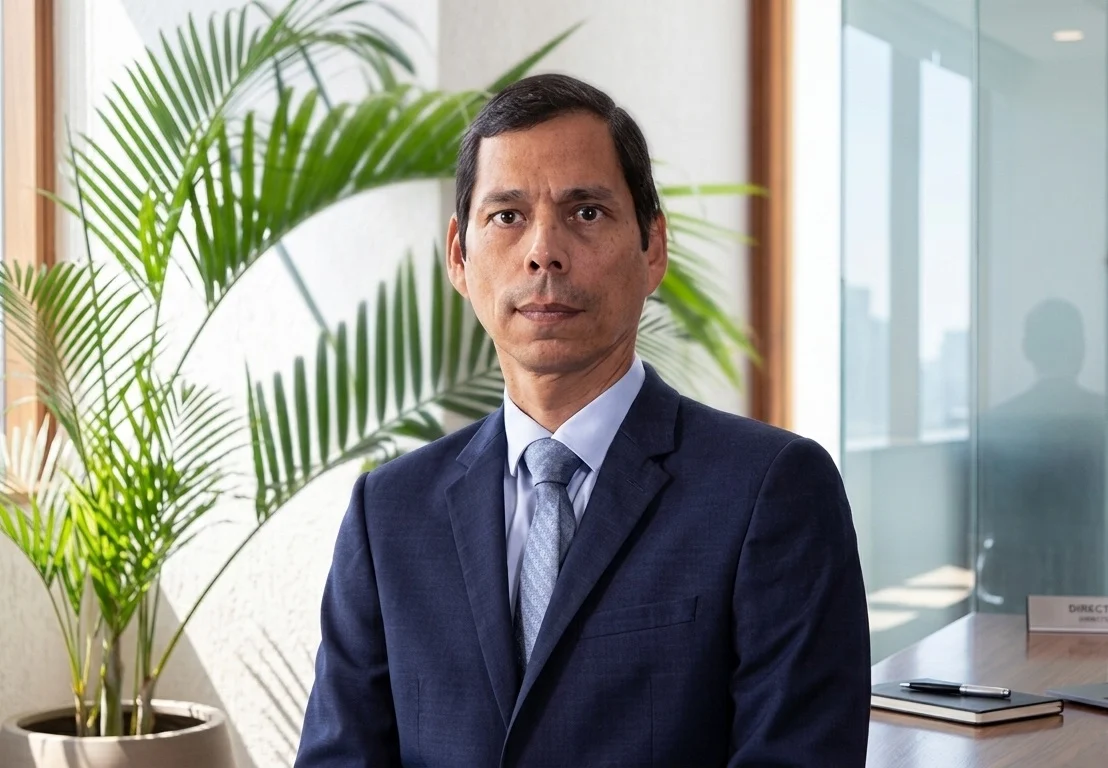
Nilton Olazábal Yenque, the acting General Manager, provided a technical summary of the findings: "The drill confirmed that our 22 operational units possess the necessary agility. We have identified our ‘weakest links’—the specific transmission poles and substations that are most prone to flooding—and we are now focusing our final construction efforts on these precise locations."
Implications for the Future: Beyond the 2027 Horizon
The implications of this exercise extend far beyond the immediate threat of El Niño. By institutionalizing these large-scale drills, Grupo Distriluz is setting a new standard for corporate governance in the utility sector. The shift from a reactive "repair-as-we-go" model to an anticipatory "hardening and prevention" model is likely to become the blueprint for other state-run industries in Latin America.
Furthermore, the integration of technology—ranging from remote sensor networks to mobile, high-capacity generation units—creates a more robust energy grid that can withstand not only weather events but also other forms of systemic stress.
A Commitment to the User
As the 2026-2027 season approaches, the citizens of northern and central Peru can take some measure of comfort in the rigor of this preparedness. The message from the Grupo Distriluz leadership is clear: while the climate remains unpredictable, the response from the energy sector will be methodical, coordinated, and resolute.
The successful completion of this exercise signals that the infrastructure backbone of the country is being fortified, ensuring that even in the face of nature’s greatest challenges, the lights remain on and the essential services that underpin the nation’s progress continue to function. The roadmap is set, the investments are active, and the personnel are ready. The challenge of El Niño is immense, but through this rigorous state-led preparation, the impact of the coming storm will be significantly mitigated.