The agricultural future of Southern Peru is currently undergoing a pivotal transformation. The "Puesta a Punto" (fine-tuning or optimization) of the Majes Siguas I project—a critical hydraulic infrastructure pillar for the Arequipa region—has entered a decisive phase. Led by the Ministry of Agrarian Development and Irrigation (MIDAGRI) through the Subsectoral Irrigation Program (PSI), this initiative represents a strategic effort to modernize, restore, and secure the operational integrity of one of the country’s most vital water management systems.
Main Facts: The Strategic Scope of the Project
The Majes Siguas I project is not merely an irrigation scheme; it is the lifeblood of the Majes and Siguas valleys. Over decades, the infrastructure has faced the inevitable wear and tear associated with large-scale hydraulic systems, including sedimentation, canal degradation, and the need for technological upgrades to meet modern water-use efficiency standards.
Currently, the project is in the critical bidding phase. This stage focuses on the selection of a firm or consortium tasked with drafting the comprehensive studies and the final technical dossier (expediente técnico). These documents are the blueprint for the physical interventions that will follow. The objective is clear: to ensure the long-term sustainability of water distribution, preventing potential structural failures and optimizing the delivery of water to thousands of hectares of high-value agricultural land.
The process is being managed with a focus on administrative rigor. By centralizing the leadership under the PSI, the government aims to streamline decision-making processes that have historically been hindered by bureaucratic fragmentation. The primary technical goal is to restore the hydraulic capacity of the system to its design parameters, ensuring that the agricultural output of the Arequipa region remains competitive in both domestic and international markets.
Chronology: A Roadmap to Modernization
The progression toward the "Puesta a Punto" has been a deliberate and multifaceted endeavor. While the project has been under discussion for years, recent months have marked a shift from planning to tangible execution.
- Preliminary Assessment Phase: Following the identification of critical points within the infrastructure, technical teams conducted extensive surveys to categorize the level of degradation and the urgency of repairs required in specific sections of the main hydraulic system.
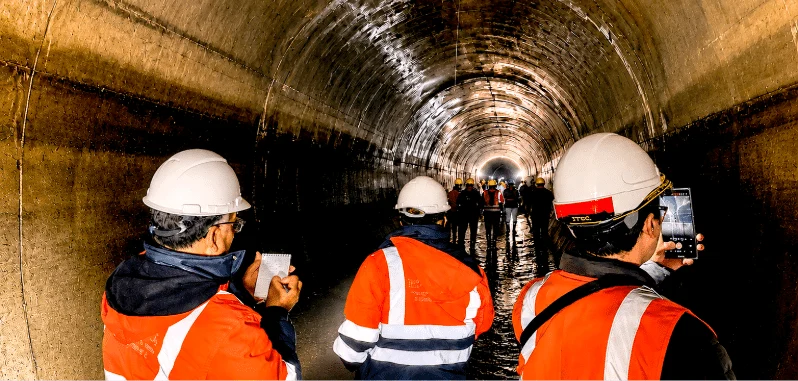
- Engagement and Transparency: A critical milestone was achieved recently when prospective bidders conducted site visits. These technical walkthroughs allowed specialized engineering firms to inspect the infrastructure firsthand. By engaging with the physical realities of the canal systems, tunnels, and intake structures, bidders were able to calibrate their proposals to the specific, rugged conditions of the Arequipa geography.
- The Bidding Window: With the site visits completed, the procurement process is now in full swing. The timeline established by the PSI suggests that, barring any unforeseen legal or administrative bottlenecks, the contract for the studies and technical dossier will be awarded before the end of the current year.
- Future Milestones: Once the technical dossier is finalized, the project will move into the procurement phase for the actual construction and rehabilitation works, a process expected to trigger a significant boost in regional engineering activity and infrastructure investment.
Supporting Data and Technical Context
The importance of Majes Siguas I cannot be overstated when looking at the numbers. As an irrigation project, it supports a diverse array of crops—ranging from export-grade grapes and avocados to alfalfa and dairy-related fodder—that contribute billions of soles to the regional GDP.

The "Puesta a Punto" is necessitated by the physical aging of the system. Hydraulic systems, particularly those that rely on trans-Andean water transfers and long-distance canal networks, are susceptible to geotechnical instabilities, seismic activity, and the natural accumulation of debris. The forthcoming technical studies are expected to utilize advanced geodetic monitoring and hydraulic modeling to provide a precise assessment of the current state of:
- Main Canal Structures: Evaluating the integrity of concrete linings and identifying areas of leakage or structural cracking.
- Hydraulic Control Gates: Modernizing the mechanical components to allow for more precise water distribution, essential during periods of water scarcity.
- Sedimentation Chambers: Assessing the need for modern desilting technologies that reduce maintenance costs and improve water quality.
The investment in these studies is not merely a repair cost; it is a mitigation strategy against the risk of catastrophic failure, which would have devastating consequences for the regional economy.
Official Responses: Institutional Synergy
A defining feature of this project is the collaboration between national and regional entities. While the Ministry of Agrarian Development and Irrigation (MIDAGRI) provides the central leadership and oversight via the PSI, the Autonomous Authority of Majes (AUTODEMA) serves as the indispensable institutional partner on the ground.
AUTODEMA’s role has been central to the success of the current phase. By providing the necessary technical and institutional data, they have ensured that the PSI’s efforts are grounded in the historical and operational reality of the system. According to official statements from the authority, their commitment remains focused on "facilitating the actions destined to recover and optimize the hydraulic infrastructure."
This synergetic approach is designed to ensure that the project is executed with maximum transparency. By maintaining an open channel of communication and providing consistent progress reports, both MIDAGRI and AUTODEMA are aiming to mitigate the skepticism that often surrounds major public works in Peru. The authorities have emphasized that every step of the process is being documented to comply with current regulatory standards, ensuring that the resulting technical dossiers will be robust enough to withstand the scrutiny of future audits and operational reviews.
Implications: The Long-Term Vision
The successful execution of the "Puesta a Punto" project carries significant implications for the future of the Arequipa region.

Economic Stability
The immediate economic impact will be felt through the injection of capital into the local construction and engineering sectors. However, the long-term impact is far more profound: the security of the water supply guarantees the viability of agricultural investments. Investors—both domestic and international—require the assurance that the water infrastructure supporting their crops is reliable and maintained to modern standards.
Environmental Resilience
In an era of climate change, where water scarcity is becoming a defining challenge, the modernization of Majes Siguas I is an environmental imperative. By reducing water loss through leakage and improving the efficiency of distribution, the project effectively increases the "available water" without the need for additional ecological disruption. This promotes a more sustainable model of agricultural development that respects the limited water resources of the arid Peruvian coast.
Institutional Legacy
If the "Puesta a Punto" is completed successfully and within the established timelines, it will serve as a model for future hydraulic infrastructure projects in Peru. It demonstrates that when a national program (PSI) and a specialized regional authority (AUTODEMA) align their objectives, complex technical challenges can be navigated efficiently. It sets a benchmark for the level of institutional cooperation required to maintain the nation’s critical infrastructure.
Social Impact
For the local farmers and the population of the Arequipa region, the project represents a promise of stability. It ensures that the water upon which their livelihoods depend will continue to flow reliably, mitigating the risks associated with infrastructure deterioration. The project is a testament to the government’s commitment to decentralized development and the empowerment of the agricultural sector.
Conclusion
The "Puesta a Punto" of Majes Siguas I is currently at a turning point. As the procurement process for the technical studies nears its conclusion, the focus shifts to the quality and precision of the engineering work that will define the future of the region’s water management. Through the coordinated efforts of MIDAGRI and AUTODEMA, the project is moving toward a more secure and efficient future.
While the challenges of maintaining such massive infrastructure are immense, the roadmap provided by the current technical phases offers a clear path forward. The successful completion of this initiative will ensure that Majes Siguas I remains a cornerstone of Peruvian agriculture, driving economic prosperity and environmental sustainability for decades to come. As the year draws to a close, all eyes will be on the final selection of the partners who will take this project from the drawing board to the field, marking the beginning of a new era for Arequipa’s most vital asset.