Introduction: A Strategic Milestone for Regional Infrastructure
In a significant move to bolster Arequipa’s logistics capacity and public safety, the Arequipa Regional Government and the Ministry of Transport and Communications (MTC) have officially signed a landmark inter-institutional cooperation agreement. This strategic partnership is set to oversee the construction of a modern roundabout (óvalo) at the critical junction where the Nueva Molina regional road meets the Pan-American Sur (Pan-American Highway).
This infrastructure project represents more than just a change in road design; it is a vital intervention intended to replace current temporary signaling with a robust, permanent engineering solution. By addressing one of the most transit-heavy intersections in the region, the project promises to reduce travel times, mitigate the risk of traffic accidents, and significantly lower operational costs for the heavy-duty trucking industry and daily commuters alike.
The Scope of the Project: Technical and Logistical Advancements
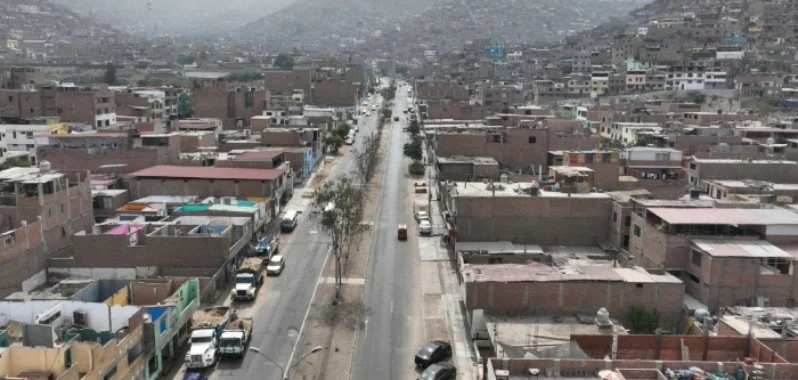
The proposed roundabout is designed to replace the current, inadequate system of temporary traffic lights that has long plagued this intersection. For years, the confluence of the Nueva Molina road and the Pan-American Sur has served as a bottleneck, forcing heavy cargo vehicles into hazardous maneuvers and causing significant congestion for local transit.
The technical specifications of the project, which will be finalized through the joint efforts of the regional and national authorities, aim to streamline the flow of vehicles traveling between the southern coast and the interior of the Arequipa region. By implementing a geometric solution—a roundabout—engineers intend to maintain a constant, fluid movement of vehicles, thereby reducing the "stop-and-go" cycles that currently inflate fuel consumption and delay delivery timelines for logistics companies.
Chronology of Development: Building Toward Modernity
The path to this agreement has been paved by a series of infrastructure successes under the current regional administration. To understand the significance of this new roundabout, it is essential to view it as the final piece of a larger puzzle:

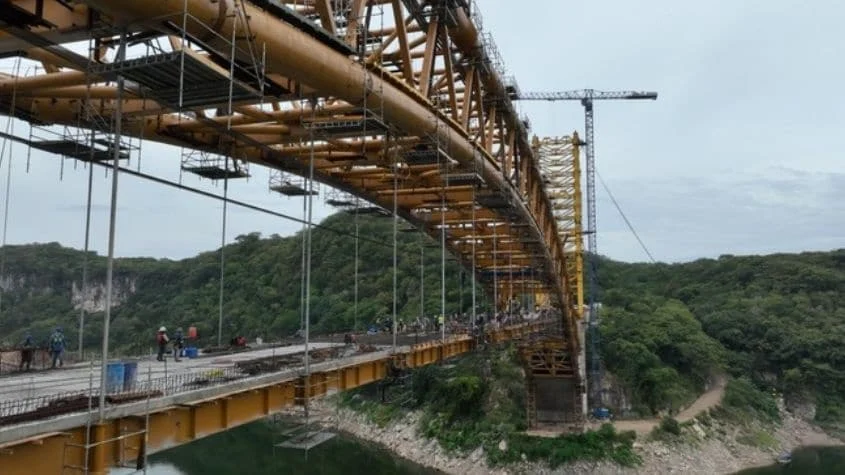
- Completion of the Virgin of Chapi Bridge: The current regional administration prioritized and successfully delivered the Virgin of Chapi bridge, a critical structure that laid the foundation for improved regional mobility.
- The Nueva Molina Expressway: Following the bridge’s completion, the regional government successfully executed the seven-kilometer high-speed section of the Nueva Molina road. This road was designed specifically to act as a vital artery connecting internal agricultural and industrial zones to the national highway network.
- The Current Bottleneck: Despite the efficiency of the new road, the intersection with the Pan-American Sur remained a point of friction, relying on provisional traffic controls.
- The Agreement (October 2026): The signing of the formal collaboration agreement between Governor Rohel Sánchez Sánchez and Vice Minister of Transport Gabriela María Carrasco Carrasco marks the transition from planning to active implementation.
- The Future Integration: This project is part of a broader vision that includes the completion of the Arequipa-La Joya highway, integrating the new roundabout into a comprehensive, high-speed regional transport corridor.
Supporting Data: Why This Project Matters
The economic and social implications of this construction are profound. Arequipa, as a major hub for mining, agriculture, and manufacturing, relies heavily on the efficiency of its road network.
- Safety Metrics: Statistics from local traffic authorities have long highlighted the intersection as a high-risk area. A roundabout is internationally recognized for its ability to reduce fatal collision points by up to 90% compared to signalized intersections, as it forces traffic to slow down and prevents high-speed "T-bone" accidents.
- Operational Efficiency: For the heavy transport sector—represented by organizations such as the Association of Heavy Load Truckers—the time saved by eliminating traffic light wait times translates directly into lower fuel emissions and reduced wear and tear on vehicles.
- Regional Integration: With the upcoming completion of the Arequipa-La Joya project, including the highly anticipated twin tunnels, the new roundabout will act as the gateway for thousands of vehicles moving toward the metropolitan center of Arequipa, effectively decentralizing traffic and preventing urban congestion.
Official Responses: A Unified Vision
The atmosphere during the signing ceremony was one of technical alignment and political commitment.
Governor Rohel Sánchez Sánchez’s Perspective
Governor Sánchez emphasized that the project is the result of persistent, high-level coordination. "Our administration has focused on the completion of pending infrastructure," he stated. "The Nueva Molina road was a milestone, but the roundabout is the necessary conclusion to ensure that the road is fully utilized. We are proving that through the mechanism of ‘Works for Taxes’ (Obras por Impuestos) and strong cooperation with the MTC, Arequipa can complete major projects that were previously stalled."
The Governor also highlighted the progress on the Arequipa-La Joya project, noting that the twin tunnels are moving forward through the regional government’s efforts, while the connecting road components are being supported by the MTC.
Vice Minister Gabriela María Carrasco’s Perspective
Vice Minister Carrasco highlighted the administrative rigor that this agreement brings to the project. "This is not merely a symbolic gesture; it is a legal and technical framework," she explained. "The agreement provides for the exchange of critical data, continuous technical oversight, and proactive risk management."

She further noted that the Ministry of Transport and Communications (MTC) is committed to providing the necessary technical assistance to ensure that the construction meets national standards for durability and safety. "We are working together to ensure that these public funds result in high-quality, long-lasting infrastructure," she added.
Implications for the Future: A Broader Infrastructure Strategy
The construction of this roundabout is a microcosm of a larger national strategy to modernize Peru’s logistics network. By improving the interface between regional roads and the Pan-American Highway, the government is effectively increasing the "throughput" of the national economy.
Economic Development
The improved connection will likely stimulate economic activity in the areas surrounding the Nueva Molina road. With faster access to the Pan-American Sur, agricultural exporters in the region will find it easier to transport perishable goods to ports or markets, reducing spoilage and logistical overhead.
Urban Planning and Quality of Life
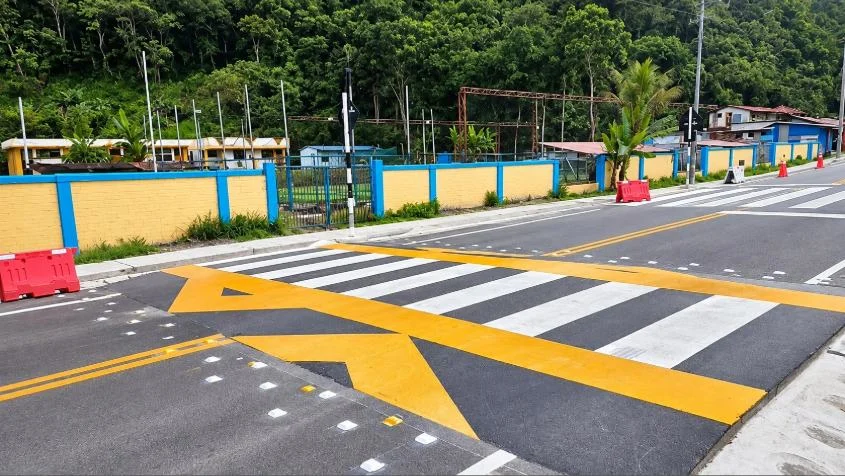
For the local population, the project signals a move toward safer, better-planned urban environments. The inclusion of pedestrian safety measures, which are often integrated into modern roundabout designs, will ensure that the local community is not cut off by the increased vehicle traffic.
A Model for Future Cooperation
Perhaps the most significant implication of this project is the model of collaboration it establishes. The willingness of the regional government and the MTC to share the burden of technical and financial responsibilities sets a precedent for future regional projects. As Peru continues to decentralize its infrastructure management, the success of this model will be closely monitored by other regions seeking to fast-track their own road improvements.

Conclusion: Toward a More Connected Arequipa
As the shovels prepare to hit the ground, the expectations from the transport sector and the public are high. The new roundabout at the Nueva Molina junction is a testament to what can be achieved when political will, technical expertise, and inter-institutional cooperation converge.
By addressing the immediate needs of road safety and traffic efficiency, the government is not just building a road; it is building a foundation for Arequipa’s future. As the region continues to grow, this project will stand as a key node in a larger, more efficient, and safer transit network, ensuring that Arequipa remains a competitive and vital player in the Peruvian economy. The commitment shown by the current leadership ensures that this project, unlike many in the past, will move from the blueprints to the tarmac, providing tangible benefits to all who traverse the historic and vital lands of Arequipa.