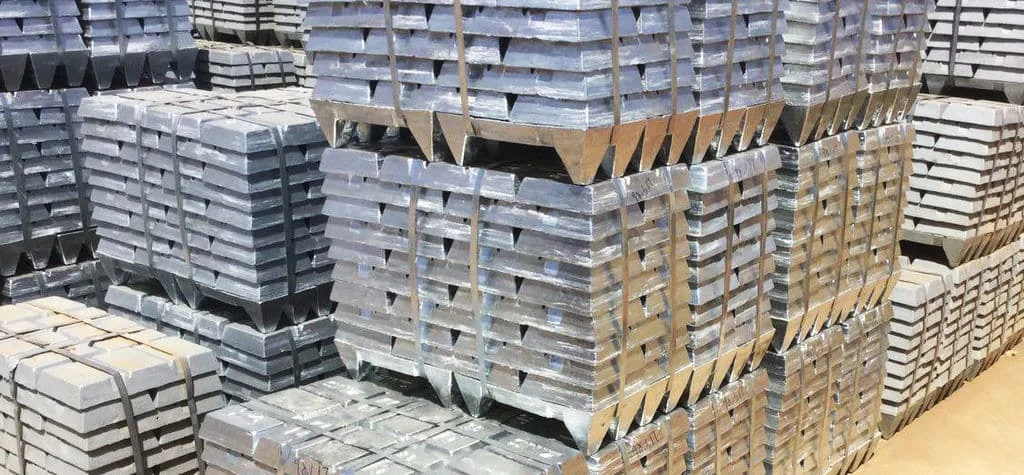
The global commodities market is witnessing a profound shift as zinc, the essential industrial metal used primarily for galvanizing steel, has surged to its highest price point since June 2022. On the London Metal Exchange (LME), the price for immediate delivery reached an impressive US$ 4,107 per metric ton (equivalent to US$ 1.86 per pound). This rally represents a staggering 55% increase from the cyclical lows observed in mid-2025, when the metal was languishing at approximately US$ 2,650 per ton.
This sharp ascent is not merely a transient market flicker; it is the culmination of a structural "squeeze" characterized by vanishing physical stocks and a tightening global supply chain. As industrial sectors from infrastructure to automotive manufacturing demand high-quality zinc, the market is finding itself starved of the very material needed to fuel economic activity.
The Anatomy of the Rally: Main Facts and Drivers
The current surge in zinc prices is being fueled by a "perfect storm" of market conditions. At the core of the issue is the decoupling of supply and demand, exacerbated by logistical hurdles and mining output reductions.
The Inventory Crisis
The most critical factor in the current price trajectory is the catastrophic depletion of LME-monitored warehouse inventories. In December 2024, LME stockpiles stood at approximately 264,000 tons. Today, those figures have plummeted to roughly 95,000 tons—a 64% reduction and the lowest level recorded since April 2023.
When LME inventories drop to such critical thresholds, the market enters a state of "backwardation," where the price for immediate delivery is significantly higher than future contracts. This is a clear signal that consumers are desperate for physical material, and the "just-in-time" supply chains that once defined the industry are proving incapable of absorbing shocks.
Regional Imbalances
While Western markets are grappling with scarcity, the global picture is nuanced. Interestingly, the Shanghai Futures Exchange (SHFE) has reported an accumulation of zinc inventories during the same period. This suggests that the current supply crunch is geographically segmented, pointing toward a significant logistical and trade-related bottleneck that prevents the efficient redistribution of global metal stocks from East to West.
Chronology: A Path to the 2026 Peak
To understand how the market arrived at this $4,100-per-ton milestone, it is necessary to track the progression of the zinc cycle over the past 24 months.
- Mid-2025 (The Trough): Prices hit a bottom of US$ 2,650. Market sentiment was characterized by fears of a global manufacturing slowdown, leading to an overestimation of supply stability.
- Late 2025 (The Warning Signs): Major mining conglomerates began signaling output difficulties. Operational challenges in Latin America, particularly in Peru and Brazil, started impacting production guidance.
- Q1 2026 (The Inventory Drain): LME warehouses began reporting consistent weekly drawdowns. The realization that existing stocks were insufficient to meet industrial demand triggered the first wave of speculative and hedging-based buying.
- Q2 2026 (The Acceleration): As production figures for the first half of the year were finalized, it became clear that the 2.1% production cut projected by analysts was not a "worst-case scenario" but a reality.
- August 2026 (The Peak): Zinc breaks through resistance levels on the LME, hitting the current US$ 4,107 peak, fueled by a realization that short-term supply will remain constricted.
Supporting Data: Mining Output and Projections
The supply side of the equation remains the most vulnerable link. According to data provided by HSBC’s global commodities team, the world is facing a contraction in output.
Global Production Outlook
HSBC projects a 2.1% year-on-year decline in global zinc production for 2026, bringing total output down to 12.5 million tons. This decline is largely attributed to:
- Grade Depletion: Older, mature mines are seeing a reduction in the quality of ore extracted, leading to higher operational costs and lower yields.
- Regulatory and Environmental Hurdles: Increasing scrutiny regarding the environmental impact of mining operations in Latin America has led to temporary suspensions and slower permitting processes.
- Capital Expenditure Constraints: Following years of price volatility, many mining firms have been cautious about investing in new, large-scale greenfield projects, preferring to focus on maintaining existing output rather than expanding.
Institutional Forecasts
JP Morgan analysts remain bullish, anticipating that prices will remain elevated throughout the remainder of 2026. Their models suggest that even with a potential cooling of global demand, the supply-side deficit is so profound that a significant price correction is unlikely in the near term. The "floor" for zinc prices has effectively shifted upward, establishing a new, higher baseline for industrial procurement.
Corporate Performance and Market Implications
The impact of the zinc rally has been most visible in the equity markets, where major producers have seen their valuations surge in lockstep with the metal’s spot price.
Equity Market Winners
Investors have flocked to companies with high exposure to zinc, viewing them as a hedge against inflation and a direct play on the commodities super-cycle:
- Nexa Resources: Leading the pack, the company has seen its share price climb by a massive 60% since January 2026.
- Teck Resources: A global heavyweight in the zinc market, Teck has registered a 47% gain in its share price year-to-date.
- Glencore: Demonstrating the strength of a diversified mining portfolio, Glencore’s shares have risen by 46%, benefiting from the price strength of its zinc assets.
Industrial Consequences
The implications for the broader economy are mixed. While mining companies are seeing record margins, the manufacturing sector—particularly the automotive and construction industries—is facing significant margin pressure. Zinc is a critical component in the galvanization process that prevents steel from rusting. As the price of zinc increases, the "input cost inflation" for steel producers is inevitably passed down to the end-user.
If prices remain above the US$ 4,000 threshold for an extended period, analysts warn of a potential "demand destruction" scenario. In such a scenario, manufacturers may be forced to seek cheaper, less durable alternatives or shift production schedules to manage costs, which could eventually cool the very rally that currently supports the industry.
Official Responses and Strategic Outlook
While no formal government intervention has been proposed, major industry bodies are closely monitoring the LME’s liquidity. The primary concern among market regulators is the potential for "cornering" the market, where a few dominant players might leverage the scarcity of physical metal to dictate terms to smaller industrial consumers.
In response to the volatility, mining majors have been vocal about the necessity of long-term investment. Executives from companies like Teck and Glencore have emphasized in recent investor calls that the current price environment validates their strategy of focusing on core assets. However, they remain cautious about declaring an end to the supply crunch, noting that bringing new production capacity online is a process that takes years, not months.
Future Scenarios
Looking ahead, the market is bracing for a period of heightened volatility. Several factors could trigger a shift:
- Inventory Recovery: A sudden influx of metal into LME warehouses would likely result in an immediate price correction.
- China’s Economic Policy: Any shifts in Chinese demand—given their position as the world’s largest consumer of zinc—could either exacerbate the current deficit or provide a buffer if domestic demand softens.
- Technological Innovation: Advances in battery technology (such as zinc-air batteries) could create an entirely new stream of demand, potentially decoupling zinc from its traditional dependence on the construction sector.
As it stands, the zinc market remains in a state of high alert. With inventories hovering at record lows and global supply struggling to keep pace with demand, the "zinc squeeze" remains one of the most compelling stories in the commodities sector for 2026. For investors and industrial players alike, the coming months will be defined by how efficiently the supply chain can stabilize—or whether the current bull market will force a total reassessment of global metal dependency.