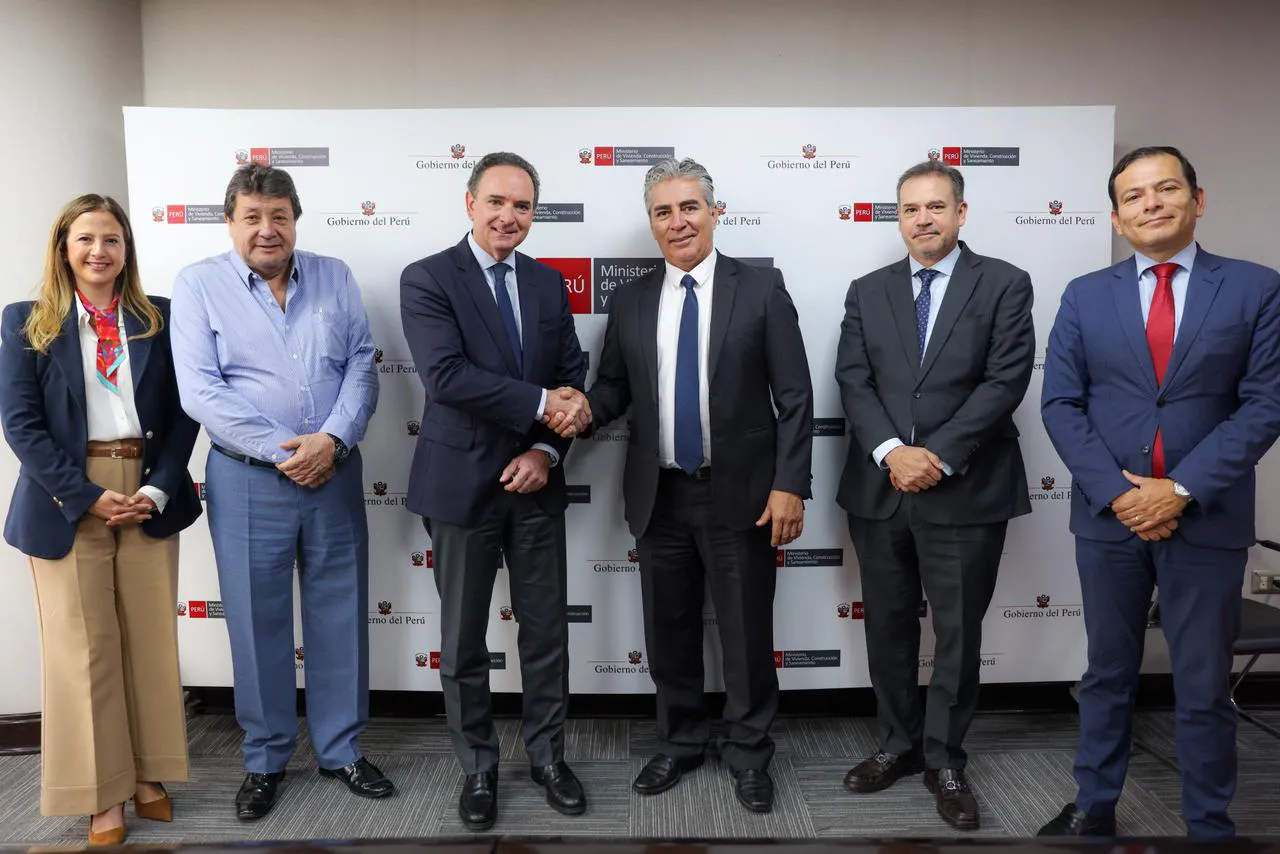
Lima, Peru – August 27, 2026 – In a significant move aimed at accelerating the closure of persistent social and infrastructure gaps, Minsur, a prominent Peruvian mining company under the umbrella of the Grupo Breca conglomerate, has formalized a strategic partnership with the Ministry of Housing, Construction, and Sanitation (MVCS). This high-level collaboration, solidified through a pivotal meeting between Minister Mauricio Arnillas and Minsur CEO Juan Luis Kruger, signals a concerted effort to address pressing needs in water, sanitation, and housing across the nation.
The meeting, held on Thursday, August 27th, underscored a shared commitment to leveraging public-private synergy to deliver tangible improvements in the quality of life for countless Peruvian families. Minister Arnillas emphasized the critical role of such alliances in overcoming the inertia that has historically hampered progress in providing essential services, particularly in underserved regions. The initiative is poised to unlock new avenues for investment and project execution, directly impacting communities that have long awaited vital infrastructure development.
This collaboration is not an isolated event but rather a logical extension of Minsur’s established dedication to corporate social responsibility and its proven track record in community development. The mining sector, often a cornerstone of regional economies, is increasingly recognizing its integral role in fostering sustainable development beyond its core extractive operations. Minsur’s proactive engagement with the MVCS highlights a forward-thinking approach, acknowledging that shared prosperity is intrinsically linked to the well-being and basic needs of the populations residing in the areas where they operate.
A Foundation of Past Successes: Minsur’s Commitment to Community Infrastructure
Minsur’s commitment to improving living conditions through infrastructure development is well-documented. A prime example of this dedication can be seen in the 2021 sanitation project undertaken in the district of Antauta, located in the Puno region. This ambitious initiative, financed entirely by Minsur, represented an investment of 13 million Peruvian soles and directly benefited approximately 3,700 inhabitants. The project provided essential access to safe and modern sanitation facilities, a fundamental human right that had been lacking for many in the community.
Beyond this specific intervention, Minsur has consistently demonstrated its engagement with innovative funding mechanisms designed to facilitate public infrastructure development. The company has been repeatedly recognized for its active participation in the "Obras por Impuestos" (Works for Taxes) program. This Peruvian fiscal incentive allows private companies to undertake public works projects and receive tax credits in return, effectively accelerating the delivery of much-needed infrastructure while simultaneously allowing companies to fulfill their social responsibilities. Minsur’s consistent utilization of this mechanism speaks volumes about its strategic vision to contribute to national development goals.
The mining company’s focus on infrastructure development is not arbitrary. It is intrinsically linked to the regions where Minsur operates, with a particular emphasis on Puno. This southern Andean department is home to Minsur’s significant tin mine, San Rafael, one of the largest of its kind globally. Recognizing the symbiotic relationship between mining operations and local communities, Minsur has strategically directed its development efforts towards enhancing the quality of life in these areas, fostering a more robust and sustainable environment for all stakeholders. This approach goes beyond mere compliance, demonstrating a genuine desire to be a positive force for change.
Charting a Course for Progress: The Strategic Importance of the "Obras por Impuestos" Framework
The recent elevation of the execution capacity for projects under the "Obras por Impuestos" framework by the Peruvian government to approximately 70 billion soles for the 2026-2027 period is a testament to the recognized power of private sector involvement in bridging infrastructure deficits. This substantial increase in the program’s potential underscores a national acknowledgment that the private sector possesses the resources, expertise, and efficiency to meet the population’s infrastructure demands within realistic timelines.
This policy shift is critical. Peru, like many developing nations, faces a significant infrastructure gap that impacts economic growth, social equity, and overall citizen well-being. Traditional public funding mechanisms, while essential, often struggle to keep pace with the escalating needs and the complexities of project execution. The "Obras por Impuestos" program, by incentivizing private investment, creates a powerful engine for development. It allows companies to directly contribute to the communities that host their operations, fostering a sense of shared ownership and responsibility.

The expanded capacity of "Obras por Impuestos" creates a more fertile ground for collaborations like the one between Minsur and the MVCS. It provides a clear and attractive pathway for companies to invest their capital and technical know-how in critical sectors such as water, sanitation, education, and health. For Minsur, this framework aligns perfectly with its long-term vision of sustainable development and its commitment to being a responsible corporate citizen. The company’s proactive engagement with the Ministry signals its readiness to capitalize on these enhanced opportunities.
Minister Arnillas’ Vision: A Call for Unified Action and Sustainable Development
Minister Mauricio Arnillas, a vocal advocate for inclusive development, has consistently highlighted the imperative of inter-sectoral collaboration to address Peru’s multifaceted challenges. His meeting with Juan Luis Kruger represents a concrete step towards translating this vision into actionable projects. Minister Arnillas’ emphasis on the importance of "sumar esfuerzos" (joining forces) between the state and the private sector resonates deeply with the current socio-economic landscape of Peru.
"We are at a critical juncture where accelerated action is paramount," Minister Arnillas stated during the meeting. "The Peruvian people deserve access to basic services that are not only functional but also sustainable and of high quality. The private sector, with its innovation and capacity for efficient project execution, is an indispensable partner in achieving this goal. Our collaboration with Minsur exemplifies this understanding, and we are optimistic about the transformative impact this alliance will have on communities, particularly in areas with the greatest need."
The Minister further elaborated on the strategic objectives of this partnership, emphasizing that the focus will be on projects that yield the most significant and lasting impact on the lives of citizens. This includes not only the provision of new infrastructure but also the improvement and expansion of existing systems to ensure their long-term viability and efficacy. The MVCS, under Minister Arnillas’ leadership, is committed to streamlining bureaucratic processes and providing the necessary regulatory support to facilitate the rapid and successful implementation of these joint initiatives.
Juan Luis Kruger: Minsur’s Commitment to Shared Prosperity and Regional Development
Juan Luis Kruger, CEO of Minsur, articulated the company’s unwavering commitment to contributing to Peru’s social and economic progress. His participation in the meeting with Minister Arnillas underscores Minsur’s strategic alignment with the government’s development agenda.
"At Minsur, we believe that our responsibility extends far beyond the extraction of mineral resources," stated Kruger. "We are deeply invested in the well-being of the communities where we operate and in the sustainable development of Peru as a whole. The partnership with the Ministry of Housing, Construction, and Sanitation is a natural progression of our commitment to addressing critical social infrastructure needs. We are particularly focused on improving access to water, sanitation, and housing, which are fundamental to human dignity and economic opportunity."
Kruger highlighted Minsur’s operational presence in Puno as a key driver for its engagement in the region. "Our San Rafael mine in Puno is a significant operation, and we recognize the profound impact that our presence has on the local economy and society. We are committed to ensuring that this impact is overwhelmingly positive. By collaborating with the MVCS, we aim to leverage our experience and resources to implement impactful projects that will leave a lasting legacy in Puno and other regions where we have a presence."
He further elaborated on Minsur’s strategic approach, emphasizing the importance of a holistic view of development. "We are not just looking at individual projects; we are looking at creating sustainable ecosystems of well-being. This means ensuring that the infrastructure we help build is maintained, that communities are empowered to manage these resources, and that these improvements contribute to broader economic development. The ‘Obras por Impuestos’ mechanism is a powerful tool that allows us to integrate our social responsibility goals with tangible, measurable outcomes."
Implications and Future Outlook: A New Era of Collaborative Development
The alliance between Minsur and the Ministry of Housing, Construction, and Sanitation marks a significant turning point in Peru’s approach to addressing its development challenges. The implications of this partnership are far-reaching and signal a potential new era of collaborative development.
1. Accelerated Infrastructure Delivery: By combining the financial capacity and project management expertise of Minsur with the governmental mandate and regulatory framework of the MVCS, the pace of infrastructure development is expected to significantly accelerate. This is particularly crucial for closing the persistent gaps in water and sanitation services, which disproportionately affect rural and marginalized communities.
2. Enhanced Social Impact: The focus on water, sanitation, and housing directly addresses fundamental human needs. Improvements in these areas have a cascading effect on public health, educational attainment, and economic productivity. Children are healthier, allowing them to attend school more regularly. Adults have more time and energy to engage in economic activities when basic needs are met.
3. Strengthened Public-Private Partnerships: This collaboration serves as a model for future partnerships between the state and the private sector. It demonstrates that by aligning interests and fostering trust, significant progress can be achieved in areas where traditional approaches have fallen short. The success of this alliance could inspire other companies to engage more actively in "Obras por Impuestos" and similar initiatives.
4. Regional Development Focus: Minsur’s commitment to its operational regions, particularly Puno, ensures that the benefits of this partnership will be felt at the local level. This targeted approach is essential for addressing the unique needs of different regions and ensuring equitable development across the country.
5. Long-Term Sustainability: The emphasis on sustainable projects implies a commitment to ensuring that the infrastructure developed is not only built but also maintained and managed effectively. This forward-thinking approach is critical for realizing the long-term benefits of these investments and preventing the recurrence of infrastructure failures.
In conclusion, the strategic alliance between Minsur and the Peruvian Ministry of Housing, Construction, and Sanitation is a beacon of hope for a more developed and equitable Peru. It represents a powerful fusion of private sector innovation and public sector commitment, poised to deliver tangible improvements in the lives of countless citizens and to serve as a compelling blueprint for future collaborative endeavors aimed at building a stronger, more prosperous nation. The coming years will undoubtedly reveal the full transformative potential of this vital partnership.