The landscape of urban mobility in Peru is poised for a significant transformation. In a strategic move to fast-track the implementation of a passenger rail service between Lima and Chosica, the Ministry of Transport and Communications (MTC) has officially delegated the management of the Central Railway (Ferrocarril del Centro) contract to the Private Investment Promotion Agency (ProInversión).
This pivotal decision, formalized through the signing of Addendum No. 1 to the Delegation of Competencies Agreement on August 28, empowers ProInversión to act as the Public Titular Entity for the project throughout the execution phase of the concession. This shift is intended to consolidate the technical, legal, and financial expertise necessary to overcome long-standing bottlenecks and finally deliver a mass transit solution for the thousands of commuters navigating the Lima-East corridor daily.
A Strategic Mandate: Leading the "Addendum 11" Process
The core responsibility assigned to ProInversión is the leadership of the critical Addendum No. 11. This legal instrument is essential to modifying the existing concession contract, which was originally signed in September 1999. The addendum will define the technical and economic conditions required to integrate passenger services into the existing freight-focused infrastructure managed by Ferrovías Central Andina S.A.
By centralizing the management of this contract, the government aims to streamline decision-making. ProInversión, known for its capacity to structure complex public-private partnerships, will now be responsible for overseeing the investments proposed by the concessionaire in August 2025. These investments are specifically earmarked for the infrastructure upgrades needed to make the Lima-Chosica passenger route a reality.
The Scope of Delegation: Responsibilities and Boundaries
While this delegation represents a major shift in project governance, it is defined by clear legal boundaries. The agreement is strictly temporary, remaining in effect until the expiration of the current concession contract. Furthermore, the MTC has explicitly clarified that the transfer of management duties does not equate to a transfer of asset ownership.
Key constraints of the delegation include:
- Asset Retention: The MTC retains full ownership of all concession assets and existing project budgets.
- Contractual Non-Delegables: ProInversión does not inherit responsibilities regarding guarantees, insurance policies, or specific retributions that are mandated by law as non-delegable functions of the Ministry.
- Documentation Handover: As part of the transition, the MTC is obligated to deliver all comprehensive legal, technical, and financial documentation related to the Ferrocarril del Centro to ProInversión within a maximum period of 60 business days.
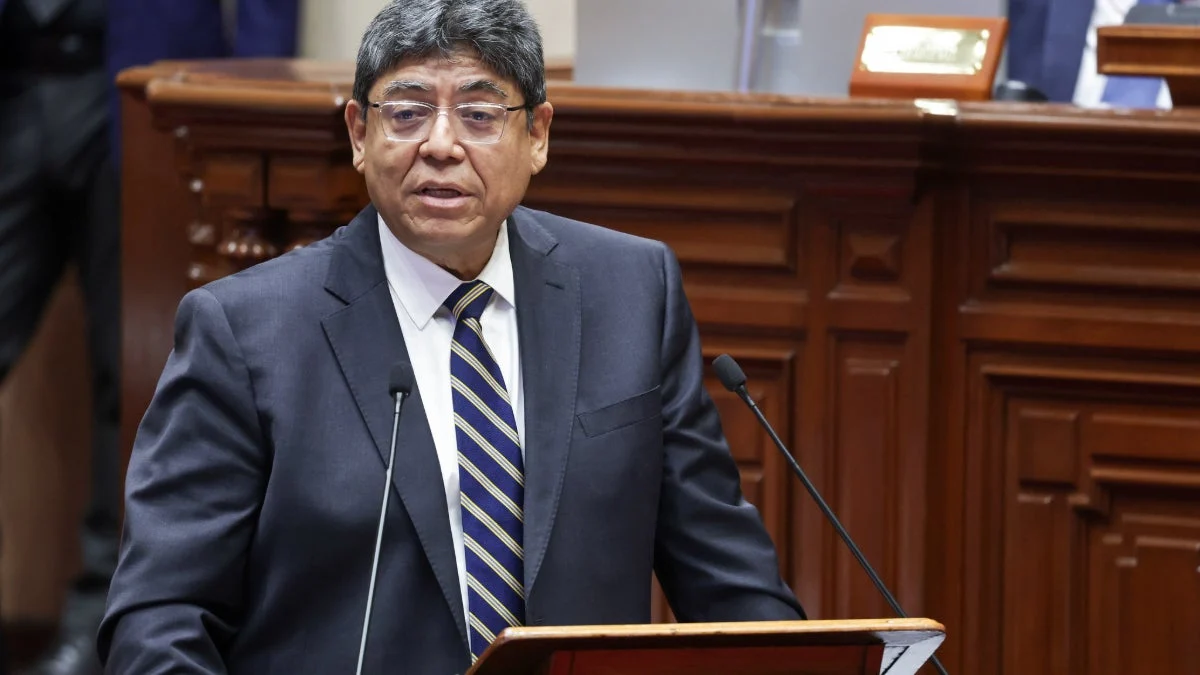
Luis Del Carpio, Executive President of ProInversión, emphasized the strategic importance of this move: "Our objective is to contribute to making a mass transit alternative—safe, reliable, and efficient—a reality for the citizens of Lima and Chosica. By concentrating our specialized capabilities, we are setting the stage to resolve the logistical hurdles that have previously stalled progress."
A Chronology of the Lima-Chosica Rail Initiative
The quest for a passenger train serving the Lima-Chosica axis has been a long and often contentious journey. To understand the current momentum, one must look at the recent history of the project, marked by international acquisitions and political debate.
The Caltrain Acquisition
The project gained significant political and public visibility during the administration of former Lima Mayor Rafael López Aliaga. In an effort to secure the necessary rolling stock, the Municipality of Lima brokered an agreement with the American rail operator Caltrain to procure surplus equipment.
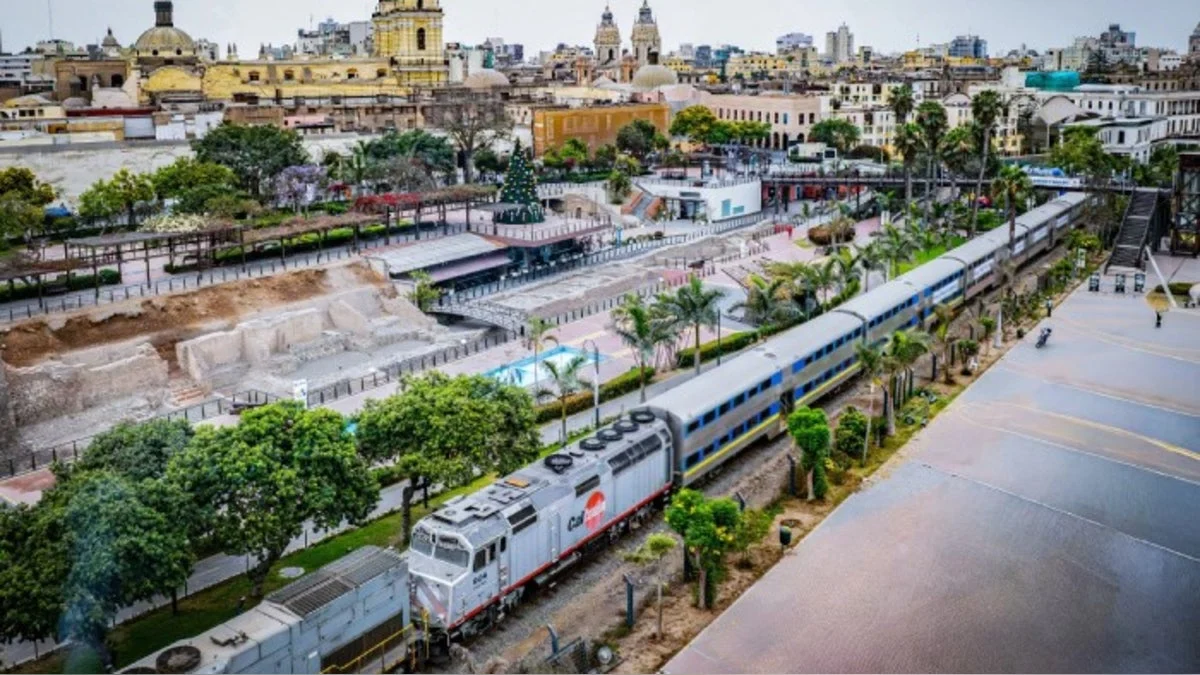
- November 2024: Reports confirmed the acquisition of a fleet comprising 19 diesel locomotives and 93 passenger cars. These units, manufactured between 1985 and 1987, were phased out of service by Caltrain as it transitioned toward a fully electrified rail system.
- June 2025: The first shipments of the fleet began their journey from the United States, destined for the Port of Callao.
- July 2025: The Municipality of Lima unveiled the first batch of equipment, consisting of 43 passenger cars and 11 locomotives. The original vision was to establish a route connecting Chosica to the historic Estación Desamparados in downtown Lima, with long-term plans to extend the line toward the Port of Callao.
The "Donation vs. Purchase" Controversy
One of the most complex chapters in this project involves the nature of the transaction with Caltrain. While the rolling stock was often referred to in public discourse as a "donation," recent official statements have introduced a layer of ambiguity that has fueled political friction.
In August 2026, the Minister of Transport, Rafael Rey, made a significant claim during a media interview with RPP, asserting that the trains were not donated but were, in fact, purchased by the Municipality of Lima. Minister Rey stated that the municipal government had made a direct payment to the American operator to secure the assets.
The Municipality of Lima promptly countered this narrative, maintaining that the Minister’s assessment was premature and suggesting that he lacked the full technical and legal documentation of the transaction. The debate reached a peak during scrutiny by the National Jury of Elections (JNE), which was investigating issues related to municipal governance. Ultimately, the JNE did not issue a formal ruling on the financial nature of the train acquisition, noting that the status of the procurement was outside the scope of the specific vacancy proceedings they were reviewing.
Implications for Lima’s Urban Development
The delegation of the Ferrocarril del Centro contract to ProInversión is more than just a bureaucratic reshuffle; it is a signal that the national government is prioritizing the project’s viability. The integration of passenger transit into a corridor dominated by freight rail presents unique technical challenges, particularly regarding signaling, track priority, and passenger safety.
1. Reducing Traffic Congestion
The Lima-Chosica route is one of the most heavily congested corridors in the capital. A reliable, high-capacity rail service could divert thousands of passengers from overcrowded buses and informal transport, significantly reducing travel times for residents of Lima Este.
2. Economic Impact
By leveraging existing infrastructure, the project represents a potentially cost-effective solution compared to the massive capital expenditure required for new subway lines. However, the success of the project hinges on the successful negotiation of "Addendum 11," which must balance the needs of the current freight concessionaire with the requirements of a modern passenger service.
3. Institutional Alignment
The friction between the Ministry of Transport and the Municipality of Lima regarding the procurement of the train fleet underscores the need for a unified institutional vision. By placing ProInversión in the driver’s seat for the contractual execution, the government is attempting to impose a singular, technical standard on the project, effectively insulating it from further political bickering.
Conclusion: The Road Ahead
As ProInversión begins its management of the Central Railway contract, the focus will undoubtedly shift to the technical feasibility studies and the rigorous negotiations required to finalize Addendum 11. The arrival of the American-made locomotives and cars in the Port of Callao serves as a physical reminder of the project’s potential.
For the residents of Lima and Chosica, the wait for a modern passenger train has been long and marked by uncertainty. However, with the national government’s commitment to centralizing the project’s management and the deployment of specialized teams to handle the concession’s complexities, the vision of a functional, efficient rail link between the capital and its eastern districts is now closer to reality than at any point in the last decade. The coming months will be decisive as ProInversión maneuvers through the legal and technical requirements to finally bring the Lima-Chosica rail project to fruition.