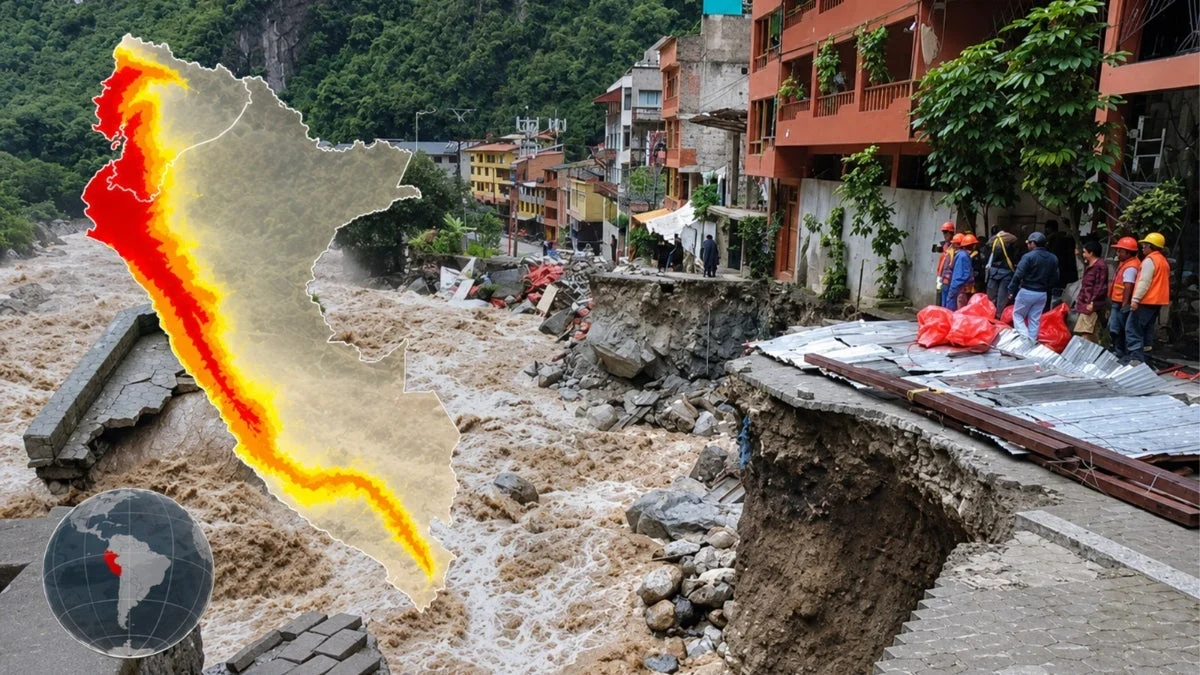
In an era defined by accelerating climate volatility, the Peruvian business landscape faces a critical inflection point. As the frequency of the El Niño Phenomenon (FEN) intensifies, shifting from historical intervals of 19 years to a mere six-year cycle, the resilience of the nation’s corporate infrastructure is being put to the ultimate test. Recent data from Avla Perú and the Central Reserve Bank of Peru (BCRP) paints a sobering picture: while awareness is high, the integration of robust financial protection into corporate risk management strategies remains alarmingly low.
The Reality of Exposure: A Fragile Supply Chain
The vulnerability of Peru’s economy is not merely a matter of physical damage to brick-and-mortar assets. It is a systemic threat to the integrity of global and local supply chains. Agroindustry, manufacturing, commerce, and transportation form the backbone of the Peruvian economy, yet these are the very sectors most susceptible to the catastrophic effects of heavy rainfall, flash floods, and huaicos (debris flows).
When a major artery—such as the Pan-American Highway—is severed, or a primary processing plant is forced to shutter due to flooding, the impact cascades. Suppliers lose their outlet, retailers face inventory depletion, and cash flow—the lifeblood of any enterprise—is choked. Avla Perú warns that the mindset of viewing natural disasters as "exceptional events" is a strategic failure. In the modern climate context, these disasters are inevitable disruptions that demand proactive financial hedging, not reactive crisis management.
Chronology of a Growing Crisis
The trajectory of climate-related disruption in Peru is marked by increasingly severe milestones that have forced the hand of both the public and private sectors.
- 1997-1998: The "Super El Niño" event. This period remains a benchmark for the destructive potential of climate change in Peru, resulting in widespread infrastructure collapse and a massive economic contraction in the northern coastal regions.
- 2017: The Niño Costero Awakening: The 2017 Niño Costero served as a traumatic wake-up call for the insurance industry. According to the Superintendencia de Banca, Seguros y AFP (SBS), this event alone triggered a reserve of over 16,000 insurance claims, amounting to approximately US$660 million. This period exposed the fragility of the country’s logistical backbone, proving that even major urban centers were not immune to the devastation.
- 2023-2024: The Shift in Frequency: Recent analysis by global risk advisor Marsh highlights a fundamental change in the climate rhythm. The reduction of the FEN cycle to six years suggests that the "recovery phase" for many businesses is being interrupted by subsequent events, preventing a return to long-term stability and growth.
- Present Day: As of 2024, the focus has shifted toward institutionalized prevention. With 83% of non-financial companies now reporting the adoption of some form of preventive measure, the corporate sector is finally acknowledging the new reality. However, the gap between operational prevention and financial security remains a glaring deficit.
Supporting Data: The Insurance Gap
The disparity between the perceived threat and the actual financial coverage is one of the most significant risks to the Peruvian economy. Current data reveals a startling lack of preparedness:
- Low Insurance Penetration: The insurance market in Peru contributes a mere 2% to the national GDP. This lags significantly behind the Latin American average of 3.3% and is dwarfed by the global average of 7.2%.
- The Coverage Void: Despite the high risk of infrastructure damage, only 24.3% of national highways in Peru are currently protected by insurance policies.
- The Financial Protective Barrier: Avla Perú estimates that a negligible 5% of Peruvian companies possess comprehensive insurance specifically designed to mitigate the financial fallout of natural disasters.
- Corporate Actions: According to the BCRP, of the 345 companies surveyed, 42% are establishing alternative logistics routes, 41% are formalizing business continuity plans, and 40% are physically reinforcing facilities. Notably, in the northern regions, this reinforcement figure rises to 94%, reflecting the acute awareness of the northern business community.
Official Perspectives: Shifting the Paradigm
Walter Fernández, General Manager of Avla Perú, has been a vocal critic of the traditional corporate approach to risk. "The principal error of a company is to think that natural disasters are exceptional events that will not happen again," Fernández states. He emphasizes that resilience is not merely about sandbags and reinforced roofs; it is about financial architecture.
For leadership teams, the mandate is clear: prevention must be an integral component of the financial strategy, not an afterthought following a catastrophe. The cost of a premium is a predictable operational expense, whereas the cost of a total loss without coverage is an existential threat that can bankrupt a company in weeks.
The government, through the SBS and various regulatory bodies, has encouraged the formalization of these protections. However, the burden of change lies with the private sector to move beyond basic physical hardening and toward comprehensive risk transfer mechanisms.
Implications for the Future
The implications of failing to close the "resilience gap" are far-reaching.
Economic Stability and Credit Risk
If a significant portion of the business community remains uninsured, the banking sector faces increased credit risk. When businesses cannot recover from a disaster, loans go unpaid, creating a contagion effect that can destabilize the financial system. This is why financial regulators are increasingly viewing disaster insurance as a requirement for systemic stability rather than a voluntary corporate expense.
Regional Disparity
The risk is not distributed equally. Regions such as Piura, Tumbes, Lambayeque, La Libertad, Ancash, and Lima are hotspots for climate-related damage. For businesses located in these corridors, the failure to secure insurance is essentially a gamble with the company’s future. These regions, which are essential for agricultural exports and manufacturing, require a specialized, localized approach to insurance that accounts for their unique geography and susceptibility to the FEN.
The Evolution of Business Strategy
The shift in the frequency of El Niño is forcing companies to reimagine their business models. Many are moving toward:
- Supply Chain Diversification: Moving away from single-source suppliers in high-risk zones.
- Digital Continuity: Investing in cloud infrastructure that allows operations to shift geographically in the event of a physical shutdown.
- Financial Resilience: Utilizing Parametric Insurance—a type of insurance that pays out based on the intensity of a trigger (like the level of rainfall or a specific temperature) rather than the damage assessment, allowing for faster liquidity when it is needed most.
Conclusion: A Call to Action
The data is unequivocal. Peru is moving into a period of heightened climate uncertainty where the status quo is no longer sustainable. The 83% of companies currently adopting preventive measures are moving in the right direction, but the 5% figure for insurance coverage is a critical vulnerability that must be addressed.
To bridge this gap, businesses must view their insurance portfolios as a strategic asset. The resilience of the Peruvian economy depends on the ability of its private sector to absorb shocks, recover rapidly, and continue operations despite the volatility of the natural world. As the cycle of climate events shortens, the cost of inaction will only continue to rise, leaving those who remain unprepared at the mercy of the next inevitable surge. The path forward requires a fusion of physical preparedness and financial fortitude—a strategy that recognizes that in the face of climate change, the best defense is a proactive, insured, and diversified offense.