Main Facts: The September 3rd Exchange Rate Landscape
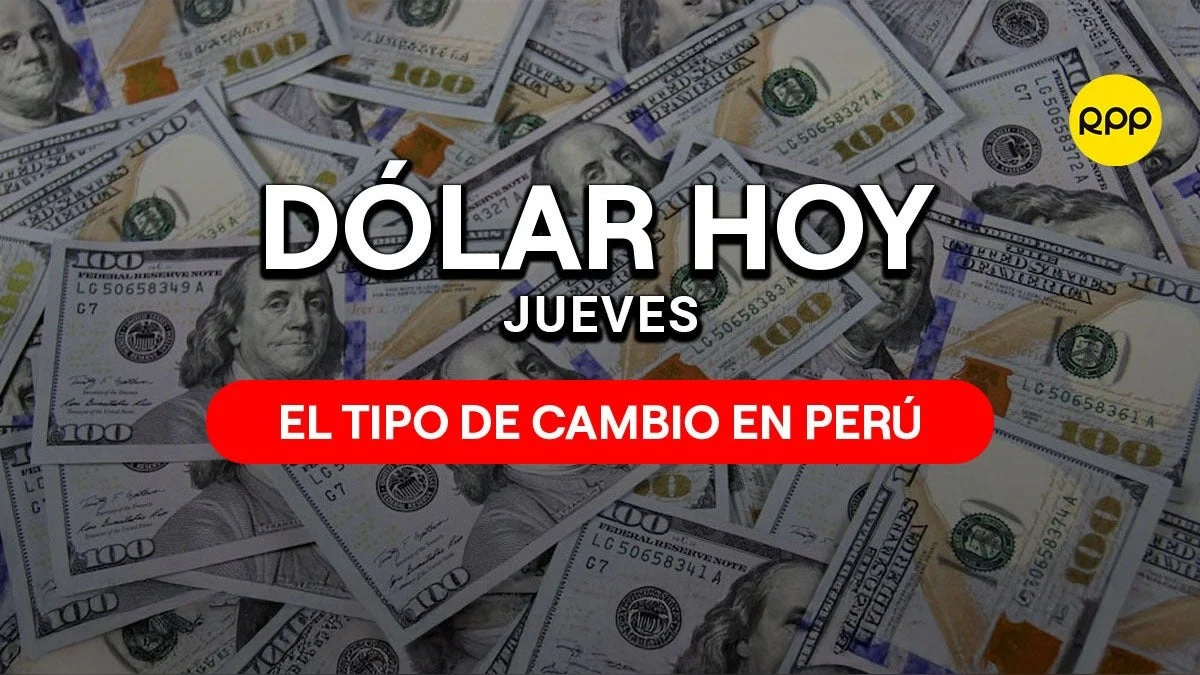
As of Thursday, September 3, the exchange rate in Peru has been officially pegged at S/3.36 per U.S. dollar, according to data provided by the Central Reserve Bank of Peru (BCRP). This figure serves as a vital benchmark for both domestic commerce and international trade, reflecting the current equilibrium between market demand for foreign currency and the supply available within the national financial system.
For the average citizen, the price of the dollar is more than just a number on a screen; it is a barometer of economic health. When the exchange rate remains stable, as seen in this early September reporting, it signals that the local economy is successfully absorbing external shocks and that inflationary pressures—often driven by the cost of imported goods—are being kept under control.
The BCRP, under the leadership of its governing board, continues to play a pivotal role in ensuring that these fluctuations do not spiral into volatility that could threaten the nation’s macroeconomic stability. By operating within a framework of a floating exchange rate regime, the BCRP does not dictate a fixed price, but rather intervenes to prevent erratic movements that could disrupt the confidence of investors and the purchasing power of the Peruvian population.
The Role of the BCRP: Guardian of Monetary Stability
To understand why the S/3.36 figure is significant, one must first understand the mandate of the Central Reserve Bank of Peru. The BCRP is an autonomous constitutional body whose primary objective is to preserve monetary stability. In the context of Peru’s history—marked by periods of hyperinflation in the late 1980s—the BCRP has evolved into one of the most respected institutions in Latin America.
The Mechanism of Intervention
The BCRP does not "fix" the price of the dollar. Instead, it employs a system known as a "dirty float" or managed float. While market forces of supply and demand dictate the value of the Sol against the U.S. dollar, the BCRP enters the market as a major player to smooth out excessive volatility.
If the dollar experiences a sudden, sharp appreciation due to speculative panic or international market turmoil, the BCRP may sell dollars from its substantial international reserves to increase the supply and lower the price. Conversely, if the dollar drops too rapidly, threatening the competitiveness of Peruvian exports, the bank may buy dollars to bolster the price. These interventions are strategic, measured, and intended to provide a "cushion" rather than to fight long-term global trends.
Why Stability Matters
The stability of the Sol is not merely an academic exercise for economists; it is a necessity for the survival of small and medium-sized enterprises (SMEs). A large portion of Peru’s industrial inputs, technology, and fuel are imported in dollars. If the exchange rate were to swing violently, companies would be unable to plan their budgets or set pricing for their products, leading to a freeze in investment and potential job losses. By maintaining a predictable currency environment, the BCRP allows the private sector to function with the confidence necessary for growth.
Chronology of Economic Management in Peru
The stability observed on September 3rd is not a coincidence; it is the culmination of decades of disciplined monetary policy.
- The Early 1990s (The Foundation): Following the stabilization programs of the early 90s, the BCRP was granted full constitutional autonomy. This move effectively separated monetary policy from political interference, a cornerstone of the country’s subsequent growth.
- The Commodities Boom (2003–2013): During this decade, Peru experienced unprecedented growth fueled by high mineral prices. The BCRP used this time to aggressively accumulate international reserves, creating a "war chest" that would later prove essential during global crises.
- The Global Financial Crisis (2008–2009): When the U.S. subprime mortgage crisis shook the globe, the BCRP’s intervention strategies were put to the test. They successfully prevented the local currency from crashing, proving the efficacy of their reserve-management strategy.
- The Modern Era (2015–Present): In recent years, the BCRP has shifted its focus to managing the impacts of global interest rate hikes by the U.S. Federal Reserve. By fine-tuning the interest rate and intervening in the spot market, the BCRP has maintained the Sol as one of the most stable currencies in the emerging market landscape.
Supporting Data: Analyzing the Macroeconomic Environment
To fully grasp the significance of the S/3.36 rate, we must look at the broader macroeconomic indicators that the BCRP monitors daily.
1. International Reserves
Peru maintains one of the healthiest reserve-to-GDP ratios in the region. As of September 2020, the BCRP’s net international reserves (NIR) stood at levels sufficient to cover more than 18 months of imports. This provides the bank with the "dry powder" needed to intervene in the market whenever the exchange rate experiences speculative volatility.
2. Inflation Targeting
The BCRP operates under an inflation-targeting framework, typically aiming for a range of 1% to 3%. The exchange rate is a key variable in this target because a weaker Sol immediately translates into higher prices for imported goods like wheat, soy, and fuel, which can drive "imported inflation." By keeping the exchange rate relatively stable, the BCRP effectively anchors inflation expectations.
3. Trade Balance and Global Commodity Prices
Peru remains heavily dependent on mining exports—specifically copper and gold. When global prices for these commodities are high, the influx of dollars into the Peruvian economy naturally strengthens the Sol. The BCRP’s role is to ensure that this appreciation happens gradually, allowing the economy to adjust without the "Dutch Disease" that has plagued other resource-dependent nations.
Official Responses and Strategic Outlook
In recent statements, BCRP officials have emphasized that while the bank is committed to stability, it is not responsible for resisting fundamental market trends. "We do not fight the tide," a senior bank economist noted during a recent briefing, "we only smooth the waves."
The bank’s policy is dictated by a rigorous analysis of:
- External Factors: The trajectory of the U.S. Federal Reserve’s interest rates, which dictates the strength of the dollar globally.
- Internal Factors: The domestic fiscal deficit and the political environment, which can influence investor sentiment toward the Sol.
The BCRP remains in constant dialogue with the Ministry of Economy and Finance. While the two institutions operate independently, their goals are aligned: the Ministry handles fiscal policy (taxation and spending), while the BCRP handles monetary policy (interest rates and currency management). This "two-handed" approach has been credited with Peru’s ability to weather various international crises better than many of its neighbors.
Implications: What This Means for Peruvians
For the average citizen, the current exchange rate environment has several tangible implications:
The Cost of Living
When the dollar is stable, the price of "imported" life—from the electronics in our pockets to the gasoline in our cars—remains predictable. This allows families to manage their household finances without the fear of sudden, dramatic price hikes.
Debt and Credit
Many Peruvians hold loans in dollars while earning in Soles. This "currency mismatch" is a significant risk factor. When the BCRP intervenes to keep the exchange rate stable, it effectively protects households and businesses that have taken on dollar-denominated debt from the catastrophic effects of a sudden currency devaluation.
Business Planning
For corporations, particularly those involved in import-export, the BCRP’s intervention policy provides a horizon of predictability. Without this, firms would have to hedge their currency risks at a significant cost, which would ultimately be passed on to the consumer.
A Message of Confidence
Ultimately, the BCRP’s role is about maintaining trust. In an era of global uncertainty, the fact that the Central Bank can maintain a stable exchange rate serves as a signal to the world that Peru is a country with a responsible, long-term economic vision. This, in turn, keeps foreign direct investment flowing into the country, which is the engine of job creation.
Conclusion
The S/3.36 exchange rate recorded on September 3rd is more than a simple transaction price; it is a testament to the effectiveness of the BCRP’s managed float policy. Through a combination of strategic interventions, the accumulation of significant reserves, and a steadfast commitment to inflation targeting, the BCRP continues to act as the primary anchor for the Peruvian economy.
As Peru moves forward, the challenges of a globalized economy will persist. Fluctuations in global interest rates, geopolitical tensions, and shifts in commodity demand will continue to exert pressure on the Sol. However, with the BCRP acting as a proactive guardian of monetary stability, the nation remains well-positioned to navigate these challenges, ensuring that the currency continues to support, rather than hinder, the economic aspirations of its citizens.
In the final analysis, the work of the BCRP is the invisible hand that keeps the Peruvian economy on track. Whether it is a quiet Thursday in September or a period of intense global market volatility, the Bank’s dedication to its mandate ensures that the Sol remains a reliable store of value and a pillar of the nation’s ongoing development.