By Economic Analysis Desk
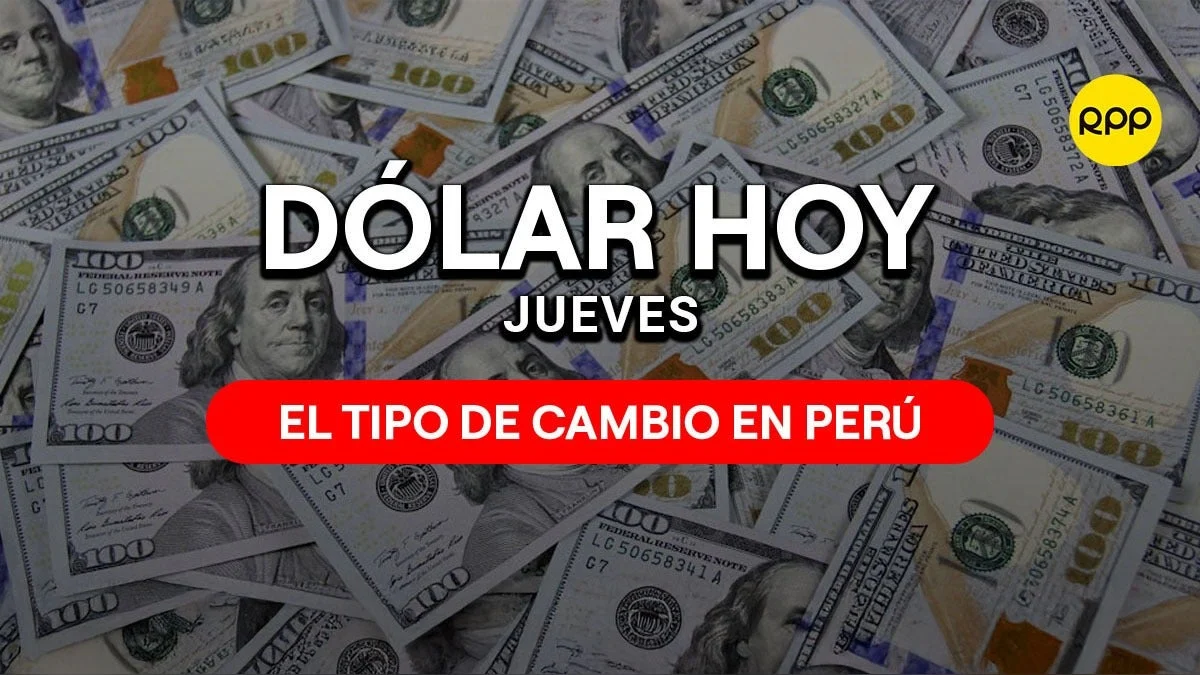
The Peruvian financial landscape experienced a notable shift this Thursday, October 8, as the exchange rate for the US dollar closed at S/ 3.45. According to data provided by the Central Reserve Bank of Peru (BCRP), this figure represents a 0.29% appreciation of the dollar against the national currency, the sol. While a fraction of a percentage point may appear negligible to the casual observer, in the complex architecture of international finance, it signals a broader trend of currency volatility that has profound implications for domestic purchasing power, import costs, and the overall stability of the Peruvian economy.
Main Facts: A Volatile Market Snapshot
As of the close of business on Thursday, the dollar maintained its upward trajectory. The shift to S/ 3.45 marks a critical point of interest for both retail investors and major financial institutions. The 0.29% increase is not merely a statistical movement; it is a reflection of shifting market expectations, influenced by a confluence of global economic pressures and local monetary dynamics.
The exchange rate is a barometer of national economic health. When the dollar gains value against the sol, it effectively makes imported goods—ranging from consumer electronics and vehicles to basic raw materials and certain food products—more expensive for the Peruvian consumer. This phenomenon, often referred to as "imported inflation," creates a ripple effect throughout the supply chain, eventually impacting the price of goods on supermarket shelves and the cost of services reliant on imported components.
Chronology of Market Movements
To understand the current standing of the dollar, one must look at the broader context of the fiscal year. Throughout the weeks leading up to this Thursday, the Peruvian currency had faced a series of pressures.
- Early Q4 Indicators: As October commenced, market analysts observed a narrowing gap in the exchange rate, suggesting that external factors—such as fluctuations in the global price of gold and copper, Peru’s primary exports—were beginning to exert pressure on the sol.
- The Mid-Week Pivot: On Tuesday and Wednesday, the market showed signs of hesitation, with the dollar hovering in a tight range. However, Thursday’s data confirmed a decisive move, marking the largest single-day jump in the week.
- Historical Context: Compared to the same period in the previous fiscal year, the current exchange rate sits at a level that necessitates vigilant monitoring. While the sol remains relatively resilient compared to other emerging market currencies, the ongoing climb toward the 3.45 mark has prompted discussions among policymakers regarding the sustainability of this trend.
The Role of the Central Reserve Bank (BCRP)
The Central Reserve Bank of Peru (BCRP) stands as the guardian of the nation’s monetary stability. Tasked with the dual mandate of controlling inflation and managing the volatility of the national currency, the BCRP employs a variety of instruments to ensure that market fluctuations do not spiral into systemic instability.
Understanding Monetary Intervention
It is a common misconception that the BCRP "controls" the dollar. In reality, Peru operates under a floating exchange rate regime. This means that the price of the dollar is primarily determined by supply and demand in the open market. However, the BCRP acts as a "shock absorber." Through its intervention desk, the bank enters the market to buy or sell US dollars when it perceives that volatility is driven by speculative behavior rather than fundamental economic realities.
By increasing the supply of dollars during times of high demand, or absorbing excess dollars during periods of depreciation, the BCRP effectively "smoothes" the curve. This intervention is critical for maintaining confidence among investors and businesses, ensuring that the volatility remains within a manageable range that does not disrupt long-term financial planning.
Supporting Data and Economic Indicators
The strength of the dollar is intrinsically linked to global macroeconomic indicators. The current climb in the exchange rate is influenced by several key factors:
- Global Commodity Prices: As a commodity-exporting nation, Peru’s sol is highly sensitive to the global price of copper. A downturn in global manufacturing demand—often signaled by cooling industrial output in China or the United States—tends to weaken the sol.
- Federal Reserve Policy: Decisions made by the U.S. Federal Reserve regarding interest rates have a direct impact on the global "thirst" for the dollar. When U.S. rates rise, global capital tends to migrate toward dollar-denominated assets, putting downward pressure on emerging market currencies like the sol.
- Local Monetary Policy: The BCRP’s own interest rate decisions play a vital role. The bank must strike a delicate balance: raising rates can attract foreign investment and strengthen the sol, but it also risks cooling domestic economic growth.
Official Responses and Strategic Outlook
While official statements from the BCRP emphasize that the current exchange rate remains within the expected parameters of market volatility, analysts suggest that the institution is on "high alert." During recent press briefings, officials have reiterated their commitment to curbing excessive speculation.
"The objective is not to hold the dollar at a specific price, but to prevent disorderly market conditions," a spokesperson noted earlier this week. This philosophy underscores the BCRP’s focus on the long-term health of the economy rather than short-term gains. The bank’s ability to draw upon its significant international reserve assets provides a robust buffer against external shocks, giving the financial sector a sense of security even during turbulent times.
Implications for the Peruvian Citizen
For the average Peruvian, the fluctuating dollar is not just a headline—it is a reality that hits the wallet. The implications of a stronger dollar are multifaceted:
The Cost of Living
Many of the essential products consumed in Peru are either imported or contain imported components. When the dollar rises, the cost of importing fuel, wheat, and industrial machinery increases. Retailers, facing higher costs, eventually pass these expenses on to the consumer. This can lead to inflationary pressure, where the purchasing power of the sol diminishes, forcing households to re-evaluate their monthly budgets.
Debt and Savings
Peruvians with debts denominated in dollars—such as mortgages or business loans—face a challenging environment when the exchange rate spikes. A higher dollar means more soles are required to meet monthly repayment obligations, potentially straining household or corporate finances. Conversely, those who have prudently diversified their savings by holding a portion in US dollars may see an increase in the value of their assets, acting as a natural hedge against domestic currency depreciation.
Corporate Strategy
For businesses, especially small and medium-sized enterprises (SMEs) that rely on imported inputs, the current exchange rate volatility necessitates a more conservative approach to inventory management and pricing. The lack of predictability can dampen investment, as companies wait for a more stable environment before committing to large-scale expansion or hiring.
Conclusion: Navigating the Uncertainty
The current exchange rate of S/ 3.45 serves as a reminder of the interconnectedness of the modern global economy. While the BCRP continues to manage the situation with seasoned expertise and a commitment to stability, the underlying volatility remains a permanent feature of the financial landscape.
As the year progresses, the focus will remain on how the Central Reserve Bank balances its interventionist tools against the broader trends of the global market. For the citizen and the business owner alike, the message is clear: in an era of global financial complexity, financial literacy and risk management are not just options—they are essential tools for navigating the shifting tides of the Peruvian economy. Whether the dollar continues to climb or retreats, the resilience of the Peruvian economy will depend on the continued confidence in its institutions and the adaptability of its people.