Lima, Peru – September 28, 2023 – Peru’s standing as a premier global destination for mining investment faces a growing threat from an increasingly complex web of administrative procedures, escalating environmental and social demands, and a pervasive lack of predictability. These challenges, if left unaddressed, could compel vital capital to seek more amenable jurisdictions with comparable geological potential, potentially impacting the nation’s economic trajectory.
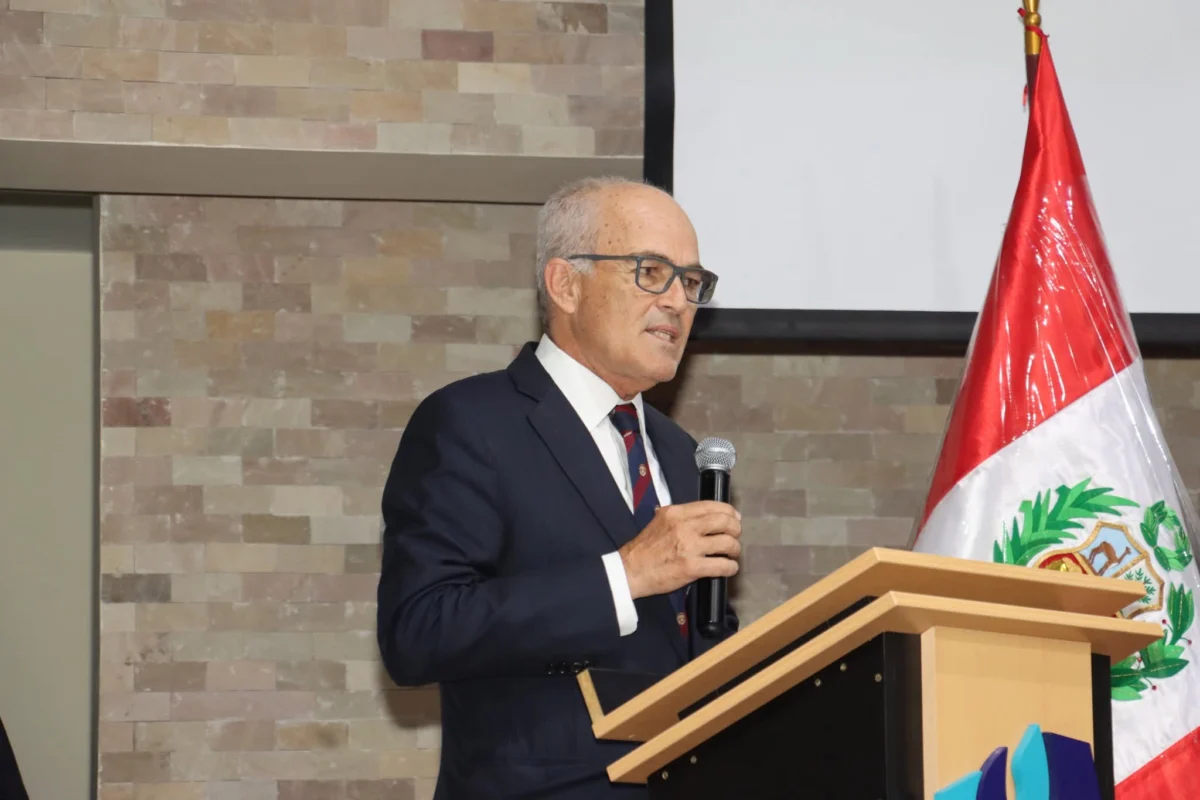
This stark warning comes from Claudia Cooper, Vice President of Sustainability and External Affairs at Compañía Minera Antamina, one of Peru’s largest mining operations. In a candid interview with Revista Minería, published by the Institute of Mining Engineers of Peru (IIMP) in commemoration of Antamina’s 25 years of operations, Cooper articulated the critical juncture the Peruvian mining sector finds itself.
Cooper emphasized that the mining industry is navigating an increasingly demanding global landscape. In this environment, she argues, enhancing procedural efficiency and fostering robust trust among mining companies, public institutions, and local communities are not merely desirable but absolutely essential for sustained growth and operation. "If operating in Peru becomes excessively complex, investment can easily be diverted to other countries that also possess significant geological potential," Cooper stated, underscoring the direct correlation between operational ease and investment flow.
Her assessment highlights the imperative for Peru to cultivate reliable institutions and strengthen the synergy between the state and private enterprise. This collaborative approach, she contends, is fundamental to creating an environment that not only facilitates the development of new mining projects but also ensures the viability of existing operations.
Navigating the Labyrinth: The Urgent Need for Efficient Mining Permits
A central theme in Cooper’s critique is the urgent need to streamline the permitting process for mining projects. She identified two pivotal areas requiring immediate attention to unlock dormant investments: strengthening the state’s presence in extractive territories and improving the efficiency of administrative procedures without compromising environmental and social standards.
Cooper elaborated on the root causes of significant delays in permit processing. She pointed to the inherent uncertainty faced by public institutions when making critical decisions, often compounded by the complex social dynamics present in mining regions. This lack of clarity translates directly into extended timelines and unpredictable costs for developers.
"The most significant cost is the one that remains unknown," Cooper asserted, highlighting the financial burden imposed by an opaque and protracted permitting system. Companies require greater transparency regarding the timelines and associated costs of these procedures to effectively plan their investments with a degree of certainty.
Beyond mere legal compliance, Cooper stressed that regulations must also possess a fundamental legitimacy within the communities where mining operations are situated. This community buy-in is crucial for building the trust necessary to foster sustainable development and mitigate potential conflicts before they escalate.
The State’s Elusive Presence: A Gap in Mining Regions
Another significant challenge identified by Cooper is the need for a more consistent and robust state presence in regions where mining companies operate. She observed that, in many instances, mining companies are compelled to directly address social issues and community demands that rightfully fall under the purview of public institutions.

Cooper cautioned against a reactive approach where state intervention is primarily reserved for periods of heightened conflict. She advocated for a proactive and continuous engagement strategy designed to address the populace’s needs and prevent the emergence of future controversies. This sustained effort, she believes, is far more effective than intermittent interventions.
In this context, Cooper underscored the vital role of local and regional governments in the execution of essential infrastructure projects and public services. Simultaneously, she highlighted the national government’s responsibility in ensuring an appropriate and stable regulatory framework.
Therefore, Cooper concluded, a synergistic effort involving all three levels of government, with the active participation of the private sector, is indispensable. This collaborative model aims to prevent mining companies from inadvertently assuming the state’s fundamental responsibilities, ensuring a more balanced and effective governance of the extractive sector.
Supporting Data and Context: The Global Mining Landscape
Peru’s mining sector is a cornerstone of its economy, consistently contributing a significant percentage to the country’s GDP and export revenues. Historically, Peru has ranked among the top global producers of copper, gold, silver, zinc, and other vital minerals. This rich geological endowment has historically attracted substantial foreign and domestic investment.
However, the global mining industry is undergoing a profound transformation. Increased scrutiny from investors, regulators, and the public regarding environmental, social, and governance (ESG) factors has become paramount. Companies are increasingly evaluated not only on their financial performance but also on their sustainability practices and their impact on local communities and the environment.
This heightened ESG focus means that the bar for responsible mining operations has been significantly raised. Investors are actively seeking companies that demonstrate a strong commitment to ethical practices, transparent operations, and positive social impact. Countries that can offer a stable, predictable, and supportive regulatory environment that aligns with these evolving ESG expectations are poised to attract the most significant investments.
The Peruvian mining sector, while possessing immense geological wealth, faces a competitive disadvantage if it cannot adapt to these global trends. The complexity of its administrative processes, coupled with the challenges in social licensing and state engagement, can erode investor confidence.
Chronology of Challenges and Opportunities
The issues raised by Claudia Cooper are not new, but their urgency has intensified in recent years.
- Past Decades: Peru has historically relied on its mineral wealth to fuel economic growth. During periods of high commodity prices, investment flowed relatively freely, and the regulatory environment, while present, was often perceived as more navigable.
- Early 2010s Onward: As global awareness of environmental and social issues grew, so did the demands placed upon mining operations worldwide. Peru, like many other resource-rich nations, began to see an increase in community consultations, environmental impact assessments, and social responsibility initiatives.
- Mid to Late 2010s: The complexity of administrative procedures started to become a more pronounced concern. Bureaucratic hurdles and prolonged permit processing times began to emerge as significant deterrents to new project development and expansions.
- Recent Years (2020s): The COVID-19 pandemic and subsequent global economic shifts have exacerbated existing challenges. Supply chain disruptions, increased operational costs, and heightened investor risk aversion have made operational efficiency and regulatory predictability even more critical. Furthermore, the global push for sustainability and the energy transition has intensified scrutiny on mining’s social and environmental footprint, placing further demands on companies. The current political and social climate in Peru has also contributed to a sense of unpredictability, impacting investor sentiment.
Despite these challenges, Peru also presents significant opportunities. Its vast, underexplored geological potential remains a major draw. The country’s skilled workforce and established mining infrastructure provide a solid foundation. The key lies in addressing the systemic issues that are currently hindering the sector’s full potential.

Official Responses and Industry Perspectives
The Peruvian government, through various ministries and regulatory bodies, has acknowledged the importance of the mining sector and the need to improve investment conditions. There have been initiatives aimed at streamlining bureaucratic processes and fostering dialogue between stakeholders.
The Ministry of Energy and Mines (MINEM) is the primary government body responsible for the mining sector. MINEM has stated its commitment to promoting responsible mining that benefits the country and its citizens. Efforts have been made to digitize some processes and to improve inter-agency coordination.
However, the effectiveness of these initiatives in practice remains a subject of debate within the industry. The perception of persistent bureaucratic delays and a lack of consistent policy implementation continues to be a concern for many investors.
The Institute of Mining Engineers of Peru (IIMP), as represented by Revista Minería, plays a crucial role in facilitating dialogue and advocating for policies that support the sustainable development of the mining sector. Their publications and events often serve as platforms for industry leaders like Claudia Cooper to voice their concerns and propose solutions.
Other mining industry associations and chambers of commerce in Peru have also consistently highlighted the need for regulatory certainty, efficient permitting, and strong state presence. They often advocate for reforms that balance environmental and social protection with the need to attract and retain investment.
Broader Implications for Peru’s Economy
The implications of Peru’s declining competitiveness as a mining investment destination extend far beyond the mining sector itself.
- Economic Growth: Mining is a major driver of Peru’s economic growth. A significant reduction in investment would lead to slower GDP growth, reduced export earnings, and a negative impact on the national trade balance.
- Job Creation: The mining industry is a significant employer, both directly and indirectly. A decline in investment would translate into fewer job opportunities, impacting livelihoods across various regions.
- Fiscal Revenue: Mining contributes substantially to government revenue through taxes and royalties. A downturn in the sector would diminish these crucial fiscal resources, potentially affecting public spending on essential services like education, healthcare, and infrastructure.
- Regional Development: Many mining projects are located in remote and underdeveloped regions of Peru. Investment in these areas often brings with it infrastructure development, social programs, and economic diversification initiatives. A reduction in mining activity would hinder this vital regional development.
- Global Standing: Peru’s ability to attract and retain foreign direct investment is a key indicator of its economic health and stability. A perceived decline in this area could negatively impact its reputation on the international stage, potentially affecting investment in other sectors as well.
In conclusion, the concerns raised by Claudia Cooper and others within the Peruvian mining industry underscore a critical need for proactive and comprehensive reforms. Addressing bureaucratic inefficiencies, fostering genuine community engagement, and ensuring a consistent and effective state presence are not merely operational adjustments but strategic imperatives for securing Peru’s future as a leading mining nation. The window of opportunity to reinforce its competitive edge is narrowing, and decisive action is required to ensure that Peru continues to benefit from its rich geological endowment in a sustainable and prosperous manner.