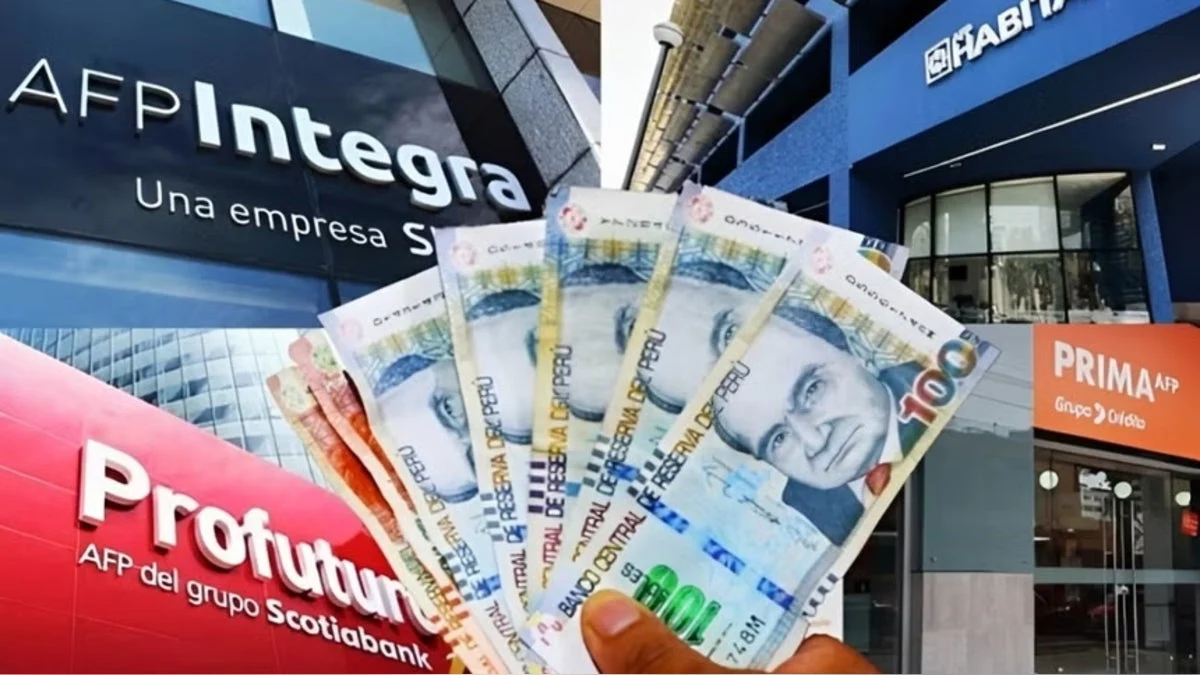
The Peruvian pension system is on the cusp of a historic transformation. As the nation navigates a complex political transition, the implementation of the long-awaited pension reform—centered on the introduction of a guaranteed minimum pension—has reached a critical juncture. Sergio Espinosa, Superintendent of the Superintendencia de Banca, Seguros y AFP (SBS), has confirmed that while the regulatory framework is technically prepared, it currently awaits final validation from the new administration under President Keiko Fujimori.
This reform, enshrined in Law No. 32123, seeks to harmonize the disparities between the public Oficina de Normalización Previsional (ONP) and the private Administradoras de Fondos de Pensiones (AFP) systems, aiming to provide a safety net for thousands of retirees who have historically fallen through the cracks of the current model.
The Core Mandate: A Guaranteed Safety Net
At the heart of the current legislative effort is the establishment of a minimum pension of S/600 (Peruvian Soles). This policy is a cornerstone of the broader "Modernization of the Pension System" law, which reconfigures how citizens accumulate and access their retirement savings.
Under the new framework, the state introduces a "semi-contributive pillar." This mechanism is designed for individuals who have diligently contributed to their pension accounts but whose accumulated capital, at the time of retirement, remains insufficient to provide a dignified monthly income. By introducing this state-backed guarantee, the government aims to ensure that no retiree, whether from the public or private sector, falls below the established poverty-mitigation threshold.
How the Semi-Contributive Pillar Works
The pillar operates as a bridge between individual effort and social protection. For those in the private sector, the process will involve:
- Fund Depletion: The retiree’s individual account (CIC) remains the primary source of funding.
- State Intervention: When the CIC is insufficient, the state steps in to bridge the gap up to the S/600 minimum.
- Conditionality: Access to this benefit is not unconditional. The law explicitly mandates that the affiliate must not have utilized previous "early withdrawal" options allowed by past legislative measures. This is a critical point of contention and policy design, as it seeks to reward those who maintained their savings intact while protecting the long-term solvency of the system.
A Chronology of the Reform Process
The road to this reform has been paved with years of debate, legislative push-and-pull, and public outcry regarding the sustainability of pension funds.
- Initial Drafting: Following the widespread volatility caused by multiple rounds of early withdrawals from pension funds during the economic crises of the early 2020s, the government began drafting a comprehensive overhaul of the system.
- June 2026 Announcement: The Ministry of Economy and Finance (MEF), under the leadership of experts like Oscar Orcón (Director of the General Directorate of Financial Markets), signaled that the regulatory framework for the semi-contributive pillar was entering its final phase.
- The Transition Gap: Following the change in government, the momentum faced a brief period of uncertainty. While the SBS has finalized the technical aspects, the "hand-off" to the new administration requires a political stamp of approval.
- Present Day: As of mid-2026, the SBS maintains that the technical work is complete, with the ball now firmly in the MEF’s court to validate the final regulatory text and proceed with implementation.
The Technological Frontier: The PAST Platform
Beyond the minimum pension, the reform introduces the Plataforma de Afiliación Segura y Transparente (PAST). This digital initiative is intended to revolutionize the user experience for the Peruvian worker.
Currently, moving between the ONP and the private sector can be a labyrinthine administrative process. The PAST platform is designed to serve as a unified, digital gateway where citizens can:
- Manage Affiliations: Seamlessly enroll in the system that best suits their professional trajectory.
- Facilitate Transfers: Reduce the friction and bureaucracy currently associated with moving funds between different providers.
- Transparency: Provide real-time data on commissions, investment performance, and projected retirement income, empowering workers to make informed decisions.
According to Superintendent Espinosa, the regulation for the PAST platform is also reaching its final stages and is expected to be launched shortly, marking a significant digital leap for the national social security apparatus.
Official Responses and Institutional Dynamics
The collaboration between the SBS, the ONP, and the MEF has been described as a "multi-month project" of intense cooperation. However, the nuance of the current political environment cannot be ignored.
"I imagine there is a validation process as a consequence of the transition to the new government, and it has to be validated in that context," Espinosa remarked in a recent interview. His comments underscore a vital institutional reality: while the SBS serves as the technical regulator, the economic and fiscal policy decisions—specifically those involving the allocation of state funds for the semi-contributive pillar—are the purview of the Ministry of Economy.
The MEF’s position remains consistent with its June announcement: the state is committed to ensuring that the private system offers the same "floor" of protection as the public system. By equalizing these benefits, the government hopes to restore public trust in a system that has been battered by political polarization and short-term economic populism.
Broader Implications for the Peruvian Market
The reform is not merely about pension amounts; it is about the structural composition of the Peruvian financial landscape.
Competition and Commissions
One of the most significant aspects of the reform is the opening of the market. The SBS is currently drafting rules that would allow banks, insurance companies, and other financial institutions to compete directly with existing AFPs in the administration of pension funds.

The logic is simple: increased competition leads to lower management fees. If large financial groups can consolidate their services and operate more efficiently, the administrative burden on the average worker—who currently pays a percentage of their salary in commissions—should theoretically decrease. This is a critical development for workers who have long viewed the high commission rates of the current AFP model as a barrier to wealth accumulation.
Fiscal Impact and Sustainability
The introduction of the state-guaranteed minimum pension carries significant fiscal implications. By promising to cover the shortfall for retirees who have not made early withdrawals, the state is effectively taking on a long-term contingent liability. Actuaries and economists are currently analyzing the long-term impact on the national budget, noting that while the initial outlay may be manageable, the aging population of Peru will require the system to be robust and capable of generating real returns on investments.
Conclusion: The Path Forward
The proposed pension reform represents a delicate balance between social justice and financial sustainability. By providing a floor for the most vulnerable, the state is attempting to correct a systemic failure where years of formal labor contribution were not resulting in a dignified retirement.
As the new administration reviews the final regulations, the eyes of the workforce remain fixed on the promise of a more transparent, competitive, and secure system. Whether through the implementation of the S/600 minimum pension or the launch of the user-friendly PAST platform, the goal remains the same: to create a pension system that works for the citizen, rather than forcing the citizen to navigate a system designed for bureaucracy.
The technical groundwork is laid. The political will is currently being tested. For millions of Peruvians, the timely publication of these regulations will be the first tangible sign that the promise of a secure retirement is finally being honored by the state.