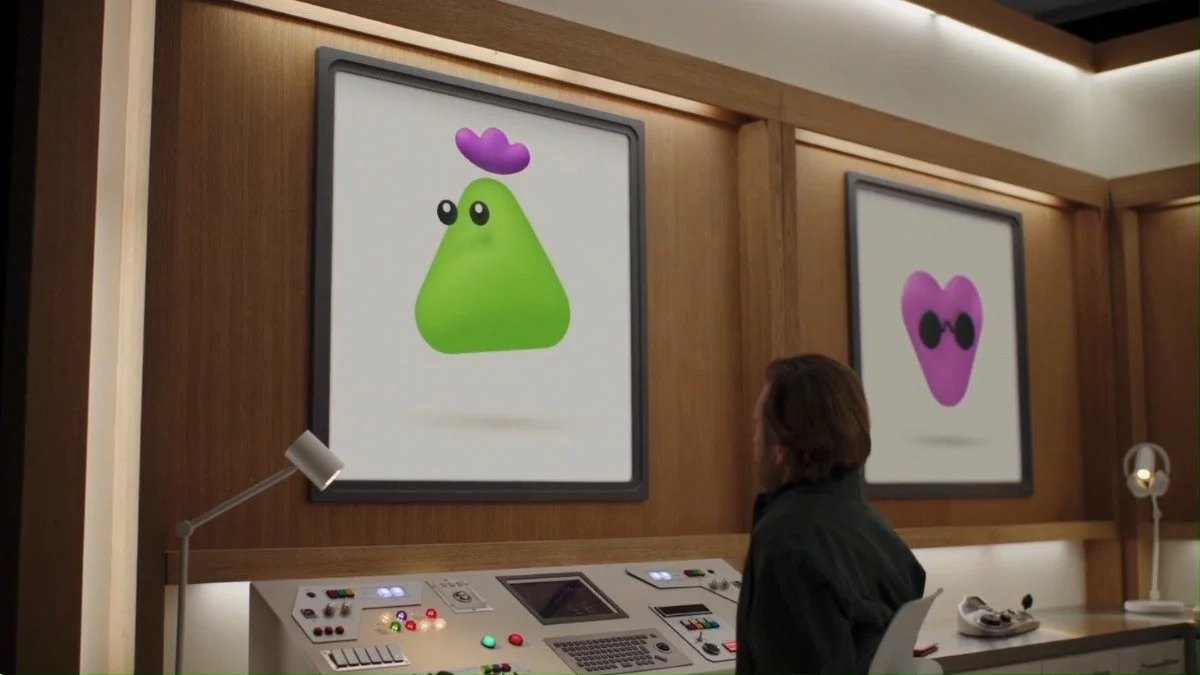
In a landmark shift that promises to redefine the human-computer relationship, OpenAI officially unveiled its latest breakthrough, Dots, during the company’s highly anticipated DevDay on September 29. Dots represents a fundamental departure from the current landscape of Large Language Models (LLMs). While traditional chatbots like ChatGPT have thrived on being sophisticated conversationalists—answering prompts with human-like prose—Dots is engineered to be a doer. It is a system of autonomous AI agents designed to handle complex, multi-step workflows, essentially transforming the role of the user from a manual operator to a high-level manager of digital labor.
Main Facts: Moving Beyond the Chatbot Paradigm
For the past two years, the AI industry has been dominated by the "chatbot" model: the user inputs a prompt, the model generates a text-based response, and the interaction typically concludes. OpenAI’s introduction of Dots shatters this limitations-based framework.
At its core, Dots is a system of specialized agents that possess the agency to navigate external environments. Instead of simply explaining how to organize a travel itinerary or draft a project report, Dots can autonomously log into third-party services, interact with calendars, parse through emails, and manipulate data across various web-based platforms.
The significance of this cannot be overstated. By moving from "generative intelligence" to "agentic intelligence," OpenAI is enabling users to delegate end-to-end tasks. Whether it is synchronizing a team’s schedule on Slack, conducting deep-web research to compile a competitive analysis, or managing intricate administrative workflows, Dots functions as an autonomous digital assistant capable of maintaining momentum even after the user has logged off.
Chronology: The Road to Agency
The trajectory toward Dots did not happen overnight. It is the culmination of a deliberate R&D strategy that began with the release of GPT-4 and has accelerated through several key milestones:
- Early 2023: The integration of "Plugins" allowed ChatGPT to access live data, providing the first glimpse of an AI that could "reach out" into the internet.
- Late 2023/Early 2024: The introduction of "GPTs"—custom versions of ChatGPT—allowed users to create specialized assistants for specific domains.
- Mid-2024: The rollout of ChatGPT Work focused on handling long-form, complex enterprise tasks, allowing models to process massive file repositories and maintain context over long durations.
- September 29, 2026: During the annual DevDay, OpenAI formally announced Dots, the next evolutionary step. This launch marked the transition from "custom assistants" to "autonomous agents" that can execute actions rather than just providing suggestions.
Supporting Data and Technical Architecture
What makes Dots distinct is its ability to decompose a high-level goal into a sequence of actionable steps. In technical terms, this is often referred to as "chain-of-thought" execution coupled with tool-use capability.
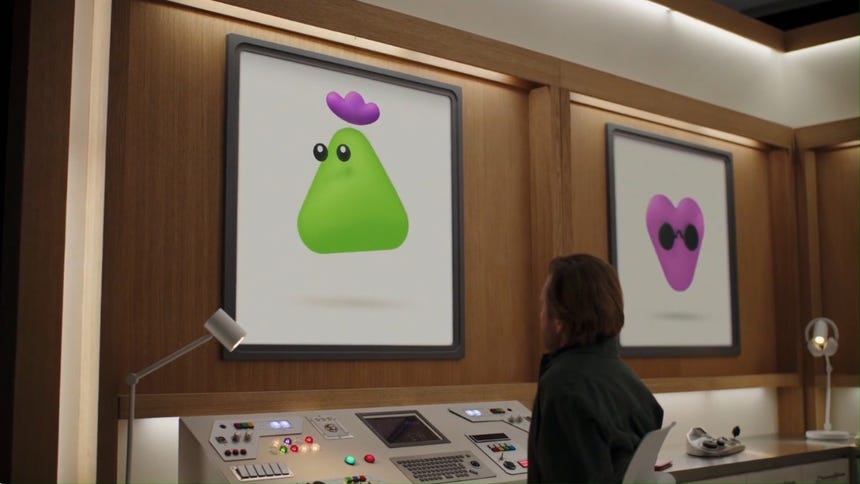
When a user gives an instruction—for example, "Prepare a summary of all emails from the marketing department and add the relevant deadlines to the team calendar"—the system does not merely write the summary. It:
- Authenticates with the user’s email service.
- Identifies relevant messages based on semantic intent.
- Extracts dates and tasks.
- Connects to the calendar API to verify availability.
- Executes the booking or updates the schedule.
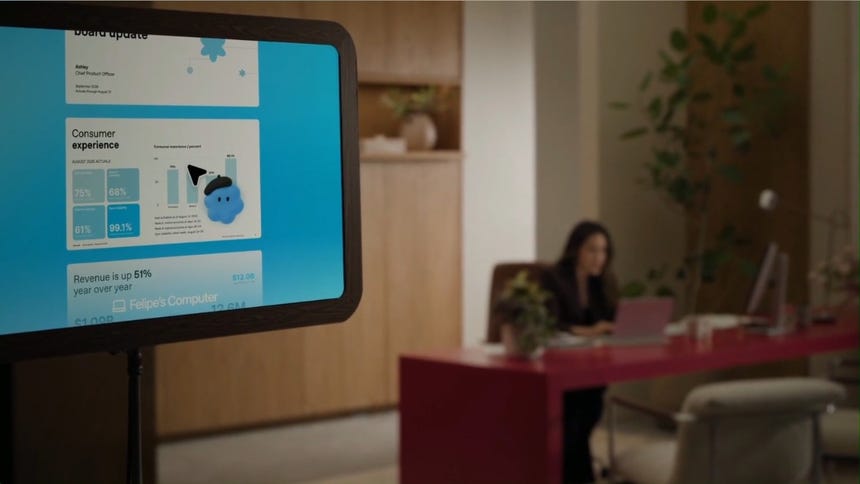
The system is designed to interact via natural language, voice commands, or specific GUI (Graphical User Interface) overlays that allow the user to monitor the agent’s progress in real-time. By leveraging the existing infrastructure of ChatGPT Work, Dots benefits from pre-existing security protocols, which ensures that these autonomous actions remain within the "guardrails" established by the user’s organizational policies.
Official Responses and Strategic Intent
OpenAI’s leadership has been vocal about the "agentic shift." During the DevDay keynote, the company emphasized that the future of productivity is not about typing more prompts, but about managing outcomes.
"We are moving toward a world where your computer is not just a tool you operate, but a collaborator that executes for you," a spokesperson for OpenAI noted during the presentation. The philosophy is simple: human time is the most valuable resource, and by automating the "drudgery" of digital workflows, OpenAI aims to unlock a new tier of human creativity and strategic focus.
Industry analysts have noted that this move positions OpenAI directly against traditional enterprise software giants like Microsoft (with Copilot) and Salesforce (with Agentforce). By creating a modular agent system, OpenAI is betting that the most successful AI of the future will be the one that is most integrated into the user’s daily stack of applications.
Implications: The New Frontier of Digital Labor
The introduction of Dots carries profound implications for the labor market, cybersecurity, and the ethics of automation.
1. The Productivity Renaissance
For businesses, the promise is a massive increase in throughput. If a single employee can manage ten "Dots" agents, the capacity for small teams to execute enterprise-scale projects increases exponentially. However, this also forces a change in skill sets; the ability to "prompt" is being replaced by the ability to "orchestrate" AI agents.
2. The Cybersecurity Challenge
As AI agents gain the ability to perform actions (such as sending emails, moving files, or purchasing services), the surface area for errors or malicious exploitation increases. If an agent is "tricked" or misconfigured, it could perform unwanted actions at high speed. OpenAI has addressed this by implementing strict "human-in-the-loop" verification protocols, where the agent requires explicit permission for high-stakes actions, such as finalizing a payment or deleting sensitive data.
3. A Shift in Human Autonomy
Perhaps the most philosophical implication is the change in how we perceive work. When an AI can complete a task while the user is disconnected, the boundary between "working" and "not working" blurs. This creates a need for new digital hygiene standards. Users must now manage the goals of their agents, ensuring they align with broader strategic objectives, rather than focusing on the execution of the work itself.
4. Integration vs. Isolation
The success of Dots will ultimately depend on its ecosystem. If the agents can only work within a narrow sandbox, their value remains limited. OpenAI’s strategy to integrate Dots with major productivity tools like Slack, Google Workspace, and project management software suggests that the company is aiming for universal interoperability.
Conclusion: The Horizon
As we look toward the end of 2026, the arrival of Dots serves as a reminder that the "generative" phase of artificial intelligence is maturing into an "agentic" phase. The novelty of having an AI write a poem or debug code has been replaced by the necessity of having an AI that can manage a life or run a business.
OpenAI has not just released a product; it has signaled the beginning of a transition where AI ceases to be a background tool and becomes a proactive participant in the digital economy. While challenges regarding security, bias, and control remain, the path forward is clear: the future of work is not just human, and it is certainly not just AI. It is a hybrid model of human intent and autonomous execution. With Dots, that future is no longer a theoretical concept—it is a live system, learning to work alongside us, one task at a time.