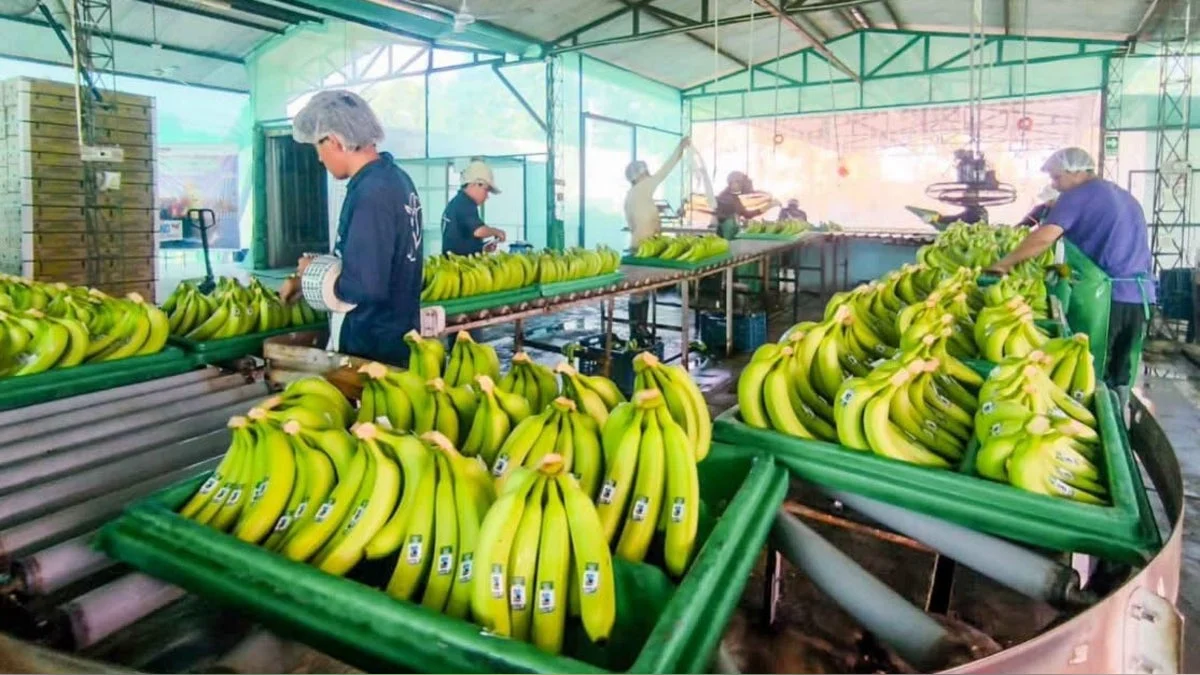
The agricultural backbone of Peru, particularly the northern region of Piura, is bracing for a period of significant volatility. As climate patterns shift under the influence of the El Niño phenomenon, the region’s vital agro-export and domestic food supply chains face an unprecedented challenge. The Chamber of Commerce and Production of Piura has issued a stern warning: the upcoming agricultural campaigns for essential crops, including lemon, mango, grapes, blueberries, and organic bananas, are at severe risk due to persistent thermal anomalies.
As high temperatures disrupt the delicate biological cycles of these plants, industry leaders and agricultural experts are sounding the alarm. The potential for a sharp reduction in yields, particularly during the summer of 2027, suggests that consumers may soon face significant price spikes, reminiscent of the crises seen in previous climate-driven supply shocks.
The Science of Stress: Why Piura’s Crops Are at Risk
At the heart of the agricultural crisis is the biological requirement for "thermal accumulation" and, conversely, specific cooling periods that trigger flowering. Javier Bereche, president of the Chamber of Commerce and Production of Piura, explains that the current climate conditions—characterized by abnormal heat—are effectively stifling the reproductive cycles of key crops.
"If there is no cold, there is no flowering, or the flowering is either incomplete or sparse," Bereche stated in an interview. For many of the fruit crops native to or cultivated extensively in the coastal north, the months of May, June, and July serve as the critical window for floral development. During these months, the plant requires a temperature drop to transition from vegetative growth to reproductive flowering. When El Niño maintains high temperatures throughout this period, the plant fails to receive the necessary signal to produce blooms.
This "floral failure" represents the first domino in a long chain of economic consequences. If the flower does not form, the fruit never develops. This biological bottleneck directly dictates the volume of the harvest, and by extension, the availability of produce for both local markets and international export destinations.
A Chronology of Climate-Driven Economic Shocks
To understand the severity of the current threat, one must look at the historical precedent of climate disruption in Peru. The link between weather anomalies and price volatility in the agricultural sector is well-documented, with the lemon industry often acting as a "canary in the coal mine."
The 2017 El Niño Costero
In 2017, the aftermath of the El Niño Costero caused catastrophic damage to the agricultural infrastructure of northern Peru. The combination of torrential rainfall and sustained heat waves effectively scorched the floral buds of lemon trees across the region. At the time, researchers from the National Institute of Agricultural Innovation (INIA) reported that the damage to the yema floral (floral bud) was so extensive that production dropped by 40% to 60%.
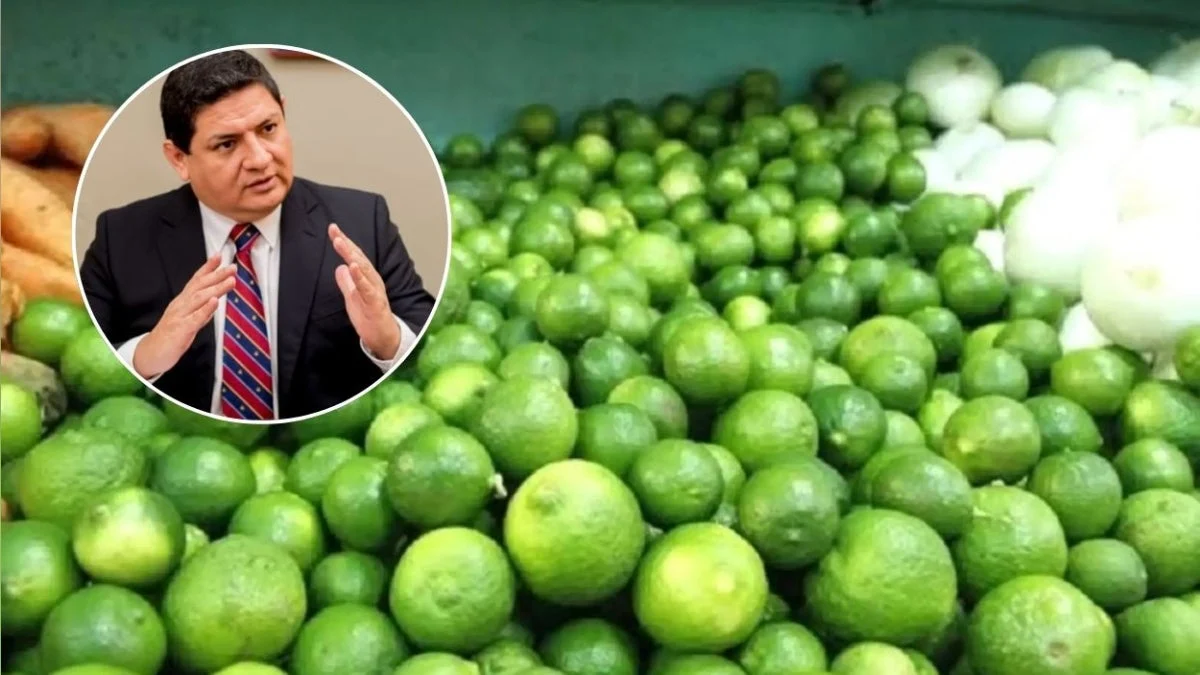
The market reaction was immediate and punishing. In Tambogrande, one of the primary lemon-producing hubs, the price of a 50-kilo sack of lemons skyrocketed from a stable baseline of S/40 to between S/180 and S/200. This episode remains a benchmark for the economic damage that climate events can inflict on domestic food security.
The 2023 Price Surge
History repeated itself—albeit with different nuances—in September 2023. While the 2017 crisis was driven by massive flooding, the 2023 spike was primarily a result of rainfall patterns that hindered the flowering process of thousands of hectares of lemon trees. During this period, wholesale prices for lemons exceeded S/10 per kilo, a massive jump from the S/4 range seen just weeks prior. Because approximately 60% of Peru’s national lemon production is concentrated in the first half of the year, any disruption to the flowering cycle during the winter months leads to a systemic shortage that ripples through every grocery store and restaurant in the country.
Supporting Data: The 2027 Outlook
Industry projections for 2027 are deeply tied to the current planting and flowering cycle. The agricultural calendar is rigid; the production harvested in the latter half of 2026 is intended to supply the high-demand export windows of the first quarter of 2027.
The Chamber of Commerce and Production of Piura has highlighted several key metrics that indicate a high probability of reduced output:
- The Flowering Window: The critical cooling period (May–July) has been disrupted by El Niño, leading to a documented decrease in floral initiation.
- Export Dependency: With major crops like grapes, blueberries, and mangoes being primary drivers of Peru’s foreign exchange, a reduction in quality or volume threatens the country’s standing in the global market.
- Market Concentration: Piura provides a disproportionate share of Peru’s total lemon and mango output. Unlike other crops that can be grown in diverse latitudes, these fruits are highly sensitive to the specific microclimates of the northern coast.
Official Responses and Industry Sentiment
The business community, represented by leaders like Javier Bereche, is not merely observing the problem but is actively calling for adaptive strategies. The official stance is that while the immediate future is bleak, the long-term resilience of the sector depends on how producers manage their resources in the coming months.
"The primary impact of the agriculture sector will likely be felt starting next year, because that is when the ‘big harvest’ occurs," Bereche noted. The concern is not just limited to the lemon; the systemic nature of the current weather patterns is affecting a broad basket of goods. Cotton, which requires specific heat-moisture balances, is also showing signs of reduced vigor.
The private sector is currently in a state of high alert, monitoring satellite weather data and ground-level soil moisture reports to determine the exact extent of the losses. There is a palpable sense of anxiety regarding the "hidden costs"—the loss of labor, the potential for bankruptcy among smaller, less-capitalized farmers, and the logistical nightmare of managing significantly lower volumes for export contracts.
Implications for the Future: The "Rebound Effect"
Interestingly, there is a paradoxical light at the end of the tunnel. Agricultural experts point to the "rebound effect" that often follows a strong El Niño event. When the climate shifts back to a neutral or La Niña phase, the sudden drop in temperature can act as a catalyst for a massive, rapid flowering event.
"Always after an El Niño phenomenon, when the cold rebound arrives, there is an overproduction because the flowering is faster and the volumes are higher," explains Bereche. While this phenomenon promises a potential recovery of yields, it provides little comfort for the short-term economic strain. A glut of product following a period of scarcity can lead to a collapse in farm-gate prices, creating a new kind of crisis: the inability of farmers to recover their investment costs despite high production volumes.
Socio-Economic Consequences
The implications of these climate fluctuations extend far beyond the farm. The agricultural sector is a massive employer in Piura. When production falls, the entire value chain—from seasonal pickers and packers to transport companies and packaging manufacturers—suffers.
- Consumer Impact: The most immediate effect for the average citizen is the "inflation of the basic food basket." When lemons and other staples become scarce, food inflation rises, disproportionately affecting low-income households.
- Export Stability: For the global market, Peru is a key supplier of "superfoods" like blueberries and high-quality grapes. A production shortfall could lead to a loss of market share to competing nations in South America or Africa, potentially causing long-term damage to the brand of Peruvian agriculture.
- Investment Uncertainty: Persistent climate risks make it difficult for farmers to secure credit. Financial institutions are increasingly wary of lending to agricultural projects in regions where "predictable" climate cycles have become a thing of the past.
Conclusion: A Call for Adaptation
The warning from the Chamber of Commerce and Production of Piura is a wake-up call for the entire nation. The era of assuming that traditional climate patterns will hold is over. As the agricultural sector looks toward the 2027 campaign, the focus must shift from reactive crisis management to proactive climate adaptation.
Whether through the investment in greenhouse technologies, the development of heat-resistant crop varieties, or the implementation of more efficient water-management systems, the path forward requires a fundamental restructuring of how Peru manages its northern agricultural heartland. Without such measures, the country risks being trapped in a cycle of boom-and-bust, where the climate dictates the economic prosperity of thousands of families and the food security of the entire nation.
As we look toward the summer of 2027, the success of the harvest will not be measured just by the size of the fruit, but by the resilience of the systems that support them. The climate is changing, and the agricultural industry of Piura must change with it to survive the coming storm.