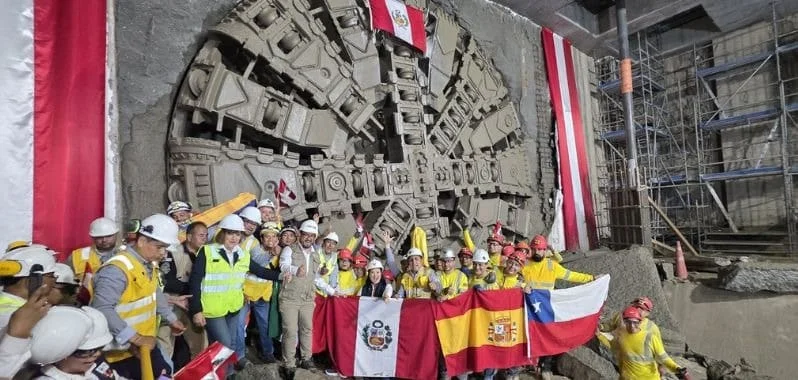
In a landmark achievement for Peruvian engineering and urban mobility, the Tunnel Boring Machine (TBM) known as "Micaela" has successfully arrived at the Carmen de la Legua station. This arrival marks the definitive conclusion of all underground excavation work for the highly anticipated Line 2 and the branch of Line 4 of the Lima and Callao Metro. This project, which stands as the most ambitious transport infrastructure endeavor in the nation’s history, promises to fundamentally restructure the daily lives of millions of residents in the capital.
The Significance of the "Micaela" Milestone
The completion of the excavation phase is more than a technical victory; it is a symbolic turning point for the project. The TBM "Micaela," a marvel of modern engineering, has navigated the complex, high-density subterranean landscape of Lima and Callao, overcoming geological challenges and dense urban infrastructure to connect the city’s heart with the port district of Callao.
With the tunneling now finished, the focus of the consortium shifts from massive excavation to the final phases of track laying, electrification, signaling systems, and the architectural finishing of the stations. This transition brings the city significantly closer to the operational inauguration of the system, which will provide a high-capacity, automated, and eco-friendly transit alternative.
Chronology: A Path Through Time and Obstacles
The journey of the Lima Metro Line 2 has been characterized by its long-term vision and the persistence required to overcome significant hurdles.
- Initial Planning and Bidding (2012-2014): The project was conceived as the backbone of a modern transportation network. In 2014, the concession was awarded to the Metro de Lima Line 2 consortium, setting the stage for what would become the first fully underground metro system in the country.
- The Launch of "Micaela" (2020-2022): The TBM was assembled and launched to tackle the most complex sections of the route. Despite the global disruptions caused by the pandemic, tunneling operations continued under strict safety protocols.
- The Breakthrough at Carmen de la Legua (2026): After years of relentless grinding through the soil of the capital, the breakthrough at Carmen de la Legua signals that the heavy civil works—often the most prone to delay—are successfully behind the project.
- Future Milestones (2027 and Beyond): The focus now turns to the testing phase, the installation of rolling stock, and the systematic opening of stations, aiming to connect Ate in the east to Callao in the west in record time.
Official Statements and Government Vision
During the ceremony marking the arrival of the TBM, President Keiko Fujimori emphasized that this project is a centerpiece of her administration’s commitment to social and economic modernization.
"Many citizens currently spend hours in transit—trapped in buses or informal transport—to reach their workplaces," President Fujimori stated during the site inspection. "Losing three or four hours daily, time that should be spent with family or in personal development, is a social debt we are working to repay. Projects like this are not just about concrete and steel; they are about giving time back to the people."

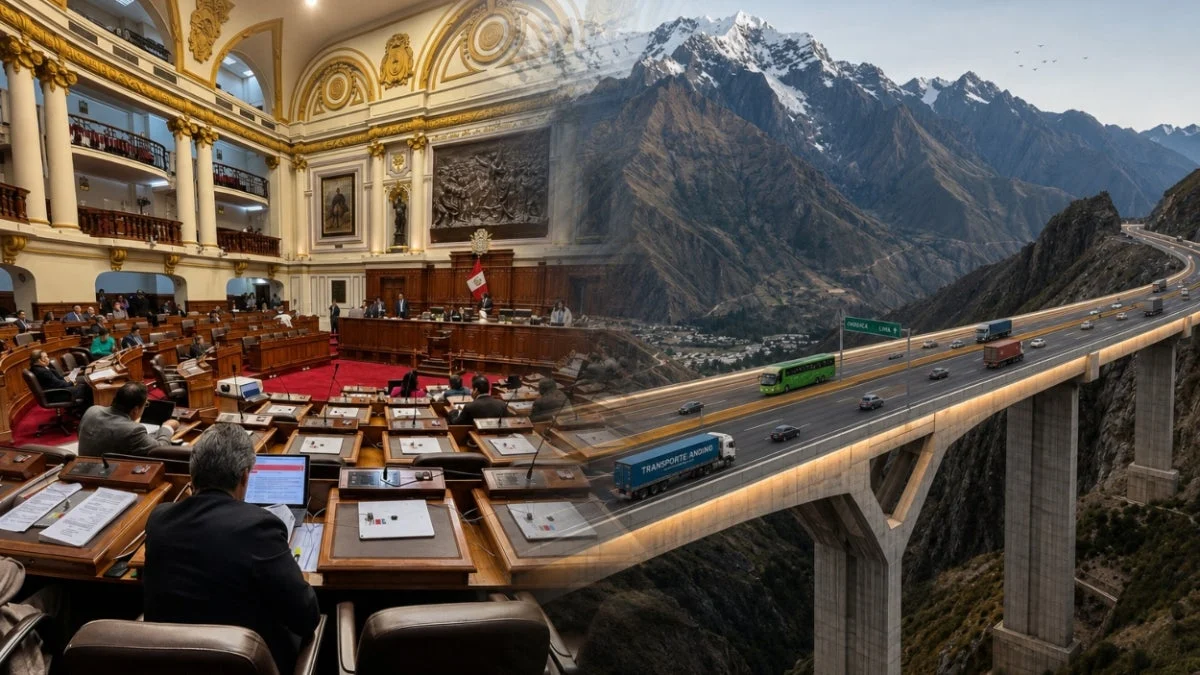
The President also highlighted the financial commitment required to sustain a project of this magnitude. She noted that the recently approved supplemental credit of over S/ 8,000 million by the Congress of the Republic ensures that funding for Line 2 remains secure. Furthermore, she announced a forward-looking budgetary commitment: an additional S/ 18,000 million allocated for 2027 to ensure that the momentum gained in the construction of the Line 2 stations and the Line 4 branch is not interrupted.
Supporting Data: The Scale of the Project
The Lima and Callao Metro project is a massive undertaking with data that underscores its complexity:
- Route Coverage: The system will connect 13 districts, spanning approximately 35 kilometers from the Ate district in East Lima to the Callao port area.
- Capacity: Once fully operational, the metro is designed to transport over 660,000 passengers per day, with the potential to reach over 1 million as demand grows.
- Time Efficiency: Travel time between the terminal points is expected to drop from the current two to three hours to approximately 45 minutes, a reduction of over 70%.
- Technological Integration: The Line 2 and Line 4 branch will utilize Grade of Automation 4 (GoA4) technology, allowing for driverless operation, which ensures maximum safety and optimized frequency of trains.
- Multimodal Connectivity: The system is designed to integrate with the existing Line 1 (elevated) and the future extensions of the Metropolitan bus system, creating a cohesive transit ecosystem.
Implications: Beyond Transportation
The implications of completing the tunneling phase reach far beyond simple traffic mitigation.
Economic Impact
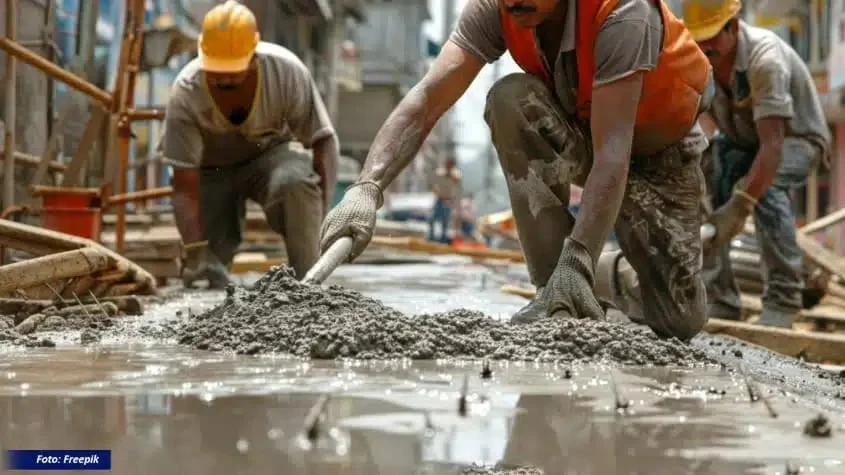
The construction phase has been a major engine for employment, hiring thousands of Peruvian engineers, specialized technicians, and manual laborers. The long-term economic impact involves the stimulation of commerce around the new stations, increasing property values and creating new "transit-oriented development" (TOD) zones where housing and business can thrive in close proximity to rapid transit.
Environmental Benefits
By shifting a massive segment of the population from private buses and cars to an electric-powered subway system, Lima is poised to see a significant reduction in its carbon footprint. The decrease in traffic congestion will lead to lower nitrogen oxide and particulate matter emissions, contributing to cleaner air quality in one of Latin America’s most densely populated regions.
Social Equity
The Metro project is a catalyst for social inclusion. By connecting the often-marginalized areas of East Lima with the industrial and port sectors of Callao, the government is effectively shrinking the city. Accessibility to jobs, healthcare, and educational institutions in the city center will be equalized for residents of the periphery, breaking the cycle of geographic inequality.

A Tribute to the Workforce
President Fujimori took a moment to explicitly recognize the human element behind the machinery. The construction of the underground network required a unique synergy between international expertise—bringing in global best practices in tunneling—and the local ingenuity of Peruvian engineers who adapted these methods to the specific seismic and soil conditions of the Lima basin. This knowledge transfer is considered a lasting legacy that will benefit future infrastructure projects throughout Peru.
Challenges and Looking Ahead
While the completion of the tunneling is a monumental success, the road to full operation requires continued vigilance. The project must now navigate the complexities of installing advanced rail technology and finalizing the surface-level urban integration, which involves road restoration and station access construction.
The government’s announcement of an S/ 18,000 million investment for 2027 provides a clear signal to both domestic and international stakeholders that the Metro remains a non-negotiable priority for the state. As the project enters this new phase, the eyes of the nation will be on the speed of implementation and the eventual opening of the first operational stretches.
Conclusion
The arrival of the TBM "Micaela" at the Carmen de la Legua station serves as a powerful reminder that while large-scale infrastructure projects are fraught with challenges, they are essential for the maturation of a modern state. By prioritizing the Lima Metro, the government is laying the foundation for a more competitive, sustainable, and equitable Peru. As the drills stop and the finishing work begins, the people of Lima and Callao move one step closer to a transit system that matches the aspirations of a rising nation. The "Micaela" breakthrough is not just an end to the digging; it is the beginning of a new era for urban mobility in Peru.