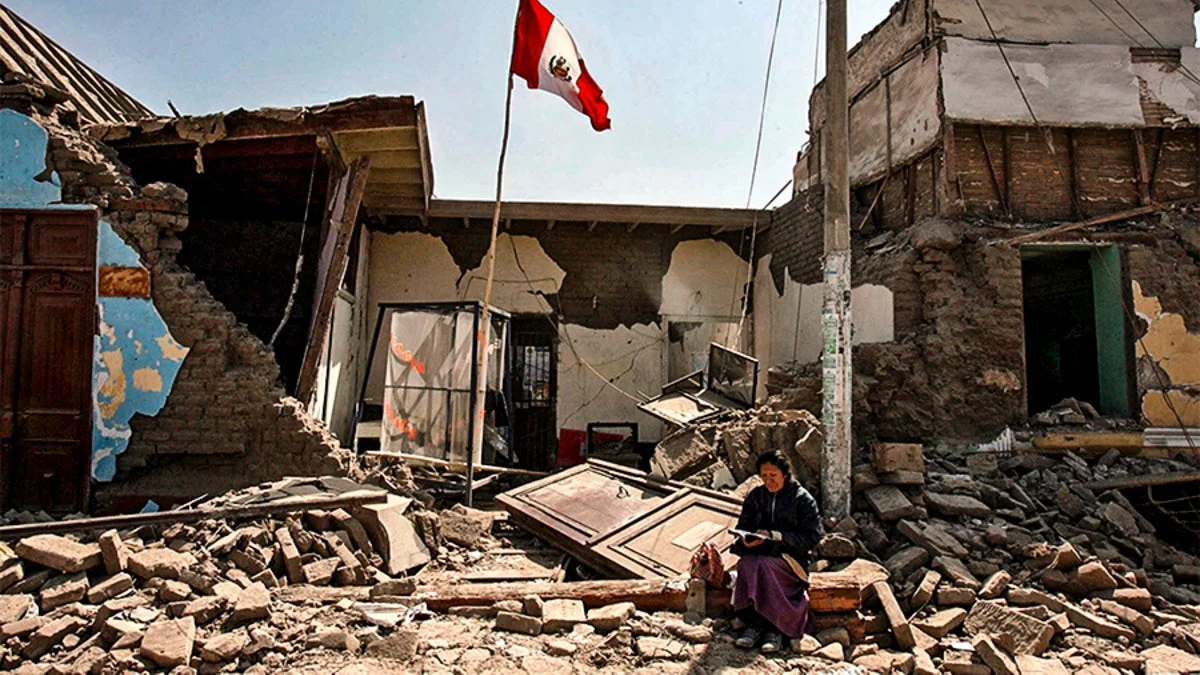
In a decisive move to fortify the nation’s agricultural backbone against the looming threat of an extraordinary El Niño (FEN) phenomenon, the Peruvian Ministry of Agrarian Development and Irrigation (Midagri) has announced the imminent launch of two specialized parametric insurance products. Designed to provide rapid financial relief, these insurance schemes target coffee producers and alpaca farmers, two of the most vital yet vulnerable sectors of the Peruvian economy.
As climate forecasts suggest that sea temperatures may surpass historical records, the government is shifting from traditional, slow-moving disaster response models toward proactive, data-driven financial tools. This initiative reflects a broader strategy to modernize how the state protects small-scale producers against the volatility of an increasingly unpredictable climate.
The Mechanics of Parametric Insurance: A Paradigm Shift
Unlike traditional agricultural insurance, which relies on time-consuming field inspections to assess individual crop damage, parametric insurance operates on a pre-defined "trigger." Once a specific weather-related parameter—such as a precise threshold of rainfall, temperature, or wind speed—is reached or exceeded, the insurance policy automatically triggers an indemnity payout.
This mechanism is revolutionary for the Peruvian context, as it eliminates the bureaucratic delays that often exacerbate the distress of rural families following a climate disaster. By removing the need for loss adjustment, Midagri aims to ensure that liquidity reaches the farmers at the exact moment they need it most to recover their livelihoods.
Iván Mena Alberca, Director of the Direction of Insurance and Promotion of Agrarian Financing at Midagri, underscored the significance of this innovation during the "Sowing Resilience" event, which focused on microfinance in the face of the FEN. "If these mechanisms are approved, we will have two new insurance products, a landmark innovation for Peru based on international best practices," Mena stated.
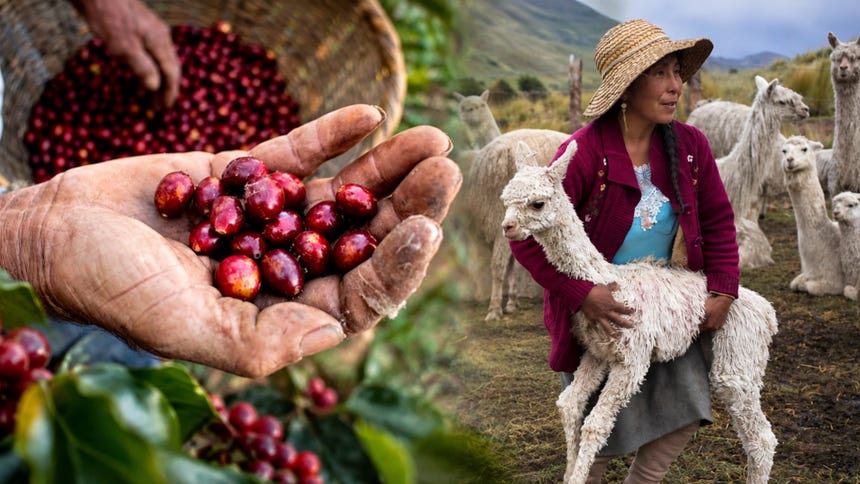
Targeted Support: Coffee and Alpaca Sectors
The rollout will be phased, prioritizing regions with the highest density of production and vulnerability. The strategy focuses on two distinct agricultural profiles: market-oriented smallholders and those primarily engaged in subsistence farming.
The Coffee Sector: Empowering the Highlands
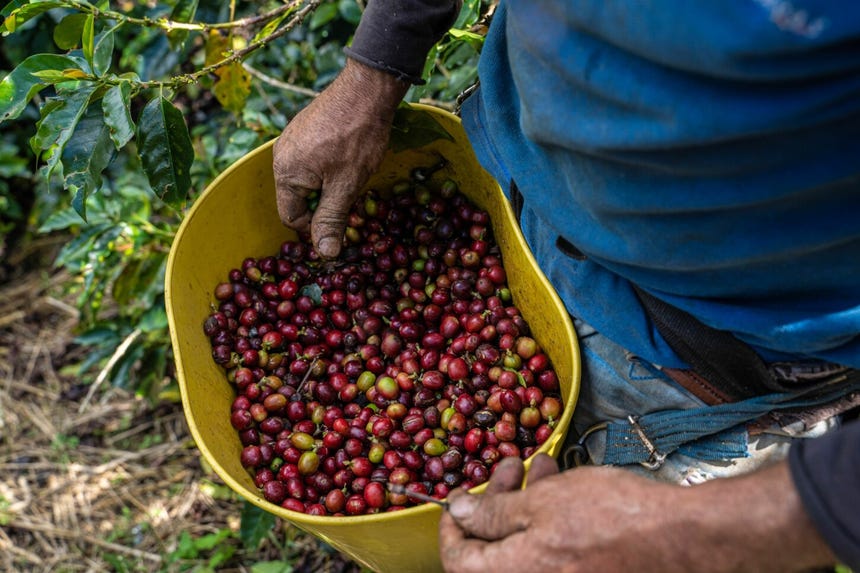
The coffee insurance initiative is slated to begin with an initial cohort of 12,000 to 15,000 producers. The primary focus is the department of Cajamarca, a region recognized as a premier coffee hub with a relatively high degree of integration into the formal financial system.
According to Midagri, this will be a co-financed product. By sharing the cost between the State and the producers, the government aims to encourage a culture of risk management among coffee growers who are already connected to credit markets. This approach not only provides a safety net but also protects the credit profiles of these farmers, ensuring that a climate disaster does not lead to a cycle of debt.
The Alpaca Industry: A 100% State-Funded Shield
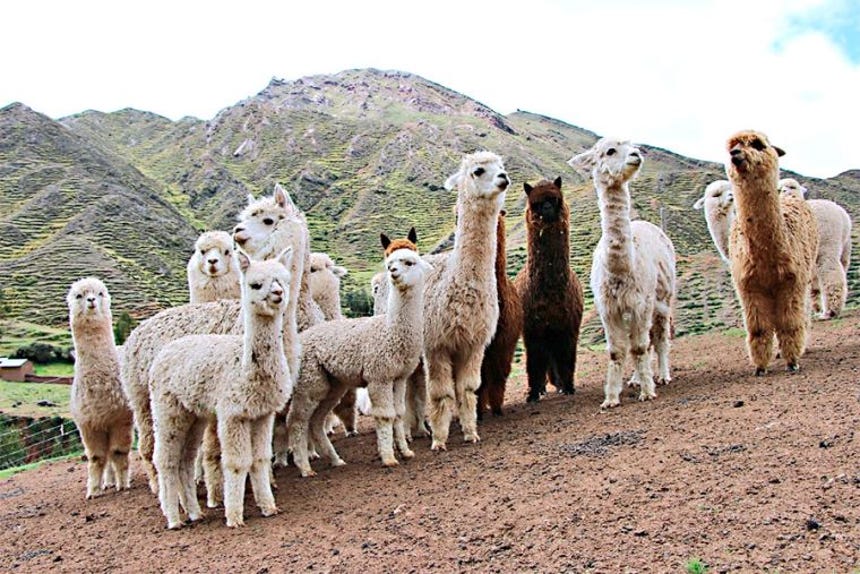
Conversely, the insurance for alpaca farmers is designed to reach the most remote, vulnerable communities. The first phase will launch in Puno, which accounts for approximately 50% of Peru’s total alpaca production. Approximately 37,000 families are expected to benefit from this, with the policy being 100% financed by the State. This distinction recognizes the unique socio-economic landscape of the Andean highlands, where traditional subsistence and small-scale commercial activities are heavily reliant on livestock health.
Chronology and Strategic Implementation
The path to these insurance products has been marked by a series of administrative and technical milestones:
- Mid-2023: Recognition of the extreme risk posed by the projected El Niño, prompting the Midagri to accelerate its search for flexible insurance alternatives.
- Late 2023: Drafting of the policy parameters and alignment with international actuarial standards to ensure the sustainability of the insurance funds.
- Current Phase: The Ministry is finalizing the regulatory framework. The products are expected to be launched in the coming weeks, pending the final approval of the specific triggering parameters.
- Future Outlook: The initial phases in Cajamarca and Puno will serve as a pilot. Midagri plans to use the data collected from these implementations to scale the programs to other regions of the country over the next two years.
Supporting Data: Why Regional Focus Matters
The decision to target Cajamarca and Puno is not arbitrary; it is rooted in deep structural data:
- Cajamarca (Coffee): With high levels of production and an established network of financial service providers, the region is the ideal candidate for a co-financed product. The synergy between agricultural credit and insurance protects the financial system’s stability while shielding the farmer.
- Puno (Alpacas): As the epicenter of the Peruvian alpaca industry, any disruption in Puno sends shockwaves through the national economy. The 37,000 families involved in this sector represent a critical mass of human capital that is highly sensitive to temperature fluctuations and drought, making a 100% state-subsidized policy a matter of national food and economic security.
Across both programs, the potential reach is estimated at 52,000 households—a significant increase in the nation’s total coverage against climate catastrophes.
Official Perspectives: A Nuanced Approach to Agriculture
Midagri officials emphasize that there is no "one-size-fits-all" solution for the Peruvian agricultural landscape. In his remarks, Iván Mena highlighted the dichotomy of the sector:
- The Vulnerable Subsistence Sector: For these farmers, the Catastrophic Agricultural Insurance (SAC) remains the primary tool. These are producers whose output is primarily for their own consumption and who operate with very thin margins.
- The Market-Oriented Smallholder: This group requires a more sophisticated financial instrument. They produce for the market, carry debt, and require a policy that reflects the actual economic loss of their crop, which is why the co-financed parametric insurance is being positioned as a superior alternative for this specific demographic.
Financial Commitment: The S/380 Million Package
The new insurance products are part of a massive, comprehensive government response. Midagri has secured a budget of S/380 million to address the threats posed by the climate phenomenon. This funding package is multi-faceted:
- Structural Prevention: A significant portion of the budget is allocated to the desilting of rivers and the reinforcement of critical drainage basins to mitigate flooding.
- Direct Aid: The provision of essential kits, including irrigation equipment, vitamins for livestock, and portable water troughs for animals, ensures that farmers have the tools to maintain productivity even under duress.
- Financial Resilience: The insurance premiums themselves are supported by this broader budgetary allocation, ensuring that the state can meet its payout obligations should the "triggers" be activated.
Broader Implications and Future Challenges
The introduction of these insurance products marks a shift in the philosophy of the Peruvian state. Instead of acting merely as a donor of last resort during a crisis, the state is evolving into a partner in risk management. By leveraging technology and climate data, Peru is signaling to the global agricultural community that it is taking the climate crisis seriously.
However, the success of this program will depend on several factors:
- Technical Accuracy: The triggers must be calibrated perfectly. If they are too conservative, farmers will remain unprotected; if they are too sensitive, the fiscal cost to the state will become unsustainable.
- Communication and Education: Small-scale farmers need to be educated on how these products work. Trust is paramount; if a farmer does not understand why a payout was or was not triggered, the program could face significant backlash.
- Coordination: Success requires seamless cooperation between the Ministry of Economy and Finance, Midagri, and the private insurance companies that will underwrite these policies.
As the nation waits for the formal launch, the mood in the agricultural sector is one of cautious optimism. If successful, this model could become the gold standard for agricultural protection in Latin America, providing a blueprint for other nations to follow in the fight against climate-induced volatility. By prioritizing the safety of the smallholder, the Peruvian government is not only protecting lives but also ensuring that the country’s agricultural heritage—coffee and alpaca wool—continues to thrive on the global stage, regardless of the challenges the climate may bring.