Executive Summary: A Catalyst for Regional Development
The modernization of the Huarocondo–Zurite road corridor in the Cusco region has officially reached a critical juncture, with the Plan Copesco of the Cusco Regional Government reporting a 75% physical completion rate. This ambitious infrastructure project, which commands an investment exceeding 51 million soles, stands as a cornerstone of the regional administration’s efforts to bridge the gap between rural agricultural productivity and modern logistical efficiency.
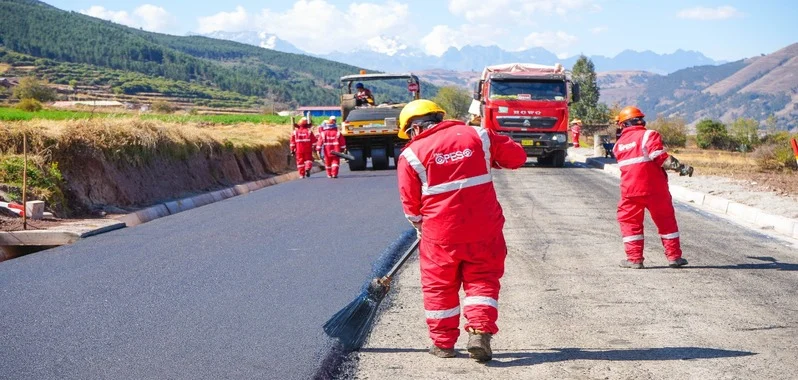
Spanning a total of 6.6 kilometers, the project is not merely an exercise in paving; it is a sophisticated engineering endeavor designed to accommodate both heavy agricultural transport and the burgeoning tourism sector. By combining 3.1 kilometers of articulated pavement with 3.4 kilometers of high-grade asphalt, the regional government is tailoring the road’s surface to meet the specific environmental and load-bearing requirements of the Anta province’s unique topography. As the project enters its final phase, the promise of improved quality of life for over 3,640 local families looms large, positioning this road as a vital artery for the region’s socio-economic future.
Chronology of Development: From Planning to Paving
The Huarocondo-Zurite project did not emerge in a vacuum; it is the culmination of years of advocacy by local stakeholders and meticulous planning by regional engineering bureaus.
- Project Inception and Feasibility: Initial studies identified the road as a critical bottleneck for local farmers. The degradation of the previous route hindered the timely transport of agricultural products, leading to significant post-harvest losses.
- Approval and Allocation: Following the successful lobbying of the regional government, the project was officially incorporated into the Plan Copesco’s investment portfolio. The budget of 51 million soles was ring-fenced to ensure that the project would not be derailed by the cyclical economic fluctuations often seen in large-scale public works.
- Mobilization Phase: Construction crews moved in, facing the dual challenges of high-altitude geography and the need to preserve the surrounding agricultural landscape, which is renowned for its historical importance.
- The 75% Milestone: As of the latest report, the project has successfully transitioned from the foundational stages to the surface finishing phase. The current focus remains on ensuring that the pavement specifications—articulated for high-traffic zones and asphalt for standard stretches—are met with rigorous quality control.
- Projected Completion: The regional government has confirmed that the project is on track for full delivery before the end of the current calendar year, marking a significant win for the administration’s infrastructure agenda.
Technical Specifications and Infrastructure Design
Engineering a road in the Peruvian Andes requires a nuanced understanding of soil stability, water drainage, and load dynamics. The Huarocondo-Zurite corridor utilizes a hybrid paving approach to ensure durability and long-term maintenance sustainability.

The Hybrid Pavement Strategy
The decision to implement both articulated pavement and asphalt is a calculated design choice. Articulated paving (interlocking blocks) provides superior resilience in areas prone to high moisture or where heavy vehicle maneuvers occur, such as near transit hubs or village entry points. Conversely, the 3.4 kilometers of asphalt provide a smooth, high-speed surface for the remainder of the route, significantly reducing vehicle wear and tear and fuel consumption for local transporters.
Sustainable Integration
Beyond the mechanics of the road, the design team has prioritized environmental and cultural sustainability. Given that the route serves as a gateway to the famed Andenes de Zurite—a testament to Inca agricultural ingenuity—the road’s footprint has been minimized to avoid encroachment on protected historical sites. Furthermore, advanced drainage systems have been integrated to prevent the runoff that typically erodes rural roads during the intense Andean rainy season.
Socio-Economic Implications: Transforming the Anta Province
The completion of this infrastructure project will have a profound ripple effect on the economic landscape of the Anta province.
Empowering the Agricultural Sector
For the 3,640 families residing in the area, the road is a literal lifeline. The ability to move fresh produce to Cusco’s major markets in a fraction of the time currently required will drastically increase profit margins for small-scale farmers. Reduced transit times mean fresher goods, lower transportation costs, and a more competitive position for Anta’s agricultural products in the regional market.

Unlocking Tourism Potential
The road also serves as a strategic tourism corridor. By facilitating easier access to the Q’ente Qenteyoq and Tumibamba archaeological complexes, the project effectively opens a new circuit for travelers seeking to explore beyond the traditional tourist paths. This influx of visitors is expected to stimulate the local hospitality sector, including small-scale culinary ventures and craft markets, thereby diversifying the income streams of rural households.
Official Perspectives: The Role of Plan Copesco
The Plan Copesco, an agency within the Cusco Regional Government, has been the primary architect and supervisor of this endeavor. In official statements, representatives have emphasized that the project is more than just asphalt and concrete; it is a commitment to "Closing the Gap" between rural and urban development.
Regional authorities have highlighted that the strict adherence to the project timeline is a testament to the transparency and efficiency of the current bidding and execution processes. By maintaining a 75% progress rate, the government is signaling its capability to deliver complex public works without the administrative delays that have historically plagued infrastructure projects in the Cusco region.
The oversight committee has also reiterated the importance of public feedback. By engaging with the community throughout the construction process, the government has ensured that the project addresses the immediate needs of the users, such as pedestrian safety zones and adequate signage near schools and agricultural centers.

Future Outlook: Connectivity as a Foundation for Growth
As the Huarocondo-Zurite road approaches its final delivery date, the focus is shifting toward long-term maintenance and integration with broader regional transit networks. The success of this project serves as a model for future infrastructure investments in the highlands.
Maintenance and Sustainability
A recurring challenge in Peruvian infrastructure is the lack of a maintenance culture. To address this, the current plan includes a post-construction monitoring phase, ensuring that the road remains in optimal condition for at least the next decade. Training programs for local maintenance crews are being considered to ensure that the community can participate in the ongoing care of the infrastructure.
A Gateway to Regional Integration
Looking ahead, this road is viewed as a vital link in a much larger regional integration strategy. By improving the quality of the Huarocondo-Zurite connection, the government is essentially strengthening the backbone of the Cusco region’s transport network. Future phases may involve connecting this route to larger national highways, further cementing the role of the Anta province as a hub of connectivity between the agricultural heartland and the commercial centers of the region.
Conclusion
The Huarocondo-Zurite project stands as a landmark achievement in modern regional infrastructure. By balancing technical precision, cultural preservation, and a focus on economic empowerment, the Cusco Regional Government is setting a new standard for public works. With the project nearing completion, the residents of Anta are poised to enter a new era of connectivity—one that promises not just a smoother ride, but a more prosperous, accessible, and integrated future for all who traverse this historic landscape. As the final layers of asphalt are laid, the 51 million-sol investment stands as a testament to what is possible when infrastructure is designed with the citizen at the center.