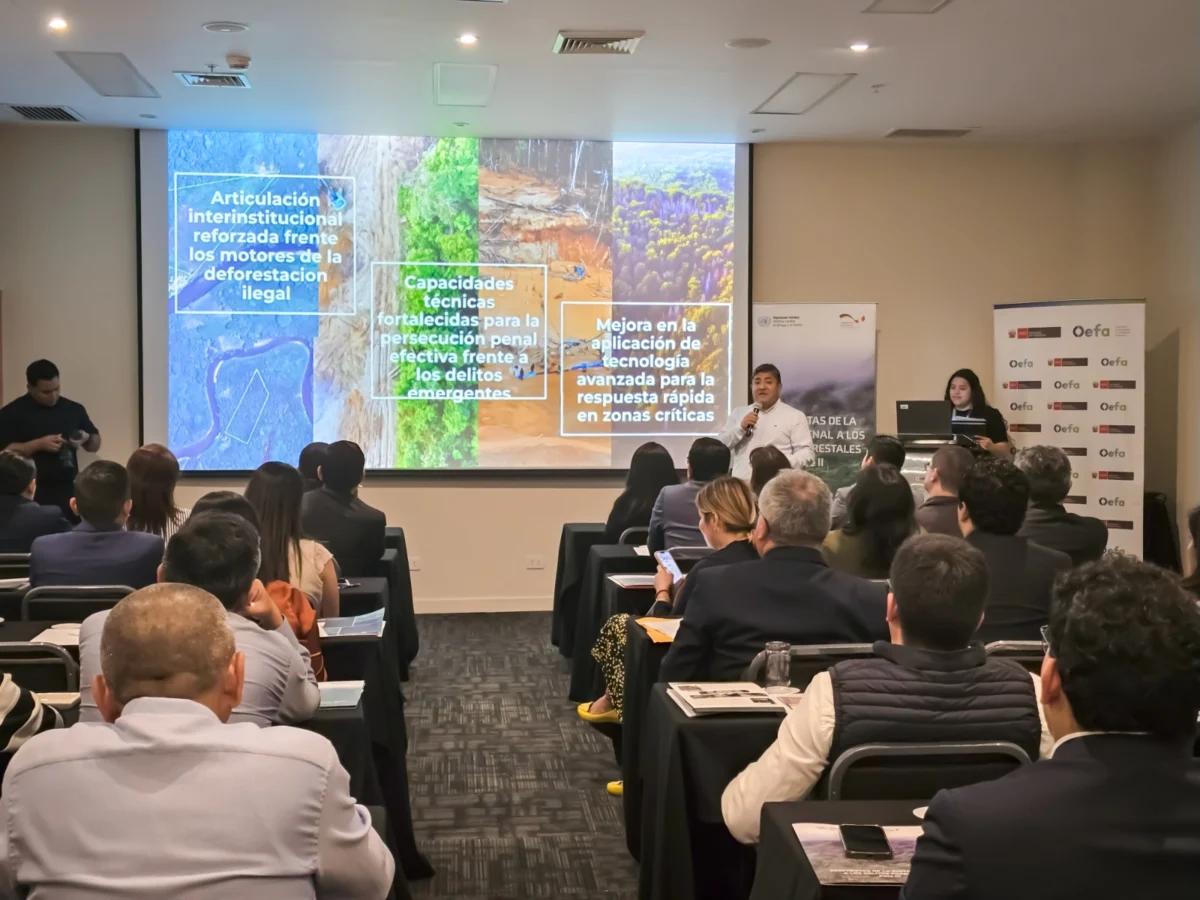
In a decisive move to bolster the protection of Peru’s fragile ecosystems, the Environmental Evaluation and Enforcement Agency (OEFA), a specialized body under the Ministry of the Environment, has solidified a strategic partnership with the United Nations Office on Drugs and Crime (UNODC). This collaboration marks a significant escalation in the national and international effort to combat the environmental degradation caused by illegal mining—a practice that threatens not only biodiversity but also the rule of law and the socio-economic stability of local communities.
Through a series of high-level interinstitutional sessions, experts from both organizations have sought to harmonize the technical and operational capacities of justice operators and environmental enforcement agencies (EFAs). By focusing on the entire value chain of illicit mining, the partnership aims to equip public servants with the tools necessary to identify, prioritize, and quantify environmental damage, while fostering a culture of preventive oversight.
The Core Mandate: Combatting the Shadow of Illegal Mining
Illegal mining in Peru is not merely an economic concern; it is a complex crime that intersects with environmental destruction, money laundering, and human rights violations. The recent initiative spearheaded by OEFA and UNODC aims to address the systemic gaps that have historically allowed illegal operations to flourish under the guise of formality.
The training modules provided during these sessions focused on enhancing the competency of public officials responsible for enforcing environmental law. By standardizing criteria for identifying socio-environmental conflicts and promoting preventive supervision, the institutions aim to ensure that legal obligations within the extractive sector are strictly upheld.
Key Objectives of the Partnership:
- Capacity Building: Training justice operators in the intricacies of environmental forensic evidence.
- Preventive Supervision: Shifting the paradigm from reactive enforcement to proactive monitoring of mining operations.
- Legal Standardization: Creating a unified approach to interpreting and applying the regulatory framework governing different scales of mining.
- Interinstitutional Synergy: Breaking down information silos between environmental regulators, the judiciary, and law enforcement.
A Deep Dive into Regulatory Mechanisms: REINFO and IGAFON
A cornerstone of the collaborative training was the strategic application of the Comprehensive Registry of Mining Formalization (REINFO) and the Environmental Management Instrument for the Formalization of Small-Scale and Artisanal Mining (IGAFON).
These instruments, while designed to bring miners into the legal fold, have often been exploited as shields for illicit activities. OEFA and UNODC specialists conducted in-depth sessions on the technical nuances of these systems. The goal is to ensure that officials can distinguish between miners genuinely seeking to formalize and those utilizing these registrations as a facade to mask unauthorized, environmentally destructive operations.
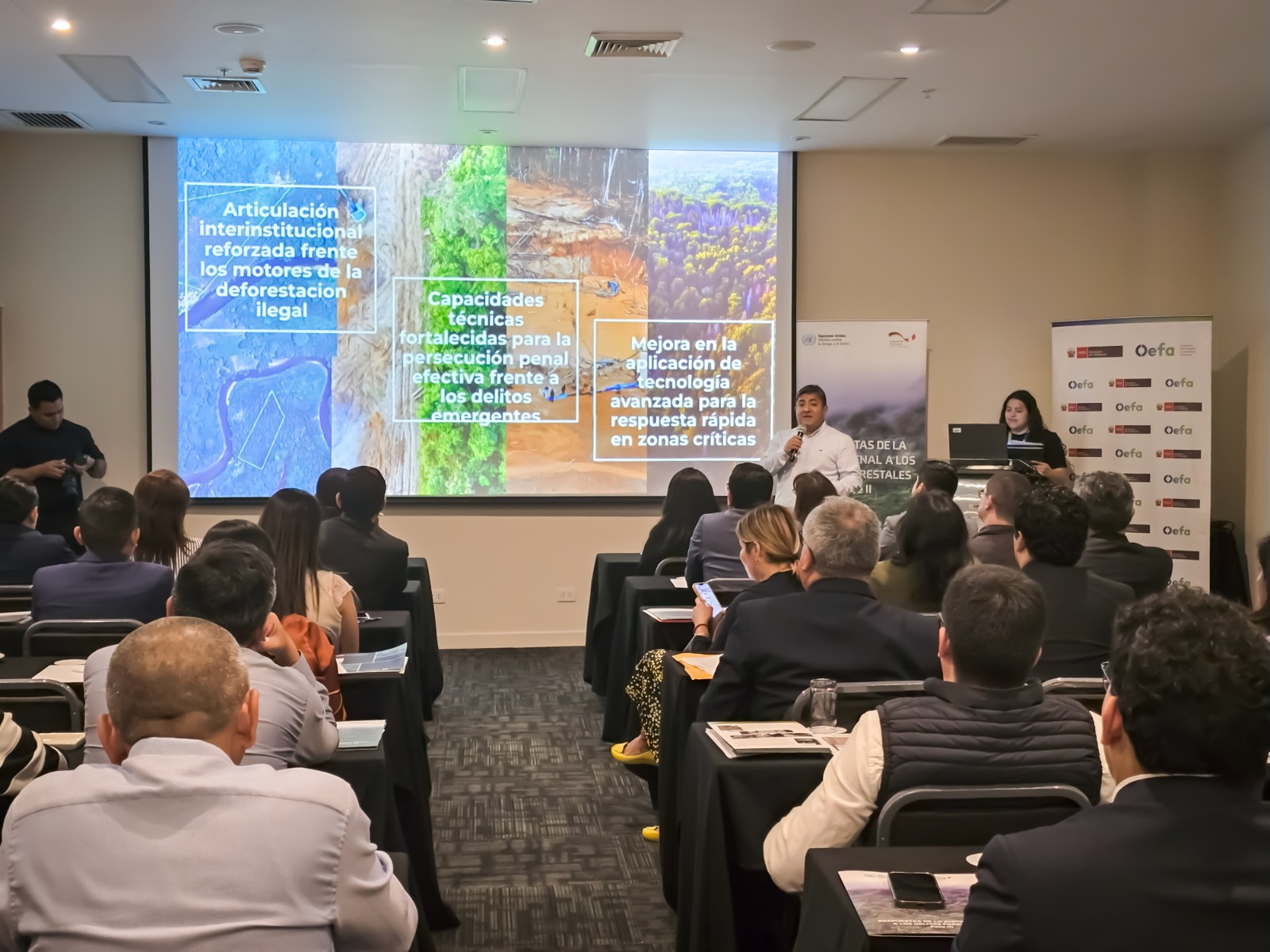
By refining the interpretation of these documents, officials are better positioned to build robust dossiers for criminal prosecution. This represents a significant shift toward holding perpetrators accountable for environmental crimes that were previously shielded by administrative ambiguities.
Chronology of the Initiative
The current partnership is the culmination of long-term efforts to integrate global expertise into national environmental enforcement strategies.
- Initial Engagement: Discussions began with an assessment of the current challenges faced by Peruvian environmental authorities in detecting illegal mining operations in remote regions.
- Policy Alignment: The UNODC identified the need for a targeted approach under their Global Programme on Crimes that Affect the Environment (GP-CAE).
- Capacity Building Launch: The recent series of workshops and interinstitutional coordination meetings were held to bridge the gap between technical assessment and legal execution.
- International Integration: The initiative was bolstered by the inclusion of programs supported by the German Federal Ministry for Economic Cooperation and Development (BMZ) and the Government of Italy (ITAJUS), reflecting a global commitment to protecting the Amazonian and Andean ecosystems.
The Role of Global Programs and International Support
The collaboration is deeply embedded in the UNODC’s Global Programme on Crimes that Affect the Environment (GP-CAE). This program provides the framework for countries to tackle the organized nature of environmental crime.
Supporting International Initiatives:
- The "Criminal Justice Response to Forest Crime: Phase III" Project: Supported by the German BMZ, this project provides the critical legal training required to turn environmental inspections into successful criminal prosecutions. It recognizes that environmental crime is rarely a localized issue but rather a trans-border concern involving illegal supply chains.
- The ITAJUS Program: Supported by the Italian government, this program focuses on strengthening judicial and investigative capacities. By sharing best practices from European judicial systems, the program assists Peru in refining its investigative techniques regarding organized criminal groups involved in environmental degradation.
These international contributions have provided the technical and financial scaffolding necessary for the OEFA to scale its operations and influence beyond standard regulatory duties.
Implications for Environmental Justice and Sustainability
The implications of this alliance are far-reaching. By strengthening the technical expertise of the judiciary, the State is signaling that environmental crimes will no longer be treated as administrative misdemeanors but as serious offenses with significant criminal consequences.
Implications for the Extractive Sector:
The formal mining sector, which adheres to stringent environmental standards, stands to benefit from a more level playing field. By cracking down on illegal actors who do not incur the costs of environmental compliance, the State is protecting the economic viability of sustainable, regulated mining.
Implications for Ecosystem Protection:
For the vulnerable ecosystems of Peru—ranging from the high-altitude Andean watersheds to the dense tropical forests of the Amazon—this partnership offers a new layer of protection. Preventive supervision means that illegal activity can be identified and halted before it causes irreversible damage, such as mercury contamination or large-scale deforestation.
Implications for Public Policy:
The integration of international standards into local practice ensures that Peru remains at the forefront of the fight against environmental crime in Latin America. It serves as a model for other nations in the region that struggle with similar challenges of illegal resource extraction.
Conclusion: A United Front for the Future
The collaboration between the OEFA and the UNODC is more than a technical training exercise; it is a declaration of intent. By aligning the efforts of environmental regulators with the machinery of criminal justice, the Peruvian government is creating a more resilient defense against the forces of illegal mining.
As these initiatives continue to unfold, the focus will remain on the sustained application of these new competencies. The goal is a long-term shift in the landscape of environmental enforcement, where the rule of law is the primary deterrent against the exploitation of natural resources.
With the backing of international partners like Germany and Italy, and the dedicated expertise of the UNODC, the OEFA is better equipped than ever to navigate the complex challenges of the 21st century. The protection of Peru’s natural heritage is not only a national priority but a global imperative, and through this interinstitutional synergy, the country is taking decisive steps toward a future defined by sustainability, justice, and the rigorous rule of law.
About the Organizations:
- OEFA: The Environmental Evaluation and Enforcement Agency is the lead entity in charge of environmental oversight in Peru, ensuring that the country’s natural resources are managed in accordance with legal environmental standards.
- UNODC: The United Nations Office on Drugs and Crime is a global leader in the fight against illicit drugs and international crime, working to promote security, justice, and human rights through the implementation of international conventions and regional programs.