The Peruvian mining sector has received a significant boost with the recent regulatory approval granted to the Unidad Minera Crespo. In a move that underscores the ongoing optimization of existing mining assets in the Cusco region, the National Service of Environmental Certification for Sustainable Investments (Senace) has officially authorized a substantial expansion of the operational capacity of the Crespo mine. This development marks a pivotal moment for the project, which only entered production earlier this year, signaling a robust commitment to maximizing the resource potential of the Chumbivilcas province.
Main Facts: A Leap in Operational Scale
On August 28, 2026, Senace issued Directorial Resolution No. 00138-2026-SENACE-PE/DEAR, granting the green light for the Second Technical Supporting Report (ITS) presented by Compañía Minera Crespo S.A.C. This authorization comes backed by a comprehensive assessment documented in Report No. 00551-2026-SENACE-PE/DEAR-UFM, clearing the path for an investment infusion of US$ 47.7 million.
The core of this expansion is a dramatic scaling of production volumes. The primary objective is to elevate the exploitation capacity at the Crespo open-pit mine from its initial baseline of 6,500 metric tons per day (TMD) to 14,500 TMD. This more than twofold increase is designed to align the mine’s output with the company’s long-term production targets and the operational efficiencies identified since the commencement of activities.
Accompanying the increase in pit extraction is a mirroring expansion in the leaching pad capacity. The project will see the heap leaching operation scale from 6,500 TMD to 14,500 TMD. Crucially, the company has clarified that this surge in volume will not require a proportional expansion of the physical footprint. Instead, the strategy relies on refining the ore granulometry, optimizing irrigation cycles, and maintaining current water and input consumption ratios. This is a classic example of "brownfield" optimization, where existing equipment is pushed to its latent, previously underutilized capacity.
Furthermore, the primary and secondary crushing plants will see their throughput increased from 6,500 TMD to 10,500 TMD. By leveraging the design headroom of the currently installed machinery, the company aims to minimize capital expenditure on new heavy infrastructure while maximizing the economic return on the existing US$ 150 million investment.
Chronology: From Acquisition to High-Altitude Production
The journey of the Crespo project is characterized by rapid transition and strategic consolidation within the Peruvian mining landscape.
- 2024: A transformative year for the asset, as the project was acquired from the global mining major Hochschild Mining by the Peruvian group APUCORP (associated with Minera Apumayo). This acquisition was seen as a major move by a domestic player to consolidate a high-value asset in the southern highlands.
- 2025: Throughout the year, extensive preparation, site stabilization, and technical commissioning were undertaken to prepare the mine for its operational launch.
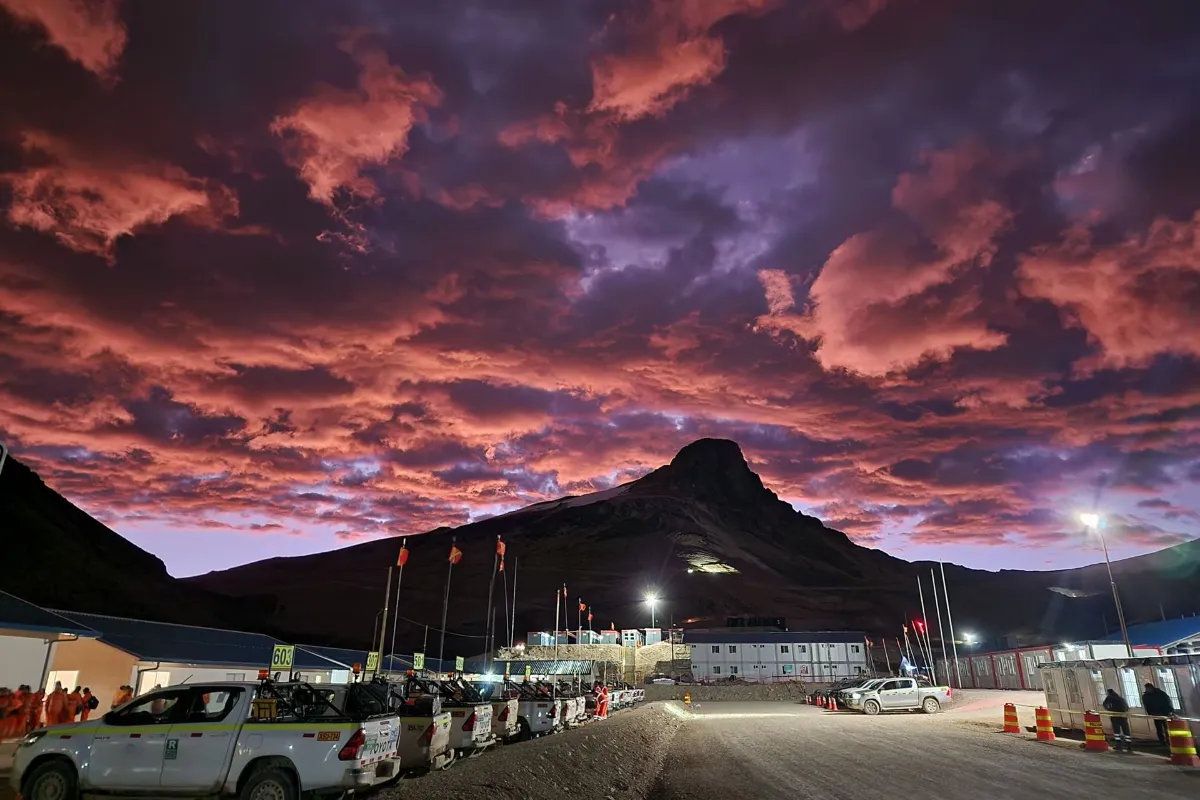
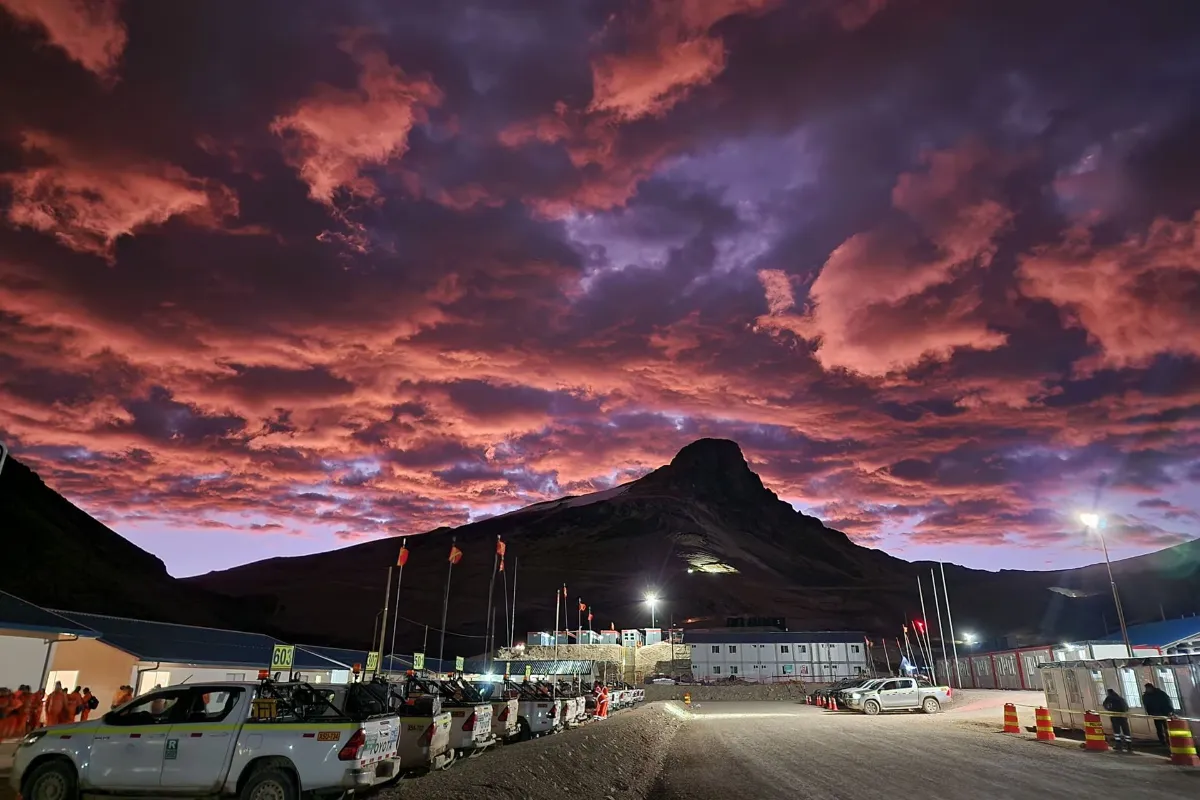
- February 2026: Unidad Minera Crespo formally commenced production. The project, situated at an extreme altitude of over 5,000 meters above sea level in the Chumbivilcas province, began its life as a modern, efficient open-pit gold and silver producer.
- August 2026: Within six months of reaching commercial production, the company secured the necessary environmental and technical approvals from Senace to significantly upscale its operational capacity, reflecting confidence in the resource body and the technical team’s ability to manage high-altitude operations.
Supporting Data: The Logistics of High-Altitude Mining
Operating at altitudes exceeding 5,000 meters presents a unique set of engineering and human resource challenges. The Unidad Minera Crespo is a testament to the advancements in Peruvian mining technology, which allow for the economic extraction of precious metals in some of the most challenging terrains on Earth.
The decision to opt for an ITS (Technical Supporting Report) rather than a full Environmental Impact Assessment (EIA) modification highlights that the planned changes do not involve significant new environmental impacts. The company has demonstrated that the "excess capacity" of the plant—often a standard buffer in initial engineering designs—can be utilized effectively.
By focusing on the following, the company maintains its sustainability credentials:
- Granulometry Optimization: By fine-tuning the crushing size of the ore, the surface area available for leaching increases, allowing for higher throughput without requiring larger leaching pads.
- Cycle Efficiency: By shortening the irrigation cycles, the total volume of ore processed per unit of time increases, optimizing the existing pad surface.
- Capital Efficiency: The US$ 47.7 million investment is largely directed toward operational adjustments and equipment maintenance rather than massive civil works, which minimizes the ecological footprint of the expansion.
Official Responses and Stakeholder Perspective
While formal statements from the regulatory body emphasize the rigorous review process conducted by the DEAR-UFM technical unit, industry analysts view the approval as a positive signal for investment in Peru. The Senace process, while thorough, has successfully provided a pathway for the mining company to adapt to market conditions and internal production goals without unnecessary bureaucratic delays.
For APUCORP, the expansion is an affirmation of their strategy to build a robust portfolio of high-altitude mining assets. The transition from the project’s previous ownership under Hochschild to its current, more agile management structure has been widely cited as a success story in regional mining development. The local communities in Chumbivilcas are expected to benefit from the sustained, and now increased, employment opportunities and the tax contributions that come with higher production volumes.
Implications: A Strengthened Mining Sector in Cusco
The implications of this expansion go beyond the numbers on a balance sheet.
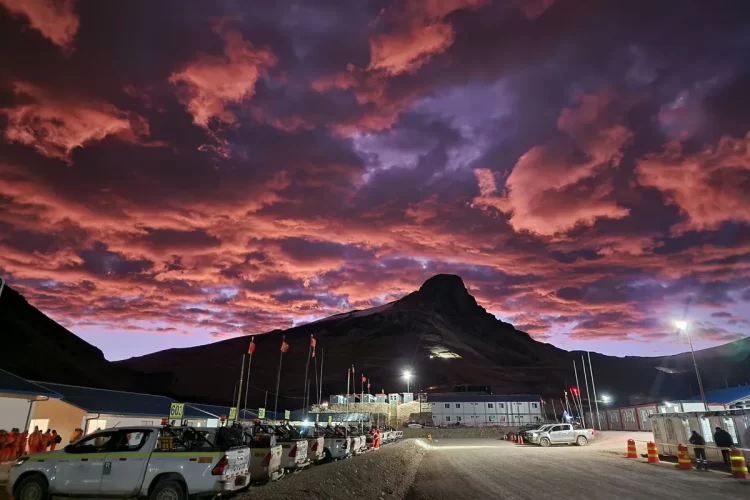
Economic Impact: The move adds significant value to the regional economy of Cusco. As a major contributor to the provincial tax base, the increased production at Crespo ensures a longer and more productive life for the mine, providing stability to the local supply chain and workforce.
Industry Trends: This project exemplifies a growing trend in the Peruvian mining industry: the pivot toward optimizing existing brownfield projects. In an era where obtaining "social license" for new, large-scale greenfield projects is increasingly complex, the ability to expand existing operations through technical optimization is a highly valued skill.
Sustainability: By opting for an approach that does not require the expansion of the physical footprint of the leaching pads or the construction of new major infrastructure, the project minimizes land-use change. This strategy aligns with the growing demand for "responsible mining," where efficiency is synonymous with sustainability.
Future Outlook: The successful scaling of the Crespo mine sets a precedent for other operators in the high-altitude regions of the Andes. It demonstrates that with precise technical planning and adherence to rigorous environmental standards, mines can safely and sustainably increase their output to meet the global demand for gold and silver.
As the project moves into this new phase of increased capacity, the focus will shift to maintaining the high safety and environmental standards that allowed for such a rapid regulatory approval. The success of the Crespo expansion will likely be monitored by peers in the industry as a case study in how to unlock hidden value within an existing asset, ensuring that Peru remains a world-class destination for mining investment in the years to come.