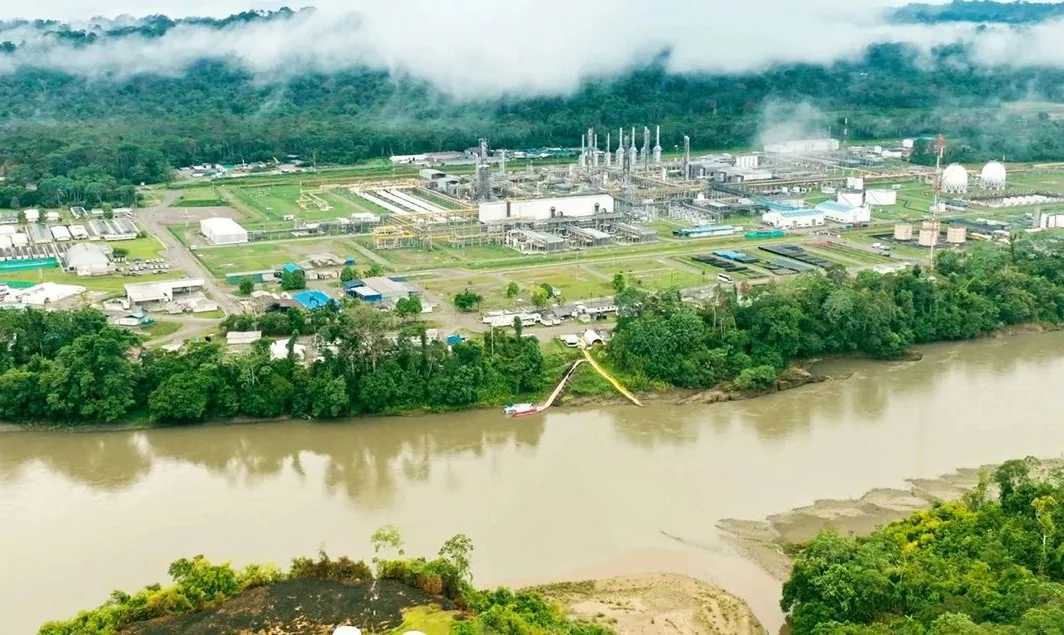
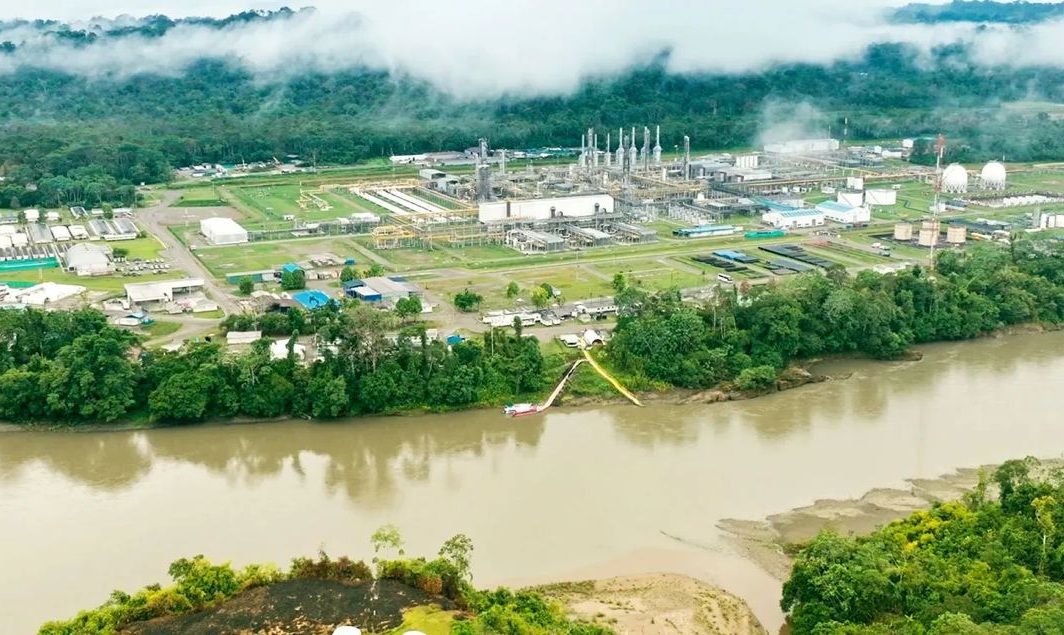
The heartbeat of Peru’s energy sector—the Camisea gas project—continues to serve as a vital engine for economic decentralization. Between January and July of the current year, the Camisea Socioeconomic Development Fund (FOCAM) transferred a staggering S/ 256.29 million to regions critical to the nation’s energy infrastructure. These funds, generated directly from the production of natural gas, are currently fueling development across Ayacucho, Ica, Huancavelica, Lima (provinces), and Ucayali.
As these regions grapple with the challenges of infrastructure development, healthcare expansion, and environmental preservation, the consistent flow of FOCAM resources acts as a stabilizing force, transforming subterranean natural wealth into tangible public benefits.
Main Facts: Distributing the Wealth of the Subsoil
The most recent data highlights a strategic distribution of wealth that follows the physical trajectory of the Camisea pipeline network. The S/ 256.29 million distributed during the first seven months of the year underscores the fiscal health of the project and its commitment to the regions it traverses.
The breakdown of these transfers reveals the prioritization of areas that host the essential infrastructure of the gas transport system:
- Ayacucho: S/ 60.40 million
- Lima (Provinces): S/ 54.38 million
- Ica: S/ 50.54 million
- Huancavelica: S/ 45.97 million
- Ucayali: S/ 44.99 million
The velocity of these transfers remains robust. In the month of July alone, FOCAM injected S/ 49.45 million into the regional economies. This monthly infusion is vital for regional governments and municipalities, allowing them to manage cash flow for ongoing public works and essential service delivery.
Chronology: From Inception to Expanded Scope
To understand the current impact of FOCAM, one must look back to its origin in 2005. The fund was established as an intangible resource—a "shield" meant to ensure that the wealth extracted from the Camisea Lotes 88 and 56 would directly benefit the populations living along the gas pipeline’s route.
Key Milestones:
- 2005: The creation of FOCAM (Law N° 28451), establishing a clear mechanism for transferring 25% of royalties from the Camisea project to the regional governments, municipalities, and national universities of the affected areas.
- 2014-2022: A period of steady growth and maturation where the fund became a cornerstone of regional budgeting, funding everything from local schools to regional road networks.
- January 2023: A landmark shift occurred with the implementation of Law N° 31482. This legislative update officially incorporated Lote 57 into the FOCAM structure, broadening the base of production that feeds the fund and increasing the scope of its socioeconomic reach.
- 2024: FOCAM reached a significant annual milestone, with total transfers for the year amounting to S/ 488.8 million, demonstrating the continued productivity and economic significance of the Camisea fields.
Since its inception, the cumulative transfer total has reached an impressive S/ 7,566 million. This figure is more than just a statistic; it represents nearly two decades of sustained investment in the development of the Peruvian hinterland.
Supporting Data: The Mechanism of Royalty Distribution
FOCAM is not a discretionary fund; it is a precisely calculated fiscal instrument. It is defined as an "intangible fund," meaning the resources are legally protected and earmarked for specific developmental outcomes.
The calculation is derived from 25% of the royalties generated by Lotes 88, 56, and 57, calculated after the deductions for the national gas canon. This ensures that while the central government receives its portion for national development, the specific regions bearing the physical presence of the gas ducts receive a direct, proportional dividend.
Why the Fund Matters
The stability of the fund is tied to the production volume of the Camisea fields. As the project continues to innovate and maintain its operational capacity, the consistency of these transfers allows regional governors and mayors to engage in long-term multi-year planning, rather than relying on fluctuating federal grants.
Official Guidelines: Mandates for Development and Research
The utilization of FOCAM resources is strictly governed by the Law of FOCAM (Law N° 28451). Regional and local authorities do not have carte blanche in how they spend these funds; they are mandated to prioritize projects that contribute to "sustainable development" and the "improvement of the wellbeing of the communities involved."
The 10% Research Mandate
A critical, often overlooked aspect of the FOCAM legislation is the requirement that 10% of the total received by each region must be transferred to the national universities within their jurisdiction. This is a forward-thinking provision designed to foster:
- Scientific Research: Enabling local universities to study environmental impacts and energy efficiency.
- Technological Innovation: Encouraging the development of local solutions for regional challenges.
- Human Capital Development: Providing resources for laboratories, scholarships, and academic projects that keep the best talent within the region.
This ensures that the "gas wealth" is not just consumed in concrete and asphalt, but is also invested in the intellectual and scientific infrastructure of the country.
Implications: The Long-Term Vision for Camisea Regions
The existence and continued success of FOCAM represent a crucial case study in the "Resource Curse" avoidance strategy. By tethering royalty transfers directly to the geographic path of the infrastructure, Peru has created a system where regional development is explicitly linked to the operational success of the energy sector.
Environmental and Ecological Stewardship
The law explicitly mandates that funds be used to "procure the preservation of the environment and ecology." In the context of the Peruvian Andes and the Amazonian fringes, this is essential. As these regions experience industrial activity, the resources from FOCAM allow for the funding of environmental monitoring, waste management, and the mitigation of the ecological footprint associated with energy transport.
Socioeconomic Stability
For provinces like those in Ayacucho and Huancavelica, FOCAM represents a significant portion of their discretionary budget. Without these funds, many of these rural and semi-urban areas would face severe deficits in public infrastructure. The fund allows for the building of clinics, the improvement of water and sanitation systems, and the paving of rural roads, which are the arteries of local commerce.
The Challenge of Execution
While the funding is consistent, the challenge remains in the execution. The effectiveness of FOCAM is entirely dependent on the technical capacity of the local and regional governments to formulate viable, transparent, and high-impact projects. The next phase for FOCAM, as discussed in various policy circles, is not just about the volume of money transferred, but the quality of the projects it enables.
Conclusion
The Camisea Socioeconomic Development Fund stands as a testament to the potential of resource-led development when managed through clear, legislated, and transparent frameworks. By distributing over S/ 7.5 billion since 2005, the fund has bridged the gap between the high-tech, capital-intensive energy sector and the immediate needs of the Peruvian populace.
As the energy landscape of the world shifts, the importance of the Camisea project remains unchanged for Peru. With the ongoing support provided by FOCAM, the regions of Ayacucho, Ica, Huancavelica, Lima, and Ucayali are better equipped to navigate the future, ensuring that the bounty of the earth translates into a better quality of life for all citizens, while simultaneously nurturing the next generation of Peruvian scientists through the university research mandates.
The story of FOCAM is the story of modern Peru: a nation learning to harness its vast natural resources to build a more equitable, scientifically-minded, and regionally balanced future.