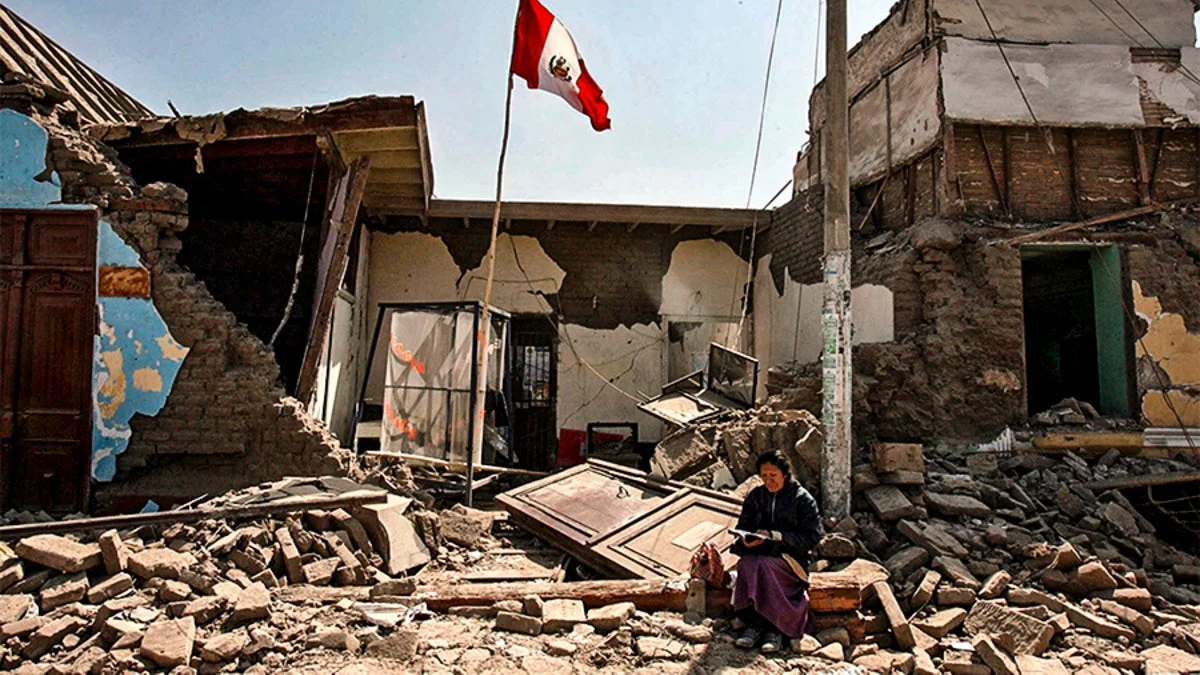
Introduction: A New Paradigm for Risk Management
In an era of increasing climate volatility and high seismic activity, the traditional insurance model—long defined by slow, bureaucratic, and often contentious claims processes—is facing a digital and structural transformation. The Superintendencia de Banca, Seguros y AFP (SBS), the regulatory body overseeing Peru’s financial system, has unveiled a groundbreaking regulatory framework for "parametric insurance." This innovation promises to redefine how the country manages the aftermath of natural disasters, moving away from the cumbersome requirement of physical damage assessments toward a system defined by objective, data-driven triggers.
Unlike standard indemnity policies, which rely on loss adjusters visiting sites to quantify property damage, parametric insurance functions on a binary logic: if a specific threshold is crossed, the payout is automatic. By leveraging satellite data, seismic monitoring, and meteorological indices, this model offers a streamlined, efficient, and cost-effective alternative for households, businesses, and the agricultural sector alike.
The Core Concept: How Parametric Insurance Functions
At its heart, a parametric policy is a financial contract that pays out based on the intensity of a predetermined event rather than the actual loss incurred. Under the proposed SBS regulations, a policyholder might sign a contract stipulating that if an earthquake of magnitude 7.0 or higher occurs within a 50-kilometer radius of a specific location, the insurance company is contractually obligated to pay a pre-agreed sum.
The beauty of this system lies in its simplicity. There is no need for a field agent to inspect a collapsed roof or evaluate water damage to a warehouse. The "parameter" (e.g., seismic magnitude or rainfall level) acts as the objective arbiter of the claim. If the data from an independent, verified source confirms the event has occurred, the funds are disbursed rapidly. This significantly reduces the "protection gap"—the time and financial strain between the occurrence of a disaster and the receipt of aid.
Chronology and Regulatory Evolution
The push for this regulatory framework did not happen in a vacuum. It is the result of years of observation regarding the limitations of traditional coverage in high-risk zones.
- Early Conceptualization: For years, international organizations like the World Bank and various reinsurance giants have championed parametric solutions for sovereign states. However, translating this to the retail and small-business level required a robust legal framework that the SBS is now providing.
- Drafting the Normative Project: Throughout 2023 and early 2024, the SBS engaged in technical analysis, consulting with stakeholders to define how to protect consumers from the risks inherent in "black-box" triggers.
- Apeseg’s Advocacy: The Peruvian Association of Insurance Companies (Apeseg) emerged as a key proponent, arguing that the reduction in operational overhead would allow for cheaper, more accessible products.
- Current Status: The SBS is currently refining the technical requirements for insurers, focusing on transparency, the selection of data sources, and the protection of the policyholder’s right to clear information.
Supporting Data and Technical Framework
For a parametric insurance system to gain public trust, the data sources must be unimpeachable. The SBS’s draft regulation places a heavy emphasis on the following technical requirements:
- Independent Data Sources: Insurers cannot simply use their own internal metrics to decide if a payout is due. They must rely on third-party, government-sanctioned, or internationally recognized scientific institutions (e.g., the Geophysical Institute of Peru for seismic data).
- Standardized Methodologies: The math behind the trigger must be transparent. If an insurance company claims a policy is triggered by a specific rainfall index, that index must be calculated using consistent, audited methods.
- The Role of Verification Agents: In complex contracts, the SBS suggests the inclusion of "calculation agents" or independent third parties who confirm that the parameter has been met, preventing any conflict of interest between the insurer and the insured.
By institutionalizing these requirements, the SBS ensures that parametric insurance does not become a tool for arbitrary denial, but rather a reliable financial instrument.
Official Perspectives: Apeseg and the SBS
Eduardo Morón, President of Apeseg, has been a vocal advocate for this change, highlighting the economic efficiency of the shift. "It is a different way of evaluating and triggering coverage," Morón stated. "It will serve to cover other needs more effectively for a large part of the population. It is no longer about the damage; it is about the trigger."
Morón emphasizes that the reduction in costs is not merely a theoretical gain for insurance companies. By eliminating the need to deploy fleets of adjusters and field teams to assess damage across hundreds of kilometers, insurers can lower premiums. "It is not more expensive; on the contrary, it can be very cheap because you don’t have to deploy verification teams," he added.
The SBS views this project as a crucial pillar for financial inclusion. Many low-income individuals in high-risk areas have historically avoided insurance because it was too expensive or the claims process was deemed too complex. By lowering premiums and simplifying payouts, the SBS hopes to bring a wider demographic into the formal financial system.
Implications: Beyond Earthquakes
While seismic events are the most obvious application for Peru, the scope of parametric insurance is significantly broader. The SBS framework contemplates the use of this model for:
- Extreme Weather Events: Rainfall intensity indices could trigger payouts for farmers during El Niño events, providing immediate liquidity for crop loss without needing a soil inspection.
- Fisheries: As suggested by Morón, sea-level monitoring or wave-height data could trigger automatic payouts for artisanal fishers, who are often forced to halt operations during volatile ocean conditions.
- Infrastructure and SMEs: Small businesses could secure coverage against major power grid failures or transit closures triggered by natural events, ensuring business continuity without the need for complex forensic accounting.
Challenges and Future Outlook
Despite the enthusiasm, the transition to parametric insurance is not without hurdles. The primary challenge is basis risk—the potential mismatch between the parameter (e.g., a magnitude 7.0 quake) and the actual loss (e.g., a building being destroyed by a magnitude 6.5 quake). If the event doesn’t trigger the parameter, the client receives nothing, even if they have suffered damage.
The SBS is addressing this through mandatory disclosure requirements. Insurers will be required to provide a "user guide" that explicitly explains the product’s parameters, the limitations of the coverage, and the "what-if" scenarios.
Furthermore, the implementation will require a high level of digital infrastructure. Reliable, real-time reporting of physical phenomena is the backbone of the system. Peru’s commitment to integrating scientific agencies into this financial ecosystem is a bold step that could serve as a model for other emerging economies in the Latin American region.
Conclusion: A More Resilient Peru
The introduction of parametric insurance regulations marks a pivotal moment for Peru’s financial sector. By embracing the marriage of technology and finance, the country is moving toward a more responsive and inclusive disaster management strategy.
For the average citizen, the promise is clear: less paperwork, faster access to funds, and more affordable premiums. For the insurance industry, it is an opportunity to innovate and expand into markets that were previously deemed too risky or costly to reach. As the SBS moves toward the final implementation of these rules, the focus will remain on balancing technological efficiency with rigorous consumer protection. In the face of nature’s unpredictability, parametric insurance may well become the country’s most reliable safety net.
Key Takeaways for Stakeholders:
- Regulatory Focus: The SBS is prioritizing transparency and independence of data sources.
- Consumer Impact: Potential for lower premiums and faster, automated payouts.
- Business Opportunity: A vast new segment of the population can be protected against climate and seismic risks.
- Next Steps: Insurers must now prepare the technical documentation, methodologies, and clear client-facing guides required to participate in this new market.