By Editorial Staff
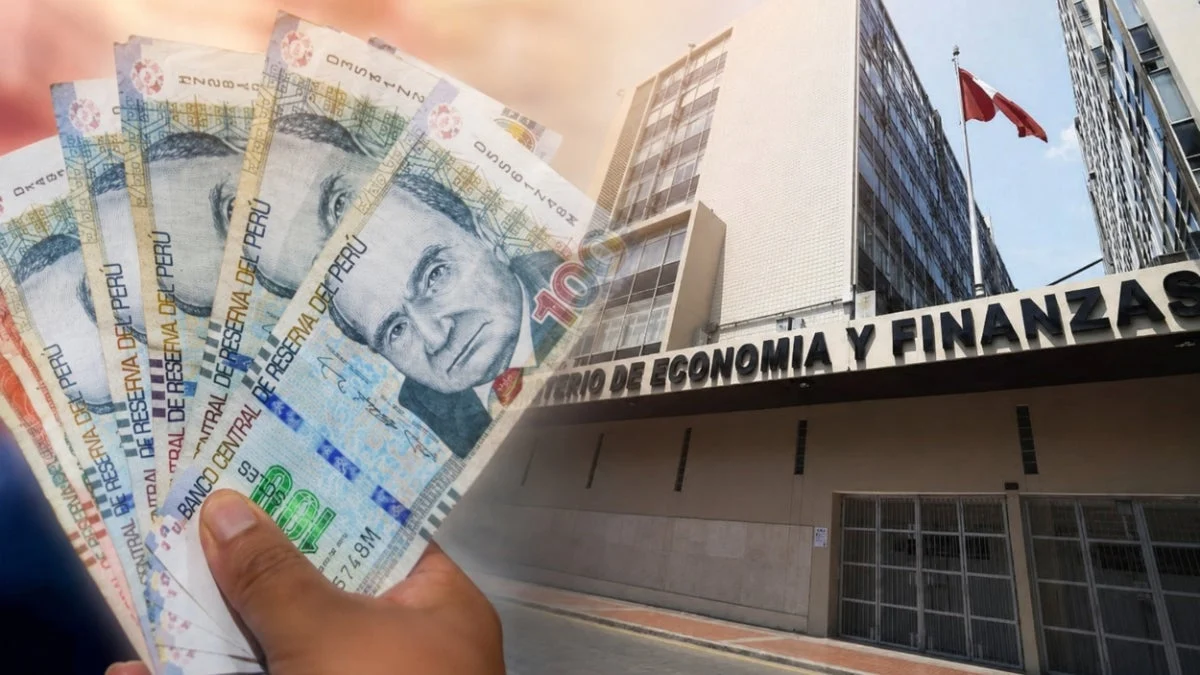
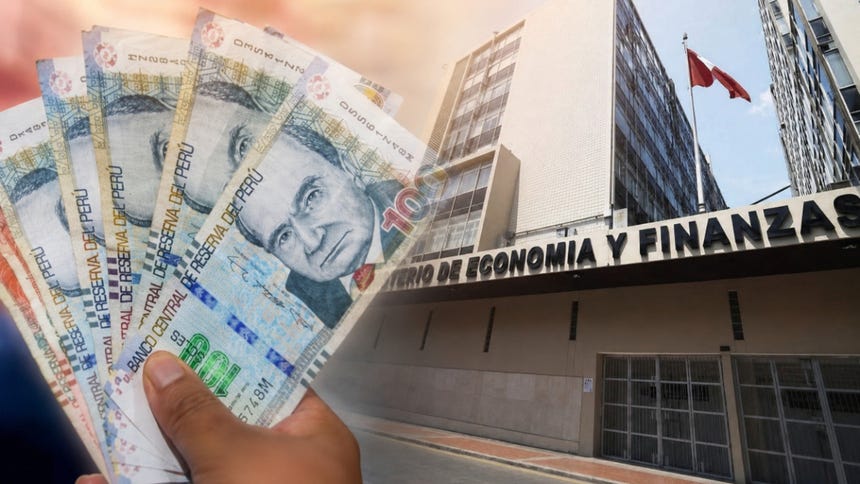
The Peruvian public sector is currently at a critical juncture. As the administration prepares for a transition of power, approximately 350,000 employees under the CAS (Contrato Administrativo de Servicios) regime find themselves in the middle of a bureaucratic race against time. The implementation of long-awaited gratifications and Compensation for Time of Service (CTS) benefits, recently authorized by Congress, hinges on a final executive decree that must be issued by the Ministry of Economy and Finance (MEF).
With the clock ticking toward the inauguration of the administration of Keiko Fujimori on July 28, the uncertainty regarding whether these benefits will be secured under the current government or deferred to the incoming one has created a climate of anxiety and expectation among state workers nationwide.
The Legislative Context: A Major Shift for CAS Workers
The current situation stems from the recent approval of the Supplemental Credit Law by the Permanent Commission of the Congress. This law is a landmark development for the CAS regime (Decreto Legislativo 1057), which has historically been criticized for lacking the comprehensive social benefits enjoyed by other public sector workers.
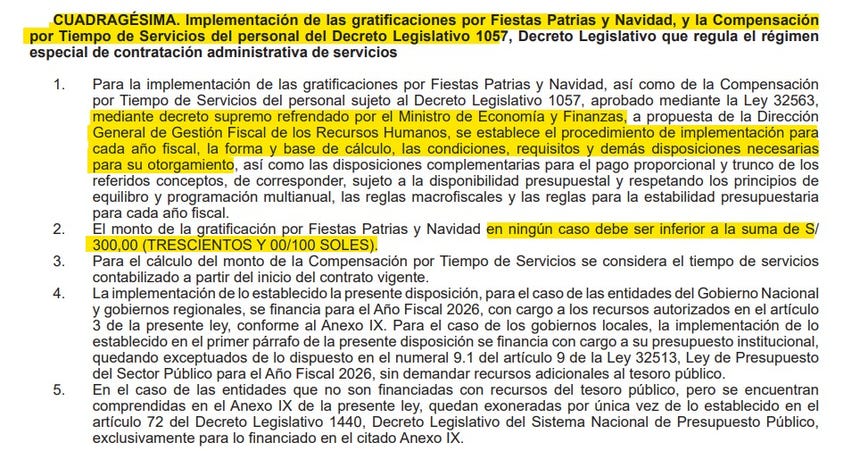
The law mandates the inclusion of gratuities for Fiestas Patrias and Christmas, as well as the establishment of a CTS fund—a severance indemnity designed to provide financial security upon the termination of employment. Crucially, the legislation sets a "floor" for these benefits, stating that the gratification amount cannot be less than S/300. However, while the law provides the legal framework, it delegates the "how" to the Ministry of Economy and Finance. The MEF is tasked with defining the technical procedures, the specific calculation methods, and the strict conditions for eligibility through a Supreme Decree.
Chronology of Events: From Legislative Halls to Ministerial Offices
The path to this moment has been marked by a flurry of activity in the last two weeks:
- Mid-July: Following intense debate, the Permanent Commission of Congress approves the Supplemental Credit Law, allocating the necessary funds for these benefits.
- July 17: The General Directorate of Human Resource Fiscal Management at the MEF convenes a meeting with representatives from five major national trade union confederations. This meeting, intended to be purely informative, clarifies the government’s technical vision for the rollout.
- July 20: The government officializes the Supplemental Credit Law, setting the stage for implementation, yet leaving the specific procedural decree in limbo.
- July 21 (Monday): The Executive holds an extraordinary session of the Council of Ministers, primarily focused on emergency relief for earthquake-affected regions in Junín. The CAS benefits decree, despite high expectations, is omitted from the agenda.
- Present: As of this writing, the country awaits the final Council of Ministers session before the July 28 leadership transition.
The MEF’s Proposal: A Gradual Implementation Strategy
Perhaps the most contentious aspect of the MEF’s current proposal, as communicated to labor representatives, is the timeline for implementation. Rather than an immediate full rollout, the Ministry is proposing a five-year, gradual phase-in approach.
According to Edward Flores, president of the Confederation of State Workers of Peru (Confetep), the proposal presented by the MEF during the July 17 meeting follows this trajectory:
- 2026: 10% implementation.
- 2027: 20% implementation.
- 2028: 30% implementation.
- 2029: 50% implementation.
- 2030: 100% full implementation.
This gradualist approach aligns with the Ministry’s initial internal drafts, which existed even before the legislative debate in the Permanent Commission reached its zenith. For many labor leaders, this is a bitter pill to swallow. Flores noted that the meeting was strictly "informative" and offered no real space for debate, leaving the unions to advocate for a more aggressive timeline—such as 30% or 50% starting this year—without any formal acknowledgment from the government officials present.
Official Responses and Union Perspectives
The tension between the government and labor unions is palpable. While the MEF argues that the fiscal impact and technical inconsistencies of the law necessitate a cautious, phased approach, labor leaders argue that the workers have waited far too long for equity.
"We were called to an informative session. They told us clearly: there was no room for debate. The State already had the Supreme Decree drafted and ready to be issued," Flores stated.
The unions are now pinning their hopes on an extraordinary edition of the official gazette, El Peruano. The frustration stems from the feeling that, despite the legislative victory, the executive branch remains the final gatekeeper, capable of slowing down the benefits through administrative delays. The MEF, for its part, has previously issued reports highlighting that the law contains "inconsistencies" that could make immediate, full-scale implementation technically difficult, citing concerns over budget sustainability and the complexity of calculating benefits for 350,000 diverse contractual situations.
Implications of the Political Transition
The most significant risk at this juncture is the impending change of administration. If the current Council of Ministers does not approve the Supreme Decree in its final session—scheduled for this week—the responsibility to move forward will fall squarely on the incoming administration of Keiko Fujimori.
Scenario A: Immediate Approval
If the decree is passed in the final days of the outgoing government, the payment of the current July gratification would likely be executed through a complementary payroll. This would provide immediate relief to thousands of families and serve as a tangible legacy of the current outgoing administration.
Scenario B: The "Deferred" Decision
If the decree is not included in the final cabinet agenda, the incoming government will inherit the file. This creates several possibilities:
- Continuity: The new administration could adopt the MEF’s current proposal as a starting point.
- Revision: The incoming team could choose to overhaul the proposal, potentially delaying benefits further in the name of a "fresh audit" of the fiscal impact.
- Political Bargaining: The implementation of these benefits could become a bargaining chip in the new government’s early relations with the legislative branch and labor unions.
Supporting Data: Why the Delay Matters
The CAS regime is the most prevalent form of employment in the Peruvian public sector. With 350,000 individuals affected, the fiscal implications are substantial. The Supplemental Credit Law authorized billions of soles (S/ 9.596 billion in total credit) to cover various state needs, including these benefits.
However, the "technical difficulty" mentioned by the MEF is not purely rhetorical. The diversity of CAS contracts—ranging from administrative support to highly specialized technical roles—means that a "one-size-fits-all" calculation method for CTS and gratuities is difficult to design. The CTS, in particular, requires a retrospective look at the history of each contract, which in many cases involves years of continuous service under the same entity.
Conclusion: A Test of Institutional Resolve
The situation regarding the CAS worker benefits is a litmus test for the resilience of Peru’s administrative and political processes. While the legislative branch has spoken in favor of the workers, the executive branch remains the vital engine required to put these words into motion.
For the 350,000 workers, the next few days are critical. Whether the government chooses to finalize the decree before the transfer of power or leaves it to the next administration, the fundamental issue of labor equity in the public sector remains a priority. As the country approaches July 28, all eyes remain on the Ministry of Economy and Finance, waiting to see if the promised gratifications and CTS will be a reality for the coming holiday season or a continued promise deferred.
The unions remain vigilant, hopeful that the "extraordinary" nature of this political moment will lead to an "extraordinary" outcome for the workforce that keeps the gears of the Peruvian state turning.