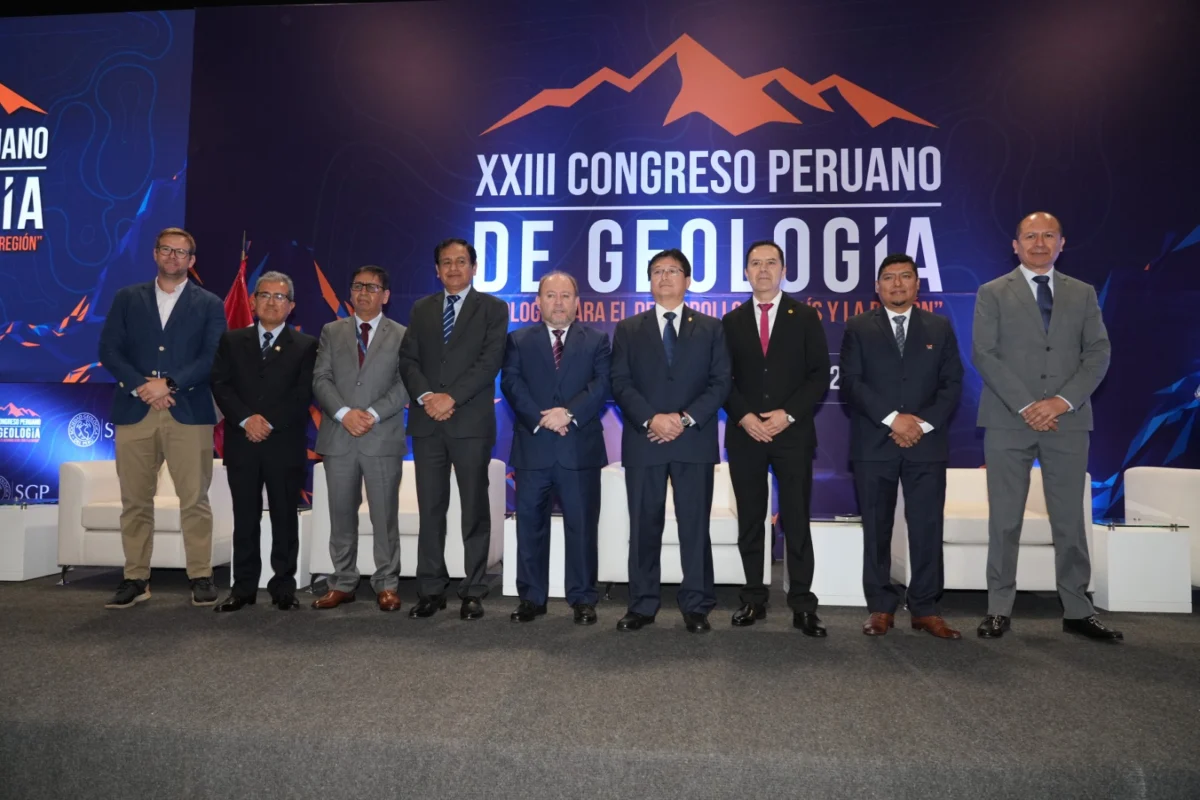
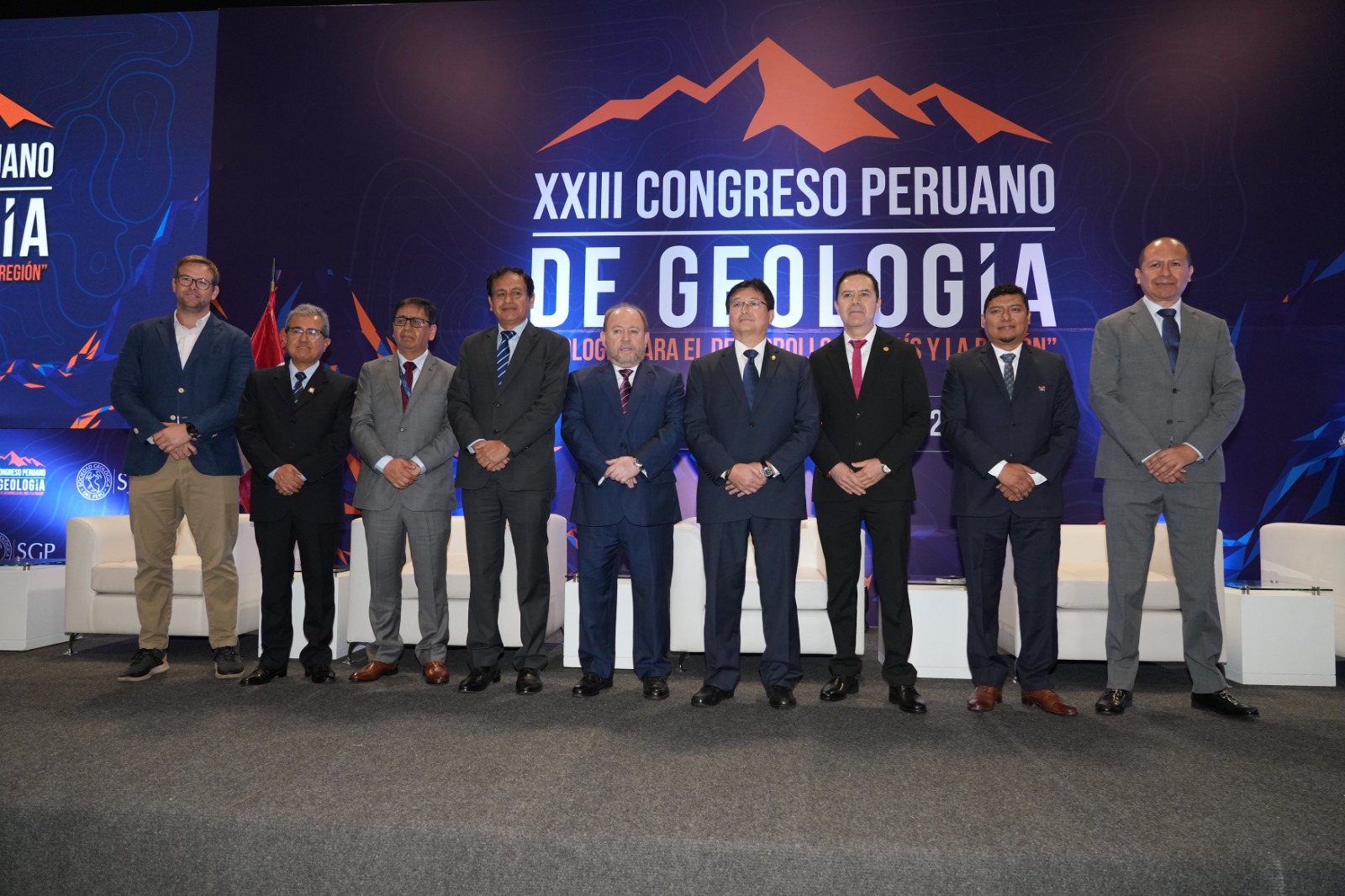
Lima, Peru – September 2026 – The Peruvian mining sector is standing at a pivotal crossroads, shifting from traditional extraction models toward a future defined by high-tech exploration and sustainable development. This strategic pivot was the central theme at the opening of the XXIII Peruvian Congress of Geology, held at the prestigious Lima Convention Center. The event has served as a global stage for unveiling an ambitious roadmap to secure Peru’s position as a dominant force in the global mineral supply chain.
With a current portfolio of 57 exploration projects representing a combined investment of US$ 672 million, the Ministry of Energy and Mines (MINEM) has signaled that the nation’s geological potential is far from exhausted. As the industry gathers to discuss the future of the Andes’ rich mineral wealth, the focus has shifted toward how scientific innovation can unlock resources while fostering national stability.
The Strategic Expansion of Exploration
Minister of Energy and Mines, Guillermo Shinno Huamaní, set an optimistic tone during his keynote address, emphasizing that the current figures are merely the tip of the iceberg. The Minister announced that the government is already scouting an additional 21 potential exploration projects for the coming year, which are expected to inject another US$ 258 million into the national economy.
Key Investment Highlights:
- Current Active Portfolio: 57 projects valued at US$ 672 million.
- Future Pipeline: 21 additional projects under identification, valued at US$ 258 million.
- Territorial Opportunity: Currently, only 1.5% of Peruvian territory is under active mining operations, with a staggering 0.2% dedicated to exploration. This vast "white space" on the map represents an unparalleled opportunity for junior miners and major exploration firms alike.
Minister Shinno highlighted that the integration of advanced geosciences is the key to unlocking these untapped regions. By utilizing satellite mapping, deep-drilling technology, and AI-driven geological modeling, the ministry aims to de-risk investments and encourage a new wave of exploration activity across the highlands and coastal deserts.
A Decade of Unprecedented Growth: Chronology of Success
The mining sector in Peru has seen a meteoric rise over the last ten years, culminating in a 2026 performance that is breaking historical records.
- 2016–2020: The foundation period, focused on optimizing existing copper assets and establishing clear regulatory frameworks for environmental compliance.
- 2021–2024: Resilience and expansion. Despite global supply chain challenges, Peru maintained its status as a top-tier copper producer, attracting significant foreign direct investment (FDI).
- 2025: The shift toward "Critical Minerals." Increased global demand for energy transition materials began to reshape the exploration landscape.
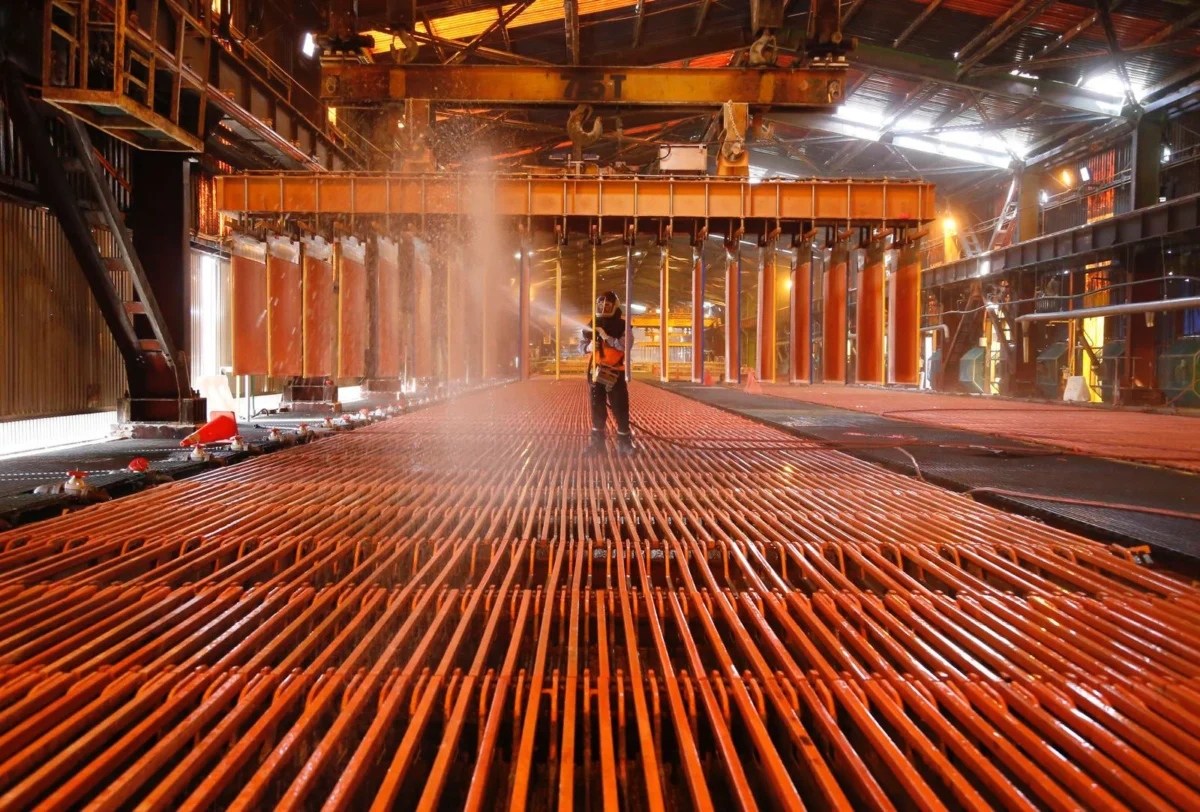
- 2026 (Year-to-Date): A record-shattering year. With copper production reaching 1.6 million metric tons of fine content by mid-year, the sector has become the primary engine of the national economy.
The fiscal data released during the Congress confirms this upward trajectory. Between January and July 2026, executed mining investment reached US$ 4,117 million—a massive 45% increase compared to the same period in 2025. Projections indicate that the total investment for the full year will exceed US$ 7,000 million, the highest figure recorded in the last decade.
Supporting Data: Economic Impact and Labor
The economic footprint of the Peruvian mining sector extends far beyond the mine gates. According to the data presented by Minister Shinno, the sector remains the backbone of the country’s international trade balance:
- Export Dominance: Mining exports have crossed the US$ 50,000 million threshold, accounting for 75% of all national exports.
- Regional Wealth Redistribution: Through the canon minero, royalties, and associated taxes, the industry transferred over S/ 13,000 million to regional governments in 2026 alone. This funding is critical for infrastructure, health, and education projects in the areas where extraction occurs.
- Job Creation: The industry currently supports 285,000 direct jobs. When accounting for the downstream effects—logistics, equipment supply, professional services, and construction—this number multiplies, positioning mining as the country’s largest formal employer.
Official Responses: Science Meets Responsibility
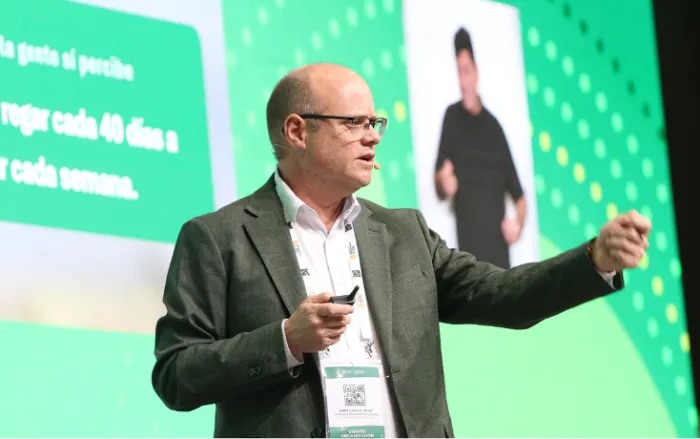
The President of the Geological Society of Peru (SGP), Carlos Bianchi, provided a balanced perspective during the event. While celebrating the economic figures, he reminded attendees that geology in the 21st century is a social imperative as much as an industrial one.
"Our geological potential is a competitive advantage, but it carries a weight of responsibility," Bianchi stated. "We are operating in an era defined by climate change, seismic risk, energy security concerns, and rapid urban growth. Consequently, our geological approach must be increasingly innovative, integrated, and aligned with the actual needs of the Peruvian people."
César Farfán, President of the XXIII Congress, echoed these sentiments, noting that the event’s theme—"Geology for the Development of the Country and the Region"—is a call to action. He emphasized that the Congress is designed to act as a bridge between four critical pillars: Science, Industry, Academia, and the State.
The Multi-Disciplinary Agenda
The three-day congress program features a rigorous schedule of international conferences addressing:
- Water Resource Management: Using geological insights to manage water scarcity in arid mining regions.
- Climate Resilience: Analyzing the impacts of the El Niño phenomenon through geological forecasting.
- The Energy Transition: Exploring the role of Peruvian lithium, copper, and rare-earth minerals in the global shift to electric vehicles and renewable energy storage.
- Disaster Prevention: Integrating geological mapping into urban planning to mitigate the impact of landslides and seismic events.
Implications for the Future: "Looking Further"
The long-term implication of the XXIII Congress is clear: Peru is moving away from being a passive exporter of ore and toward becoming a knowledge-based mining hub. By investing in the "intellectual capital" of geology, the government hopes to create a sustainable model that survives commodity price fluctuations.
Minister Shinno concluded his address by inviting both domestic and international stakeholders to look beyond the immediate yield. "The future of Peru is decided in the field, in the laboratories, and in our ability to understand our territory," he said.
As the congress progresses, the consensus among the scientific community is that the next decade of Peruvian mining will be defined by technology and transparency. Whether it is through the deployment of autonomous drilling rigs or the use of blockchain to track mineral supply chains from pit to port, the message is that Peruvian geology is entering a new, more sophisticated era.
Call to Action
The Sociedad Geológica del Perú continues to lead these efforts. Industry professionals, researchers, and students interested in participating in upcoming initiatives, workshops, and data-sharing forums are encouraged to visit the official platform at congresosgp.org.pe.
As the curtain closes on the initial sessions of the XXIII Congress, the message to the international community is unmistakable: Peru’s subsoil remains one of the most promising frontiers on the planet, and the nation is ready to develop that wealth with scientific rigor and a renewed commitment to national development.
Reporting by ProActivo News Team.
© 2026. All rights reserved.