In a strategic move to transform the theoretical framework of the Territorial Conditioning Plan (PAT 2025-2045) into a living, breathing reality for the citizens of Arequipa, the Municipal Institute of Planning of Arequipa (IMPLA) has launched an ambitious educational initiative. By securing a critical partnership with the Sociedad Minera Cerro Verde S.A.A., the institute is set to roll out a comprehensive outreach program designed to embed the principles of sustainable urban development into the hearts and minds of the city’s youth.
The initiative, formalized through Official Document No. 481-2026-IMPLA/GG, marks a significant pivot from bureaucratic planning to grassroots civic engagement. The goal is clear: to ensure that the PAT 2025-2045—a document intended to guide the province’s growth for the next two decades—is not merely an archival record, but a social contract understood and supported by the people it serves.
The Genesis of the Initiative: Bridging the Gap Between Policy and People
Urban planning is often criticized for being an opaque, technical endeavor that remains inaccessible to the general public. Recognizing this, the leadership at IMPLA identified a widening gap between municipal technical standards and the public’s awareness of how their city functions.
The PAT 2025-2045 serves as the blueprint for Arequipa’s future. It addresses vital concerns such as the mitigation of geological risks, the preservation of the city’s iconic campiña (agricultural landscape), and the creation of infrastructure that supports a rapidly growing population. However, without public "internalization"—the process by which citizens understand and embrace the plan—these goals face the risk of being undermined by informal settlements and uncoordinated growth.
To address this, IMPLA turned to one of the region’s most significant stakeholders: Sociedad Minera Cerro Verde S.A.A. The request was for a donation of educational, interactive, and dissemination materials to serve as the bridge between technical urban planning and the classroom.
Chronology: From Bureaucratic Approval to Educational Implementation
The trajectory of this project reflects a swift response to the urgent needs of the city’s development:
- Early 2025: The official approval of the Territorial Conditioning Plan (PAT 2025-2045), establishing the legal and technical foundation for the next twenty years of urban development in Arequipa.
- Mid-2026: Recognizing the need for public dissemination, the General Management of IMPLA initiates the administrative process to seek private sector support, culminating in the submission of Official Document No. 481-2026-IMPLA/GG.
- Late 2026: Sociedad Minera Cerro Verde S.A.A. responds affirmatively, formalizing the donation of thousands of educational kits and technical resources.
- Q4 2026 and Beyond: The launch of the "Urban Awareness Tour," a series of participatory workshops held in schools and universities across the province of Arequipa, signaling the active phase of public education.
The Toolkit of Engagement: Tools for a New Generation
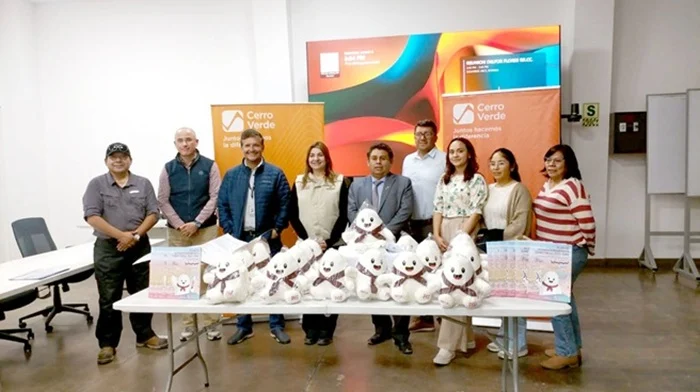
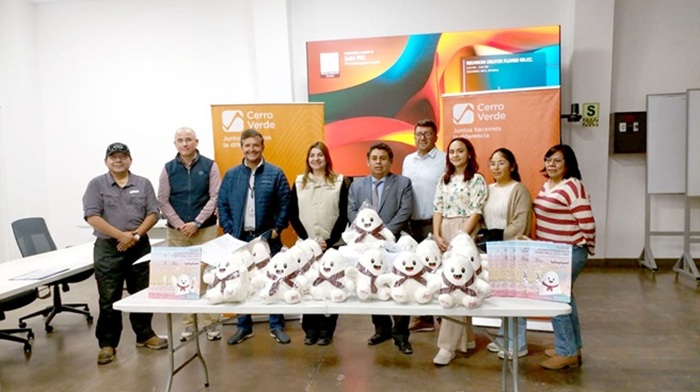
To make abstract concepts like "territorial conditioning" tangible, IMPLA and Cerro Verde have curated a suite of resources that cater to different learning styles and age groups:
- Technical Specialized Magazines: These publications simplify the core pillars of the PAT, providing clear, visual explanations of the long-term vision for the city.
- Interactive PAT Workbooks: Designed for students, these workbooks challenge participants to solve real-world problems related to traffic, zoning, and environmental conservation.
- Educational Kits: A comprehensive set of materials meant to facilitate learning within the classroom environment.
- "Sillarcito": Perhaps the most innovative element is the introduction of the official mascot, "Sillarcito." By personifying the Sillar (the volcanic stone that defines Arequipa’s architectural identity), the campaign creates an emotional anchor that helps younger children relate to the history and preservation of their urban environment.
Implications: Why This Matters for Arequipa’s Sustainability
The implications of this initiative are far-reaching. By educating the youth today, IMPLA is effectively grooming the urban planners, architects, and informed citizens of tomorrow.
1. Risk Reduction and Disaster Management
A central tenet of the PAT 2025-2045 is the mitigation of risks. Arequipa, situated in a seismically active zone, faces challenges from natural disasters. Educating students on why certain areas are zoned as "non-habitable" or "high risk" is a crucial step in preventing future tragedies caused by informal building in dangerous zones.
2. The Preservation of the Campiña
The agricultural landscape surrounding Arequipa is under constant pressure from urban sprawl. Through these educational workshops, the city hopes to instill a sense of pride and urgency regarding the protection of the campiña, framing it not just as empty land, but as an essential part of the city’s identity and food security.
3. Democratization of Information
By bringing these materials into schools and universities, IMPLA is essentially "democratizing" urban planning. When citizens are empowered with information, they become active participants in the development of their neighborhoods, leading to a more collaborative governance model.
Supporting Data and the Role of Private-Public Partnerships
The donation from Sociedad Minera Cerro Verde S.A.A. is not merely a philanthropic gesture; it is a strategic investment in regional stability. In the context of corporate social responsibility (CSR), such initiatives demonstrate that mining companies are increasingly viewing their role as partners in the long-term, sustainable development of their host regions.
The speed at which the donation was processed underscores a high level of synergy between the public institute and the private company. It suggests that both entities recognize a shared interest: a well-planned, orderly, and resilient Arequipa is essential for the economic and social prosperity of all residents.
Official Responses and Stakeholder Perspectives
Representatives from the IMPLA management team have expressed their gratitude for the rapid backing provided by Cerro Verde. In their official statement, the institute emphasized that the donation acts as a "tool of immense utility."
"Our mission is to close the gap between government planning and the reality on the streets," an IMPLA spokesperson stated. "By providing these resources to the youth, we are ensuring that the vision for 2045 is not held by a few, but understood by many. We thank Cerro Verde for their swift commitment to our city’s future."
This partnership has also been viewed as a model for other municipalities in Peru. As urban centers across the country struggle with rapid, often chaotic growth, the Arequipa model—combining rigorous planning with broad-based social communication—offers a viable roadmap for success.
Conclusion: Looking Toward 2045
The path to 2045 is long, but the groundwork being laid today is foundational. Through the combined efforts of IMPLA’s technical expertise and Cerro Verde’s logistical and material support, the province of Arequipa is transforming how it talks about its future.
As "Sillarcito" makes its way into classrooms across the city, the message to the youth is clear: Arequipa’s urban future is not something that happens to them, but something they are active participants in building. Whether it is through protecting the green spaces of the campiña or understanding the complex zoning laws that keep the population safe from natural hazards, the next generation is being equipped with the knowledge to safeguard their home.
The success of this initiative will ultimately be measured in the coming years by the level of civic participation in municipal projects and the adherence to the guidelines set forth in the PAT 2025-2045. For now, the partnership serves as a shining example of what can be achieved when government vision meets private responsibility in the service of the public good.