As the Peruvian mining sector looks toward the horizon of 2027, the stage is set for a landmark gathering that aims to redefine the relationship between natural resource extraction and national development. PERUMIN 38, organized by the Peruvian Institute of Mining Engineers (IIMP), is not merely positioning itself as a technical mining convention but as a pivotal catalyst for the structural transformation of the Peruvian economy.
Under the overarching theme, "Integration and Formalization for Regional Development," the event seeks to move beyond industry-specific discourse to address the systemic challenges that have long hindered Peru’s path to becoming a fully formalized, high-growth economy.
Main Facts: A Blueprint for National Progress
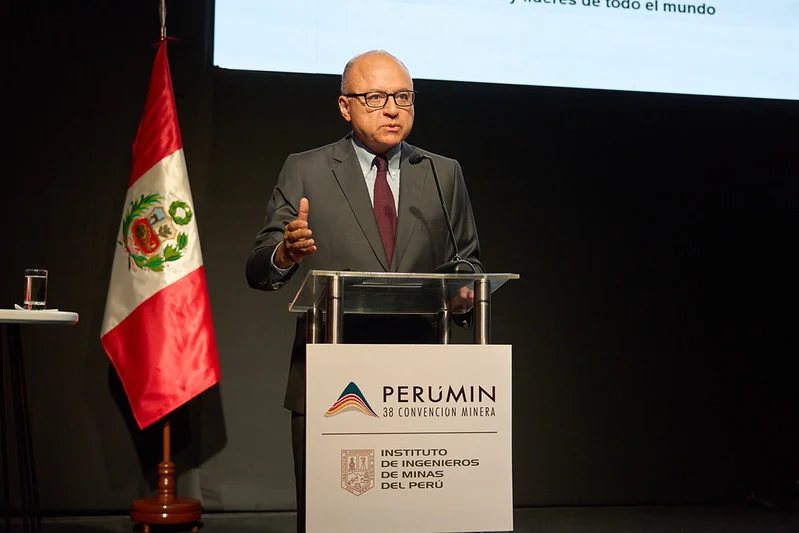
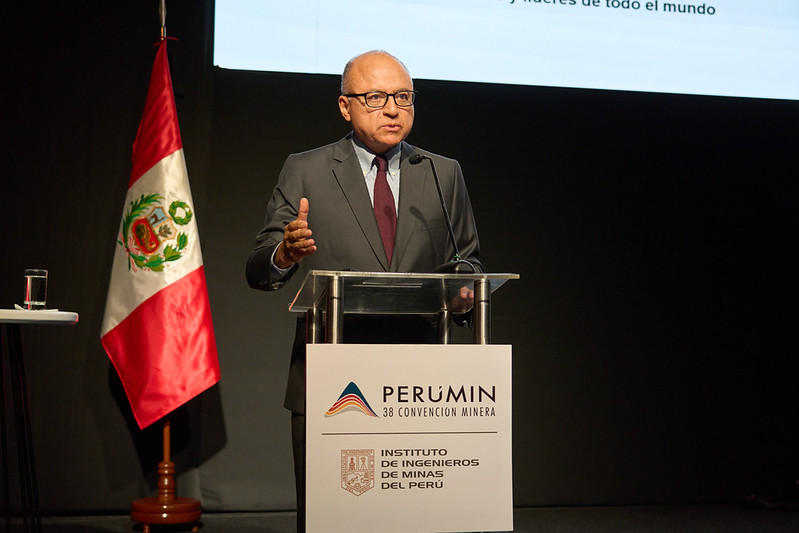
Scheduled to take place from September 20 to 24, 2027, at the Cerro Juli fairgrounds in Arequipa, PERUMIN 38 represents a significant evolution in the convention’s history. Víctor Gobitz, the president of the convention, has set an ambitious mandate: the gathering must produce actionable policy proposals that transcend the mining sector to provide a roadmap for the country’s broader socio-economic development.
The central pillar of this edition is the formalization of the Peruvian economy. With a significant portion of the workforce operating outside the legal and regulatory framework, the event aims to bridge the gap between informal labor and the formal banking, social security, and tax systems. By integrating the perspectives of mining leaders, state actors, social organizations, and even religious institutions, the IIMP hopes to construct a multi-dimensional strategy that addresses the "human cost" of informality.
Chronology: The Evolution of PERUMIN 38
The journey toward PERUMIN 38 is marked by a deliberate shift in the strategic focus of the IIMP.
- Mid-2026: Initial planning phases began with a focus on selecting a theme that resonated with the post-pandemic economic realities of Peru. The decision to prioritize "Formalization" was reached after extensive consultations with regional leaders.
- Late 2026: The IIMP announced the United States as the guest country, signaling a move to strengthen bilateral ties in technology, environmental sustainability, and mining investment.
- Early 2027: The call for papers and technical contributions was opened, with a specific focus on "Innovative Formalization Strategies."
- September 20–24, 2027: The event dates for the convention in Arequipa.
- Post-Convention (Late 2027): The dissemination phase, where the IIMP plans to present the "PERUMIN 38 Action Plan" to the legislative and executive branches of the Peruvian government.
Supporting Data: The Cost of Informality
The urgency of the theme chosen by Víctor Gobitz is underscored by sobering national statistics. According to recent reports from the National Institute of Statistics and Informatics (INEI), informal employment in Peru consistently hovers above the 70% mark. This structural reality creates a "poverty trap" where:
- Credit Exclusion: Millions of micro-entrepreneurs and informal workers lack the credit history necessary to access traditional banking services, limiting their ability to scale businesses or improve living conditions.
- Tax Base Fragmentation: The high level of informality limits the government’s capacity to invest in critical infrastructure—schools, hospitals, and transportation—which are essential for regional development.
- Labor Precarity: Informal workers operate without the protection of labor laws, safety standards, or pension systems, leaving them vulnerable to economic shocks.
PERUMIN 38 aims to demonstrate that mining—as the engine of the Peruvian economy—can act as an anchor for formalization by integrating small-scale suppliers and service providers into the formal supply chain through tax incentives and simplified registration processes.
Official Responses: Víctor Gobitz on the Human Dimension
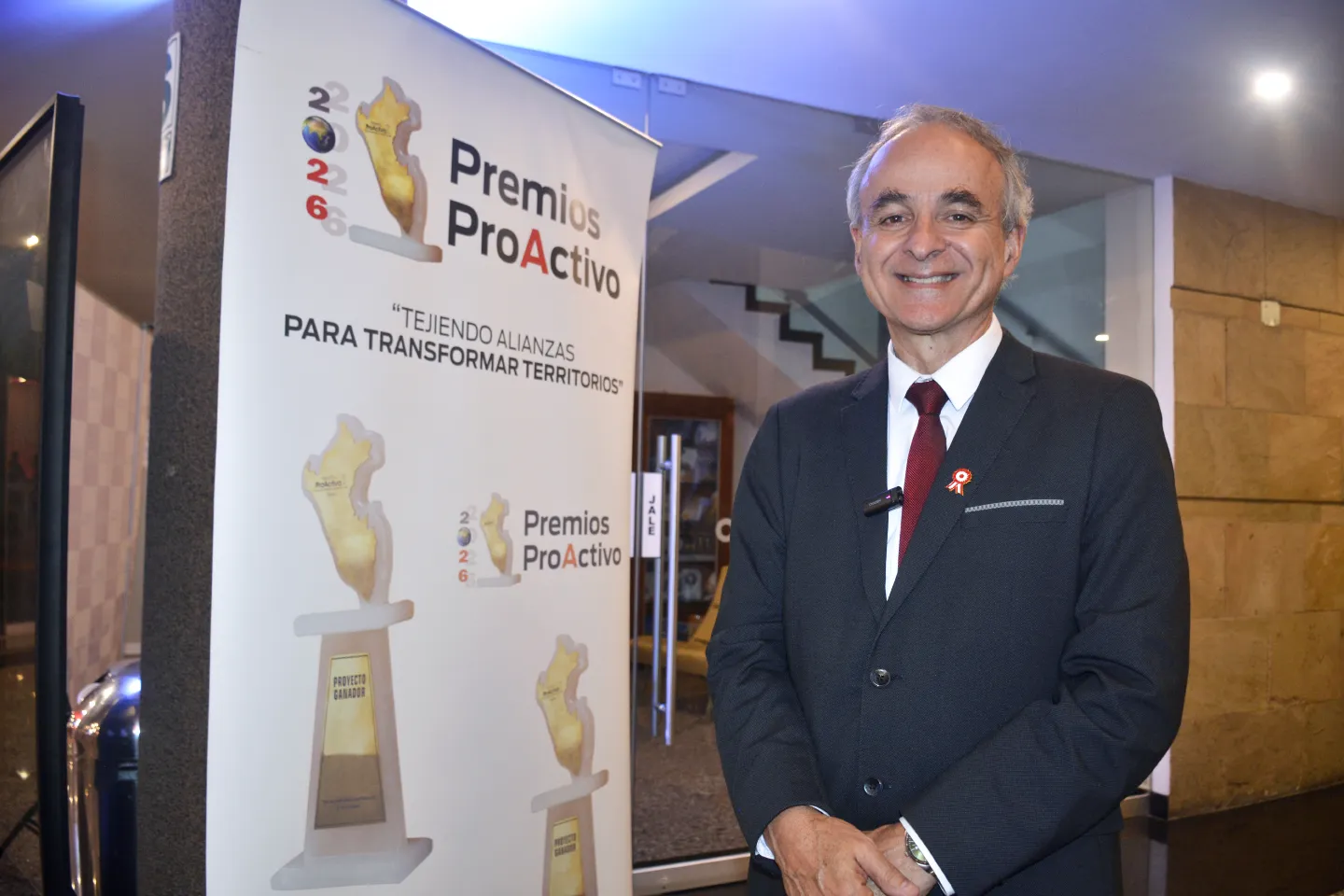
In a recent interview with El Comercio, Víctor Gobitz emphasized that the success of PERUMIN 38 will be measured not by the number of participants, but by the tangible impact on national policy.
"Our aspiration is that the conclusions of PERUMIN 38 become the country’s action plan," Gobitz stated. He articulated a vision where the convention serves as a neutral ground for diverse stakeholders—from mining giants to local civil society leaders—to debate the barriers to formalization.
One of the most innovative aspects of this year’s convention is the invitation extended to the Catholic Church. By incorporating a faith-based, human-centric perspective, the organizers hope to ground the technical discussions in social reality. As Gobitz noted, "We are going to invite the Church to offer their vision focused on the human being." This approach acknowledges that economic reform is futile if it does not address the lived experience of the communities it intends to serve.
Global Projections: The International Nexus
PERUMIN 38 is designed to project a global image of Peruvian mining. By highlighting the involvement of top-tier global operators and service providers, the IIMP is positioning Peru as a premier destination for sustainable, technologically advanced, and ethically sound mining.
The partnership with the United States is particularly significant. As a global leader in mining technology and environmental, social, and governance (ESG) standards, the U.S. delegation will provide critical input on how Peru can modernize its regulatory framework to attract foreign direct investment (FDI) while ensuring local environmental protection.
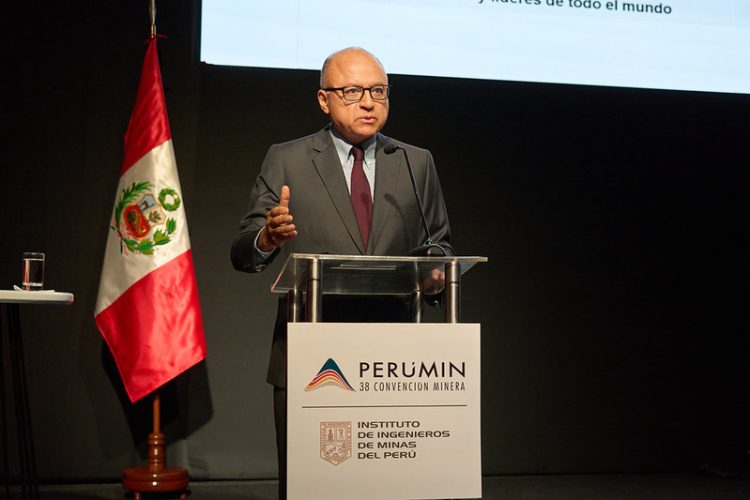
"We hope to make the global magnitude of mining in Peru visible," Gobitz asserted. This visibility is essential for rebranding the sector in the eyes of international investors who are increasingly cautious about ESG risks. By fostering a transparent, formal, and integrated industry, Peru hopes to secure its place as a cornerstone of the global energy transition, providing the copper and critical minerals necessary for the world’s decarbonization efforts.
Implications: A New Era for Regional Development
The implications of the discussions at PERUMIN 38 are far-reaching. If the convention succeeds in building a consensus on formalization, the secondary effects on regional development could be profound:
- Decentralization of Wealth: By formalizing local service providers, mining investment can stay within the regions where the extraction occurs, rather than being siphoned off by centralized, informal intermediaries.
- Social License to Operate: A formalized, transparent, and collaborative sector is inherently more capable of building trust with local communities. This, in turn, mitigates social conflict—a persistent challenge for large-scale mining projects in Peru.
- Institutional Strengthening: By engaging the government in the convention’s action plan, the IIMP is pushing for a more robust state presence in mining-adjacent regions, focusing on the delivery of public services rather than mere regulatory enforcement.
Conclusion
As the countdown to September 2027 continues, the mining sector in Peru stands at a crossroads. The transition from a resource-dependent economy to one that leverages its natural wealth to foster broad-based, formal prosperity is the central challenge of the next decade.
PERUMIN 38 is poised to be more than a convention; it is an attempt to rewrite the social contract of the Peruvian mining industry. By shifting the focus toward integration and formalization, Víctor Gobitz and the IIMP are inviting the entire nation to participate in a dialogue that seeks to turn the "hidden" economy into the foundation of a modern, prosperous, and globally integrated Peru. Whether these proposals will translate into the legislative reforms required to shift the needle remains to be seen, but the intent—and the urgency—has never been clearer.