By International News Desk
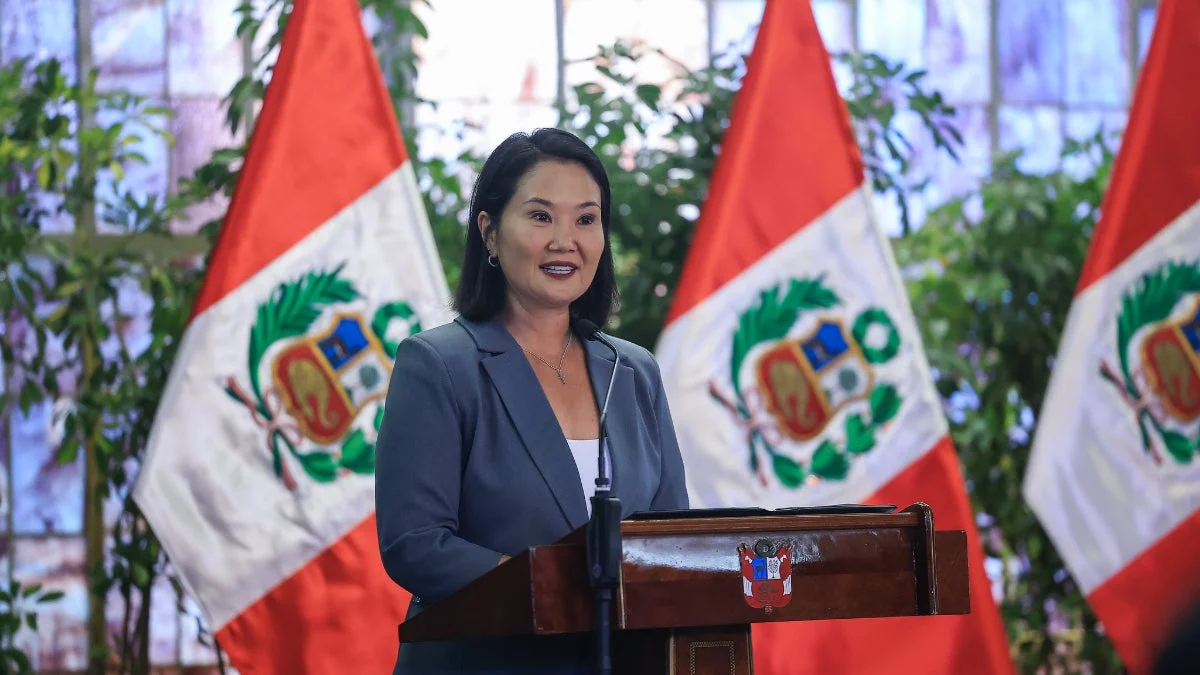
In a decisive move to curb the escalating tide of criminal activity across the nation, the government has formally established a High-Level Multisectoral Commission dedicated to the restoration of public order and security. The announcement was made by President Keiko Fujimori during a solemn ceremony at the Honor Courtyard of the Lima Center Emergency Division, where she presided over the exceptional promotion of four National Police (PNP) sub-officers for their bravery in the line of duty.
This initiative marks a shift in the administration’s approach to public safety, emphasizing an intelligence-led strategy and a unified, cross-ministerial effort to dismantle criminal networks.
The Strategic Shift: A Multidisciplinary Approach
The newly created commission is designed to serve as the central nervous system for the government’s security operations. According to the executive decree published in the official gazette El Peruano, the commission will operate under the direct oversight of the highest levels of the Executive Branch.
President Fujimori emphasized that the complexity of modern crime—ranging from organized racketeering to systemic violence—requires more than traditional policing; it demands the synergy of multiple state portfolios. "We have established a high-level commission for citizen security, a decision reached within the Council of Ministers to ensure permanent coordination," Fujimori stated. "This group will be chaired by Prime Minister Luis Galarreta and will involve the direct participation of five key ministers, ensuring that the response to criminality is agile, integrated, and intelligence-driven."
The core mission of this body is to break down the bureaucratic silos that have historically hindered information sharing between state agencies. By streamlining communication, the government aims to reduce the response time of security forces and improve the efficacy of preventative measures.
Chronology of the Initiative
The development of this policy follows a period of mounting public pressure regarding safety concerns in urban centers. Below is the timeline leading to the commission’s establishment:
- Early September 2026: Internal security assessments indicated a spike in organized criminal activity, prompting the Council of Ministers to draft a new security framework.
- October 12, 2026: Final discussions regarding the composition and authority of the multisectoral commission were concluded during an extraordinary cabinet session.
- October 14, 2026 (Early Hours): The Executive Branch issued a Supreme Decree formalizing the creation of the commission, defining its mandate and ministerial composition.
- October 14, 2026 (Mid-Day): During an event honoring police heroism, President Keiko Fujimori officially communicated the formation of the commission to the public and the security forces.
- October 15, 2026: The commission is expected to hold its inaugural session to establish the primary operational protocols and set short-term targets for crime reduction.
Composition and Functional Mandate
The structure of the commission reflects the administration’s intent to link law enforcement with foreign policy, judicial oversight, and national defense. The commission is composed of:
- The President of the Council of Ministers (Chair): Luis Galarreta.
- The Minister of the Interior: Responsible for domestic policing and operational strategy.
- The Minister of Defense: Responsible for border security and military support in high-risk zones.
- The Minister of Justice and Human Rights: Ensuring that all security actions adhere to constitutional protections and legal due process.
- The Minister of Foreign Affairs: Tasked with international cooperation, specifically regarding transnational crime, extradition, and border intelligence sharing.
Primary Functions
The decree explicitly outlines the responsibilities of the commission, which include:
- Formulating Strategic Proposals: Developing long-term policies that go beyond reactive measures to address the root causes of insecurity.
- Information Exchange: Establishing secure protocols for sharing data between public agencies and, where appropriate, private sector security stakeholders.
- Performance Monitoring: Tracking the success of specific interventions and reviewing agreements made between different state entities.
Supporting Data: Why Now?
The urgency of this commission is underscored by recent data reflecting the challenges faced by the National Police. During the promotion ceremony, President Fujimori took time to acknowledge the "extraordinary valor" of four sub-officers who put their lives on the line to neutralize criminal threats.
While the government did not release a full statistical report during the ceremony, independent analysts have pointed to a shift in the nature of crime. Intelligence reports suggest that criminal gangs have become more sophisticated, using encrypted communication and diversifying their illicit revenue streams. The government’s move to prioritize an "intelligence-based" approach suggests a recognition that the current tactical capabilities of the police must be augmented with high-level data analysis and cross-departmental surveillance.
Official Responses and Political Implications
The announcement has elicited a varied response from the political spectrum. Supporters of the administration view the move as a long-overdue assertion of authority and a necessary step to restore public confidence in the state’s ability to guarantee safety.
"The presence of the Prime Minister at the head of this commission sends a strong signal," says political analyst Dr. Elena Vargas. "It tells the public that security is not just a police problem; it is a cabinet-level priority. By involving the Ministry of Foreign Affairs, the government is also signaling an understanding that modern criminality is often transnational, requiring international cooperation."
However, opposition figures have urged the government to ensure that the commission does not become a purely bureaucratic entity. They argue that the success of the initiative will depend entirely on the allocation of resources and the transparency of the results. "A commission is only as effective as the actions it takes on the ground," a spokesperson for the opposition noted. "We will be watching to see if this leads to measurable improvements in the streets, or if it simply adds another layer of reporting."
Implications for Public Safety and Future Policy
The establishment of this commission marks the beginning of a high-stakes experiment in executive governance. If the commission succeeds in fostering better cooperation between the military, the police, and the judicial system, it could serve as a model for regional security governance.
Key Takeaways for the Public:
- Enhanced Policing: The government is signaling a commitment to backing the National Police with more resources and higher-level institutional support.
- Intelligence-Driven Tactics: Citizens can expect to see more emphasis on preemptive strikes against criminal organizations rather than just reactionary responses.
- Institutional Accountability: With the Prime Minister directly overseeing the commission, the executive branch is putting its own political capital on the line regarding the success or failure of these new security policies.
President Fujimori concluded her remarks by reinforcing the bond between the government and the police force. "To our officers, I express the recognition and full backing of our government. Your commitment, dedication, and great bravery are the foundations upon which we will build a safer nation," she affirmed.
As the country awaits the first concrete outputs from this high-level group, the message from the Palace is clear: the administration intends to reclaim the narrative on security and prioritize the protection of its citizens through a more coordinated and robust state response. The coming months will be critical in determining whether this commission translates into a tangible reduction in crime or remains a symbolic pillar of the administration’s broader security agenda.