By Political Correspondent
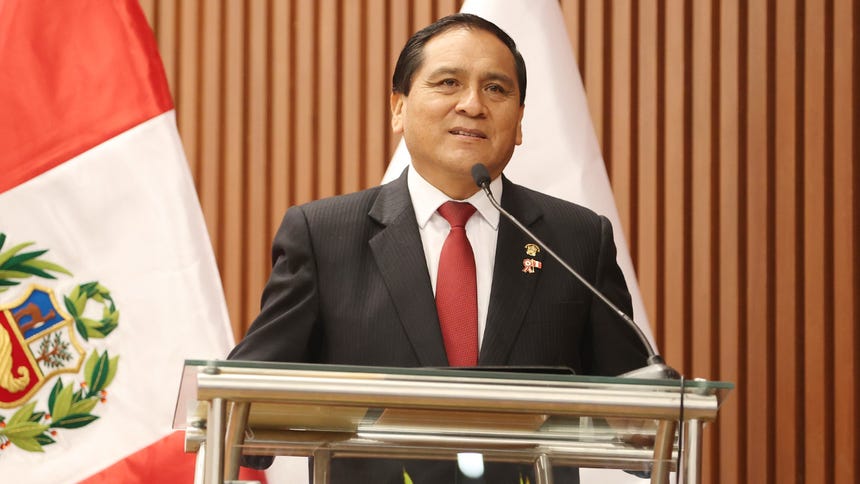
The political landscape in Peru remains deeply polarized as debates regarding the legal fate of former President Pedro Castillo continue to dominate the national discourse. This week, the newly appointed Minister of Labor, Flavio Cruz, took a firm stance to distance the current administration from rumors of a potential executive pardon for the incarcerated ex-leader, who is currently serving time for his role in the 2022 attempted coup d’état.
In a series of statements made to the press on Thursday, Minister Cruz sought to clarify the government’s internal position, categorically denying that the possibility of a pardon had been tabled during recent Council of Ministers meetings. His comments come at a time of heightened sensitivity, as legal maneuvers from Castillo’s defense team collide with vocal opposition from political analysts and constitutional experts.
Main Facts: The Government’s Stance
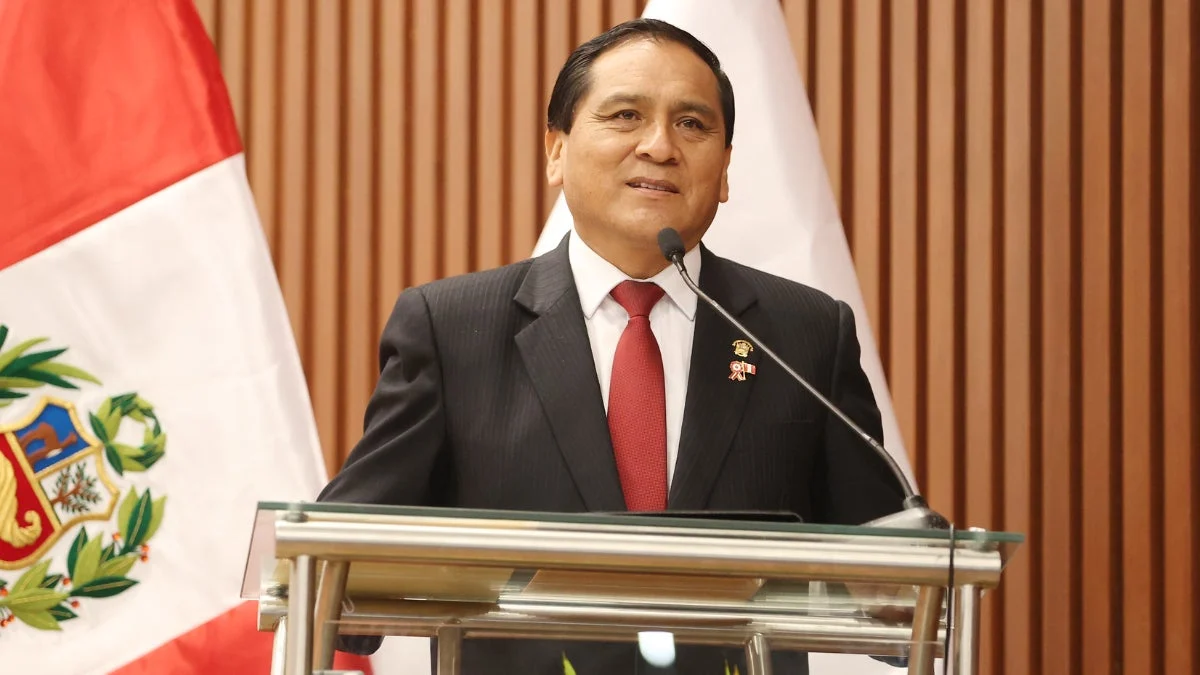
Minister Flavio Cruz, who assumed his portfolio only last week following the resignation of his predecessor, Freddy Solano, addressed the media with the intent of curbing growing speculation. According to Cruz, the administrative agenda of the Council of Ministers is strictly focused on economic and labor reforms, rather than the judicial status of the former president.
“Yesterday, we held a session of the Council of Ministers, and in no instance was this subject broached. It is not on our agenda, nor is it even a topic of informal discussion,” Cruz stated unequivocally. He expressed frustration at how such rumors seem to artificially permeate the national agenda, noting that, at least in formal terms, the executive branch has remained entirely removed from the ongoing legal petitions regarding Castillo.
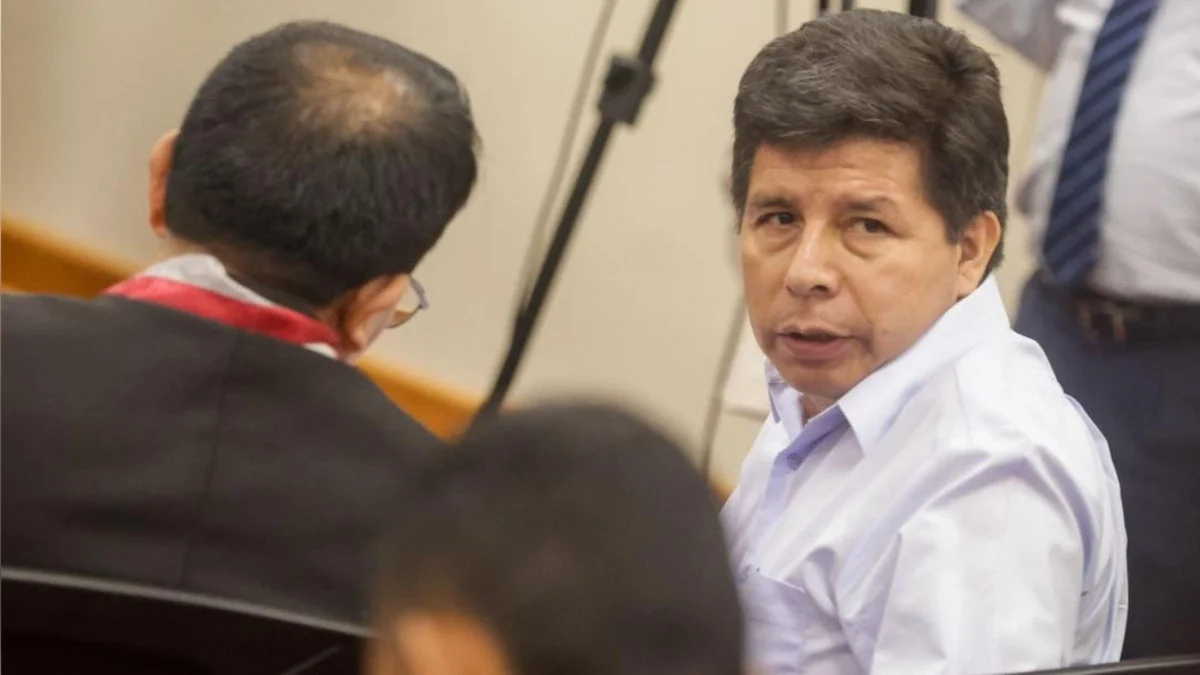
The former president remains detained at the Barbadillo prison facility, a site that has become the focal point of legal and political contention since his conviction in the first instance for his attempt to dissolve Congress and restructure the judiciary in December 2022.
Chronology of the Legal and Political Maneuvers
To understand the weight of Minister Cruz’s recent denials, one must look at the timeline of events that have led to the current state of uncertainty:
- December 2022: Pedro Castillo is removed from office following a failed attempt to seize emergency powers, leading to his immediate detention and subsequent incarceration at the Barbadillo facility.
- Early July 2026: Legal representatives for the former president file two formal requests for a "right of grace," a mechanism through which they seek the total annulment of the conviction and sentence imposed on Castillo.
- July 13, 2026: President José María Balcázar publicly acknowledges that the request for a pardon is in the "processing and evaluation" stage within the Ministry of Justice, stating that no final decision had been reached.
- July 16, 2026: Minister Flavio Cruz is sworn in as the new Minister of Labor, immediately facing questions regarding his political affiliations and his position on the potential pardon.
- July 17, 2026: Minister Cruz holds a press conference to officially distance the current Cabinet from the evaluation process mentioned by President Balcázar, effectively attempting to de-escalate the controversy.
The discrepancy between the President’s acknowledgment of the "processing" of the pardon and the Labor Minister’s denial that it is an "agenda item" has sparked significant questions regarding the cohesion of the current administration.
The Question of Political Appointments
Beyond the pardon controversy, Minister Cruz was forced to defend his own appointment. Critics and opposition members in Congress have suggested that his rapid ascent to the Cabinet might be linked to "favors" or a political quid-pro-quo arrangement. Cruz vehemently rejected these accusations, maintaining that his selection was based on professional qualifications and a commitment to the current administration’s goals.
Furthermore, he addressed the status of the Federación Nacional de Trabajadores de la Educación del Perú (Fenatep), a labor union historically linked to Castillo. There has been intense pressure from certain sectors to grant formal recognition to this organization, a move that would carry significant symbolic and political weight. Cruz clarified that, as of now, the recognition of Fenatep as a legal trade union is not a priority for his office, nor is it currently on the government’s active agenda.
"In Congress, there are many opinions, and I believe that as we approach the end of this legislative cycle, we must respect each other regardless of our political lines," Cruz noted, signaling a desire to avoid further conflict with legislative members who have been vocal in their opposition to the administration.
Supporting Data and Legal Implications
The legal path for a presidential pardon in Peru is fraught with constitutional hurdles. According to legal scholars, a pardon of this nature—granted to someone convicted of an attempted coup—would likely trigger a massive constitutional crisis.
Legal analyst Luis Quiroga, in recent public statements, cautioned that if the current executive branch were to move forward with a pardon, the individuals involved would face severe political, penal, and constitutional repercussions in the upcoming congressional term. The "right of grace" is not a tool intended to override the separation of powers, and its application in cases involving crimes against the constitutional order is widely considered a violation of the rule of law.
The Ministry of Justice, while confirming the existence of the paperwork, has maintained a neutral stance, noting that it is obligated to process all citizen petitions according to due process. However, this administrative duty is often misinterpreted by the public and political actors as an indication of support for the pardon, leading to the current cycle of rumors that Minister Cruz is attempting to dismantle.
Implications for the Future of the Administration
The political climate in Peru remains fragile. With the administration of President Balcázar navigating a period of transition, any perception of leniency toward the architects of the 2022 crisis risks eroding the government’s remaining credibility.
The Congressional Perspective
Opposition parties in the legislature are already preparing for a potential confrontation should the Ministry of Justice indicate any progress on the pardon request. Several congressional committees have announced that they will keep a close watch on the Ministry of Justice’s internal evaluations, promising "heavy oversight" of any administrative acts related to Castillo’s case.
Public Trust and Stability
The discourse surrounding the potential pardon has become a proxy war for larger issues: the legitimacy of the current administration, the independence of the judiciary, and the influence of radical political factions on government policy. By distancing himself and his ministry from the debate, Minister Cruz is likely attempting to preserve the administration’s focus on labor reform and economic stability, which have been overshadowed by these high-stakes political questions.
The Path Forward
As the legal evaluation of the pardon request continues in the background, the executive branch finds itself in a precarious position. The government must balance its legal duty to process formal petitions with the political reality that any move to favor the former president could result in a motion of censure or even impeachment proceedings against members of the cabinet.
For now, the official line remains one of distance and denial. However, as the legislative term winds down and the pressure from both the legal team of the former president and the opposition in Congress intensifies, the administration’s ability to remain "neutral" or "unaware" of the issue will be severely tested.
The case of Pedro Castillo continues to be a litmus test for the stability of Peru’s democratic institutions. Whether the government ultimately rejects the pardon outright or remains silent as the administrative process concludes, the outcome will undoubtedly shape the trajectory of the nation’s political landscape for years to come. For the time being, the words of Minister Cruz stand as a firewall, attempting to protect the day-to-day operations of the state from the turbulent winds of political scandal.