By Editorial Staff
In a strategic move to ensure connectivity remains a lifeline during natural disasters, the Supervisory Agency for Private Investment in Telecommunications (OSIPTEL) has enacted a series of extraordinary measures aimed at safeguarding the mobile services of citizens residing in areas impacted by the 2026-2027 El Niño phenomenon. As the climate pattern threatens to disrupt infrastructure and daily life, the regulator’s directive seeks to prevent the digital isolation of vulnerable populations.
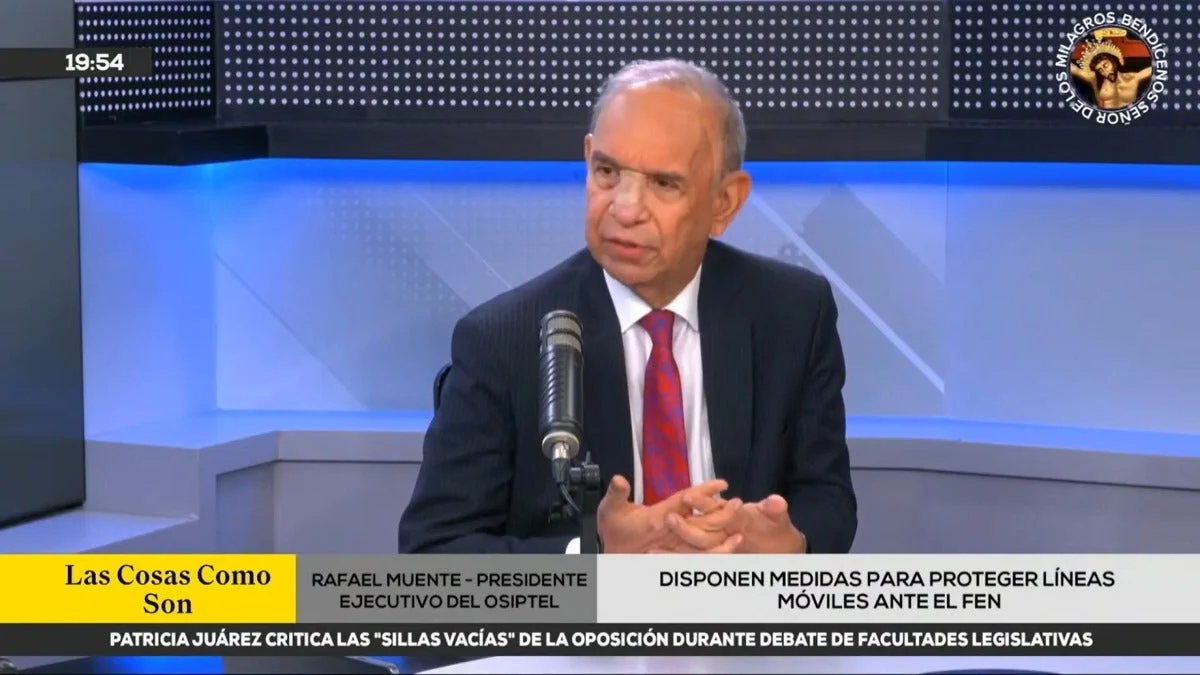
Rafael Muente, Executive President of OSIPTEL, emphasized that these temporary provisions are specifically calibrated to the geographic zones under official states of emergency. The initiative reflects a proactive regulatory approach to the intersection of climate resilience and telecommunications.
Main Facts: A Safety Net for Connectivity
The core of the regulatory intervention, formalized via Resolution No. 133-2026-CD/OSIPTEL, focuses on three pillars: the preservation of prepay balances, the prevention of service termination for postpaid users, and the facilitation of debt management.
Prepay Protections
For millions of users operating on prepay plans, the primary concern during an emergency is the expiration of credit or promotional data. OSIPTEL has mandated that:
- Balance Suspension: The expiration dates for all mobile credit and promotional bundles will be frozen for the duration of the emergency period.
- Service Continuity: Operators are strictly prohibited from deactivating lines due to a lack of recharges or inactivity.
- Technical Contingencies: In scenarios where technical limitations prevent the automatic extension of balances, operators are required to provide free SMS bundles to ensure users can communicate with family and emergency services.
Postpaid Transition and Debt Relief
The regulation recognizes that economic hardship often follows natural disasters. Consequently, OSIPTEL has prohibited the outright termination of postpaid contracts due to non-payment. Instead, operators must:
- Temporary Migration: If a user cannot pay their bill, operators are mandated to migrate the user to a prepay modality rather than cutting off service. This transition incurs no additional fees.
- Debt Retention: While the service is preserved, the regulation clarifies that existing debts remain; however, these will be managed under a deferred framework.
- Fractioning of Debt: Upon request, subscribers are entitled to negotiate the splitting of their payments into manageable installments under special conditions approved by the regulator.
Chronology: The Regulatory Response to El Niño
The 2026-2027 El Niño cycle has prompted a swift mobilization of state resources. OSIPTEL’s intervention did not occur in a vacuum but followed a systematic assessment of potential risks to national infrastructure.
- Pre-Event Planning (Early 2026): OSIPTEL initiates "Climate Contingency Protocols," engaging with major telecommunications providers to stress-test network resilience in high-risk zones, particularly in the northern and central coastal regions.
- Declaration of Emergency (Mid-2026): As heavy rains and flooding events are declared by the executive branch, OSIPTEL activates its special monitoring units to assess tower stability and power supply to critical telecom sites.
- Formalization (Resolution 133-2026-CD/OSIPTEL): Published in the official gazette El Peruano, this resolution codifies the specific legal protections for consumers, moving beyond voluntary corporate cooperation to mandatory regulatory requirements.
- Operational Implementation (Current Phase): Operators begin the roll-out of itinerant modules and technical adjustments to billing systems to reflect the emergency status of affected regions.
Supporting Data: Infrastructure and User Vulnerability
The importance of these measures is underscored by the high density of mobile penetration in the affected regions. In many of the rural areas hit by the El Niño floods, the mobile phone serves as the only link to the national emergency response grid.
Data from recent years suggests that during previous El Niño events, network congestion and power outages led to a significant "drop-off" rate, where users were disconnected simply because they could not access physical retail points to recharge their accounts. By mandating the "zero-deactivation" policy, OSIPTEL estimates it can sustain connectivity for hundreds of thousands of users who would otherwise be pushed into total isolation during critical evacuation windows.
Furthermore, the requirement to allow "tethering" (sharing internet from a mobile device to other hardware) is a technical acknowledgment that fixed-line broadband is often the first service to fail when power grids are flooded. By converting smartphones into localized Wi-Fi hotspots, OSIPTEL is effectively decentralizing the country’s internet access points.
Official Responses: Balancing Regulation and Utility
Rafael Muente, in his address to the public, stated: "Our primary goal is to ensure that no citizen loses their voice or their ability to access information at the exact moment when that connection is most needed for their safety."
The industry response has been largely cooperative. Major operators (such as Movistar, Claro, Entel, and Bitel) have acknowledged the regulation and begun the process of deploying mobile "itinerant modules." These units are designed to travel into flooded or isolated zones to replace SIM cards lost or damaged in the floods, ensuring that even those who lose their physical hardware can regain connectivity without a standard retail visit.
However, the regulator has reminded operators that these measures, while extraordinary, are strictly time-bound. Once the geographic area is removed from the state of emergency list, normal service terms will resume. OSIPTEL will conduct audits to ensure that the transition back to standard billing cycles does not result in "hidden costs" or predatory practices.
Implications: The New Standard for Disaster Management
The implementation of these measures carries significant implications for the future of digital governance in Peru.
Strengthening the Right to Connectivity
This move by OSIPTEL signals a shift in viewing mobile access not as a luxury or a purely commercial service, but as an essential utility. By legally mandating the migration of postpaid users to prepay, the regulator is setting a precedent that the right to communicate outweighs the immediate financial interests of service providers during a national crisis.
Corporate Social Responsibility vs. Compliance
Historically, many of these measures were handled as voluntary corporate social responsibility (CSR) initiatives. By codifying them, OSIPTEL has removed the "discretionary" element from operators. This ensures a uniform level of service across all providers, preventing a scenario where a user’s ability to communicate depends on which company they happen to have a contract with.
Technical Challenges
The mandate is not without its hurdles. The technical requirement to migrate users to prepay platforms requires complex backend software adjustments. OSIPTEL’s allowance for "free SMS" as a fallback demonstrates a pragmatic understanding of technical limitations, ensuring that even if a full network migration isn’t possible, the user is not left entirely silenced.
Long-term Resilience
As the climate continues to change, the 2026-2027 El Niño serves as a testing ground. The data collected by OSIPTEL during this period—regarding which towers held up, which regions were most isolated, and how users utilized their emergency credits—will be instrumental in shaping the next generation of telecommunications infrastructure policies.
Conclusion
The measures enacted by OSIPTEL represent a vital layer of protection for the Peruvian populace. By effectively "freezing" the financial and service expiration terms that usually dictate mobile connectivity, the regulator is providing a necessary buffer against the chaos of natural disasters. As the nation continues to navigate the challenges posed by the El Niño phenomenon, these protections will likely serve as the bedrock for civil protection and disaster recovery efforts, ensuring that even in the face of nature’s fury, the lines of communication remain open.