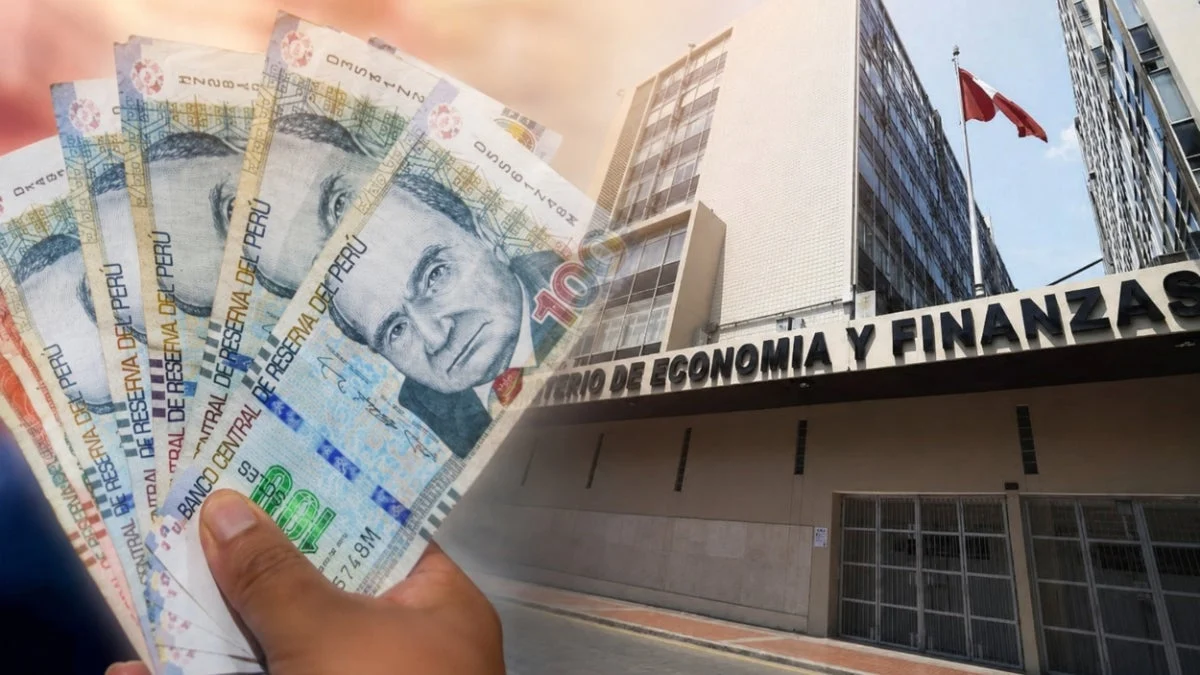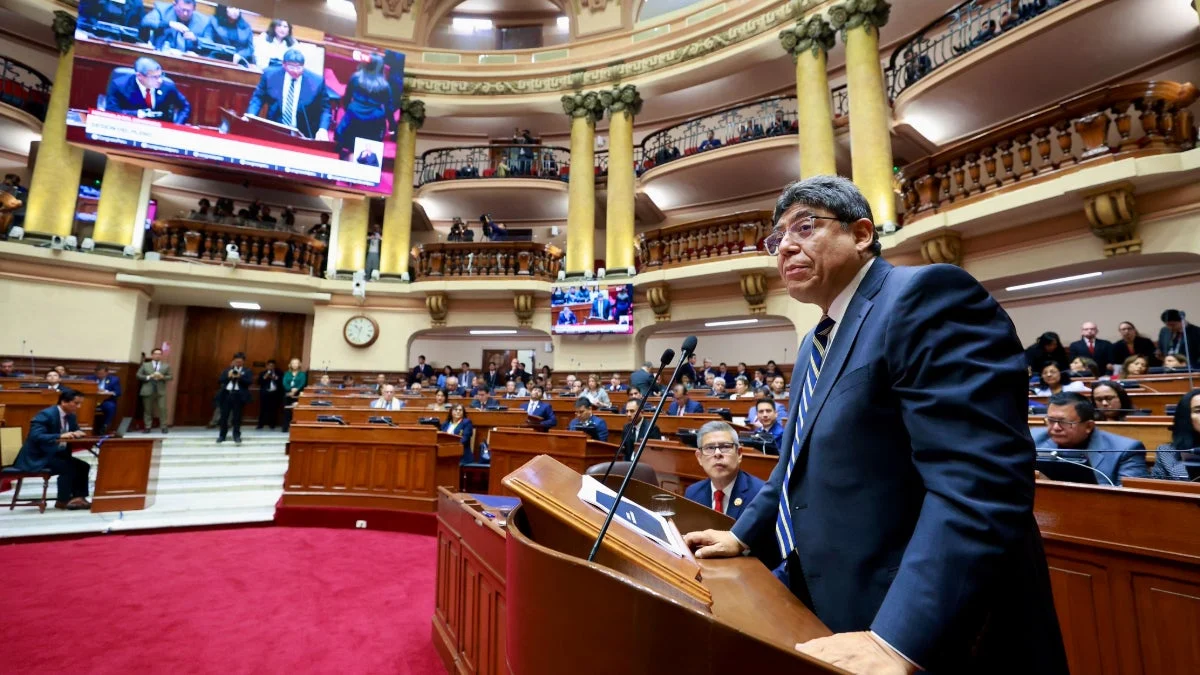
The Peruvian legislative landscape has entered a critical phase as the bicameral Congress initiates the debate on the Public Budget Law for 2027. This legislative package, which includes the Laws of Indebtedness and Financial Equilibrium, serves as the financial blueprint for the administration of President Keiko Fujimori. With a proposed expenditure of S/266.506 billion, the government aims to address the nation’s most pressing structural challenges, marking a 3.5% increase over the 2026 Institutional Opening Budget (PIA).
While the administration has framed this budget as a proactive roadmap for development, the proposal has sparked immediate scrutiny. Despite the government’s stated commitment to "security, education, health, and transport," a deeper analysis reveals a complex fiscal reality where total funding for key social sectors appears to be shrinking rather than expanding.
Main Facts: The Numbers Behind the Vision
The 2027 budget, presented by the Council of Ministers, signals a clear intent to prioritize infrastructure and social safety nets. However, the headline figures hide significant internal shifts.
- Total Budget: S/266.506 billion.
- Year-on-Year Growth: A modest 3.5% increase compared to 2026.
- Stated Priorities: Security, Education, Health, and Transportation.
- Infrastructure Focus: Massive allocations for the National Infrastructure Authority (ANIN), road maintenance, and major metropolitan projects like the Lima Metro and the Chinchero Airport in Cusco.
- Social Policy: A major commitment to double the Pensión 65 benefit, increasing it from S/350 to S/700 bimonthly.
Chronology of the Legislative Process
The introduction of the budget marks the beginning of an intense fiscal cycle:
- Presentation to the Pleno: Prime Minister Luis Galarreta and Minister of Economy Elmer Cuba formally submitted the proposal, outlining the government’s strategic pillars.
- Initial Scrutiny: Independent analysts and opposition members immediately flagged discrepancies between the government’s rhetoric regarding "increased investment" and the actual total figures for Health and Security.
- The Committee Review: The project has now been referred to the Bicameral Commission on Budget and General Account of the Republic, chaired by former Minister of Economy José Arista. This commission will spend the coming weeks dissecting the proposals line by line.
- Final Approval and Publication: Following committee amendments and plenary debate, the law must be ratified and subsequently published in the official gazette, El Peruano, to become law.
Supporting Data: The Discrepancy Between "Current" and "Total"
A significant point of contention during the opening sessions was the conflicting data presented by the Executive. Minister Elmer Cuba claimed that sectors like Health and Public Order would receive substantial funding increases—S/848 million and S/368 million, respectively.
However, forensic analysis of the budget documentation reveals that these figures refer exclusively to current expenditures (salaries, goods, and services) rather than the total budget allocation. When factoring in the total investment requirements, the reality is starkly different:
- Health: The government has earmarked S/32.208 billion. When compared to the previous year, this represents a reduction of S/679 million.
- Public Order and Security: Despite the administration’s rhetoric regarding a "crackdown on crime," the proposed budget is S/15.4 billion—a reduction of S/519 million compared to the 2026 allocation.
This disconnect suggests that while the government may be covering basic operational costs, the long-term investment in hospital infrastructure or specialized police equipment may be facing a decline, potentially undermining the very goals the administration claims to prioritize.
Official Responses and Strategic Pillars
The government’s defense relies on the narrative of "targeted efficiency." During the presentation, the Cabinet highlighted sectors that did see genuine, substantial growth:
1. Confronting the El Niño Phenomenon
Recognizing the cyclical vulnerability of the Peruvian landscape, the budget allocates S/2.489 billion specifically for El Niño mitigation. This is in addition to the S/2.5 billion already active for the current year. "For the summer months, we have a total pool of S/5 billion to ensure we are not caught unprepared," Minister Cuba explained. Key beneficiaries include the National Infrastructure Authority (S/1.047 billion) and INDECI.
2. Transportation and Infrastructure
Transport is the clear winner in the 2027 budget, receiving an additional S/3.689 billion. The government is betting on large-scale construction to stimulate the economy, including:
- The expansion and maintenance of Lima Metro Lines 1 and 2.
- The Santa Rosa Expressway.
- The Peripheral Road Ring for Lima and Callao.
- The completion of the Chinchero Airport in Cusco.
3. Education: The Nation’s Largest Line Item
Education remains the highest priority in absolute terms, with a massive S/52.198 billion allocation. However, 60% of this figure is locked into payroll obligations. The government aims to maintain current scholarship programs, with Minister Cuba highlighting the creation of 11,000 new spots under the Pronabec scholarship program.
4. Defense and Justice
Defense has seen a significant boost of S/1.812 billion, primarily aimed at technological modernization and the repair of military assets. Similarly, the Justice sector is set to receive an increase of S/884 million, intended to streamline the judicial process and improve prison infrastructure.
Implications: The Political and Economic Fallout
The 2027 budget is more than just a ledger; it is a political statement. The decision to prioritize infrastructure over immediate increases in Health and Security spending carries significant risks.
The Fiscal Tightrope
The administration is attempting to manage a delicate balance: satisfying the public demand for social welfare (via Pensión 65) while maintaining an image of fiscal responsibility. However, by labeling Health and Security as "priority" areas while simultaneously reducing their total budgets, the government is inviting criticism from opposition parties who argue that the Executive is prioritizing "concrete and steel" over the fundamental well-being of the citizenry.
The Role of the Bicameral Commission
Under the leadership of José Arista, the Bicameral Commission faces the difficult task of balancing the Executive’s vision with the practical needs of the regions. Given that the commission holds the power to redistribute funds, we can expect fierce lobbying from regional governors and local mayors who may feel that the central government’s focus on mega-projects in Lima and Callao leaves the interior of the country underfunded.
Economic Sentiment
For international investors, the 2027 budget provides a sense of continuity. The emphasis on infrastructure and the commitment to mitigating climatic risks (El Niño) signals a desire to maintain macroeconomic stability. Yet, the lack of a clear strategy for expanding public health coverage—especially in the post-pandemic era—could lead to social unrest if service quality continues to decline due to budget tightening.
Conclusion: A Turning Point for the Fujimori Administration
The 2027 budget process represents the first major test of the Fujimori administration’s ability to navigate the new bicameral congressional structure. The discrepancies in the health and security sectors provide a ready-made platform for the opposition to challenge the government’s narrative.
As the budget moves toward the final debate, the administration must clarify its stance. Are these reductions in health and security temporary, or are they indicative of a deeper fiscal contraction masked by the promise of increased current spending?
The final version of the budget, due for publication in El Peruano, will likely be the subject of intense negotiation. For now, the administration has laid its cards on the table: a bet on infrastructure, a commitment to social cash transfers, and a heavy reliance on the hope that current spending efficiencies will compensate for the lack of increased capital investment in the nation’s most vital public services. Whether this gamble pays off will depend on the government’s ability to execute these projects efficiently and the public’s perception of the trade-offs being made behind the closed doors of the Congressional Budget Commission.