In a demonstration of technical resilience and strategic management, two pillars of Peru’s mid-tier mining sector—Sierra Sun Group and Minera Titán—recently showcased their operational roadmaps, expansion plans, and environmental milestones. During the "Sierra Sun Group and Minera Titán: Strategic Vision and Challenges" networking cocktail, organized by the Canada-Peru Chamber of Commerce (CCCP), both firms underscored the vital role that mid-sized operators play in the country’s socio-economic fabric.
As the mining industry faces global volatility, these companies are distinguishing themselves through efficient capital allocation, advanced remediation techniques, and a steadfast commitment to ESG (Environmental, Social, and Governance) standards.
1. Main Facts: The Pillars of Mid-Tier Expansion
Sierra Sun Group: A Territorial Powerhouse
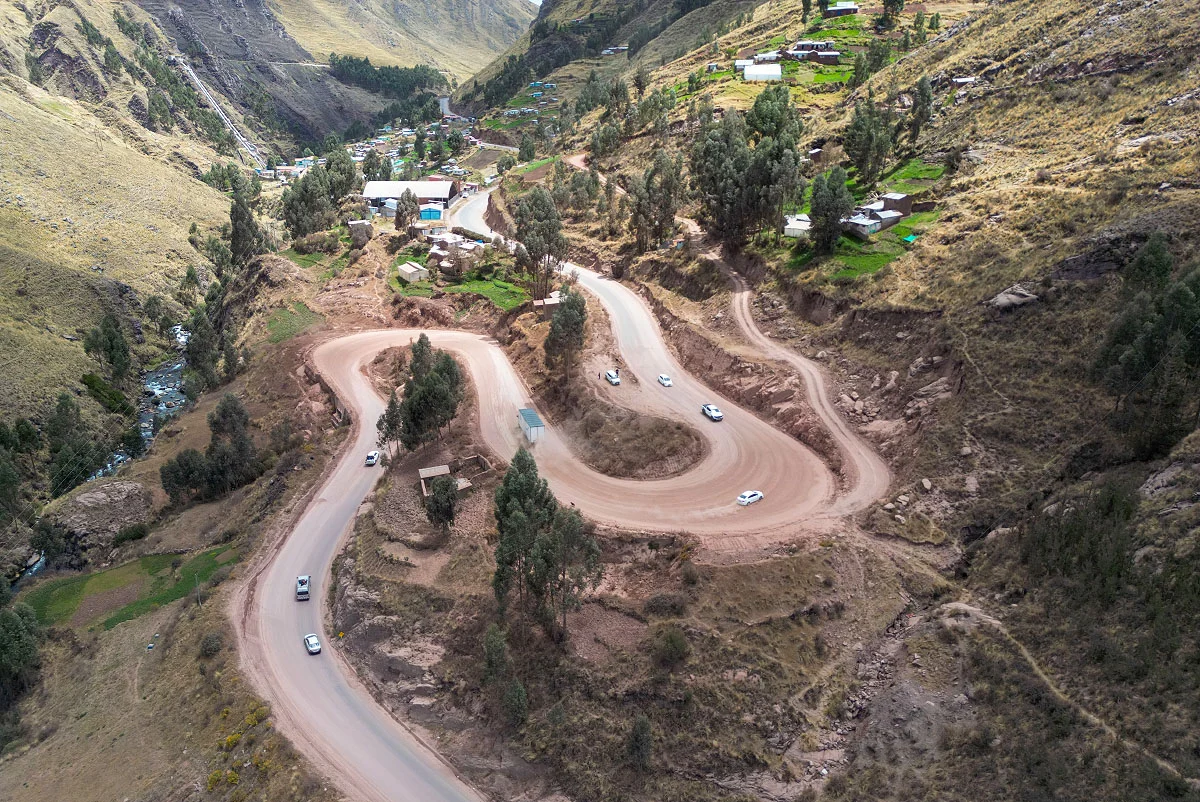
Sierra Sun Group has positioned itself as a leader in the transformation of mid-tier mining. Its current footprint is nothing short of massive: the company controls 108,000 hectares spread across 105 mining concessions in eight different regions of Peru.

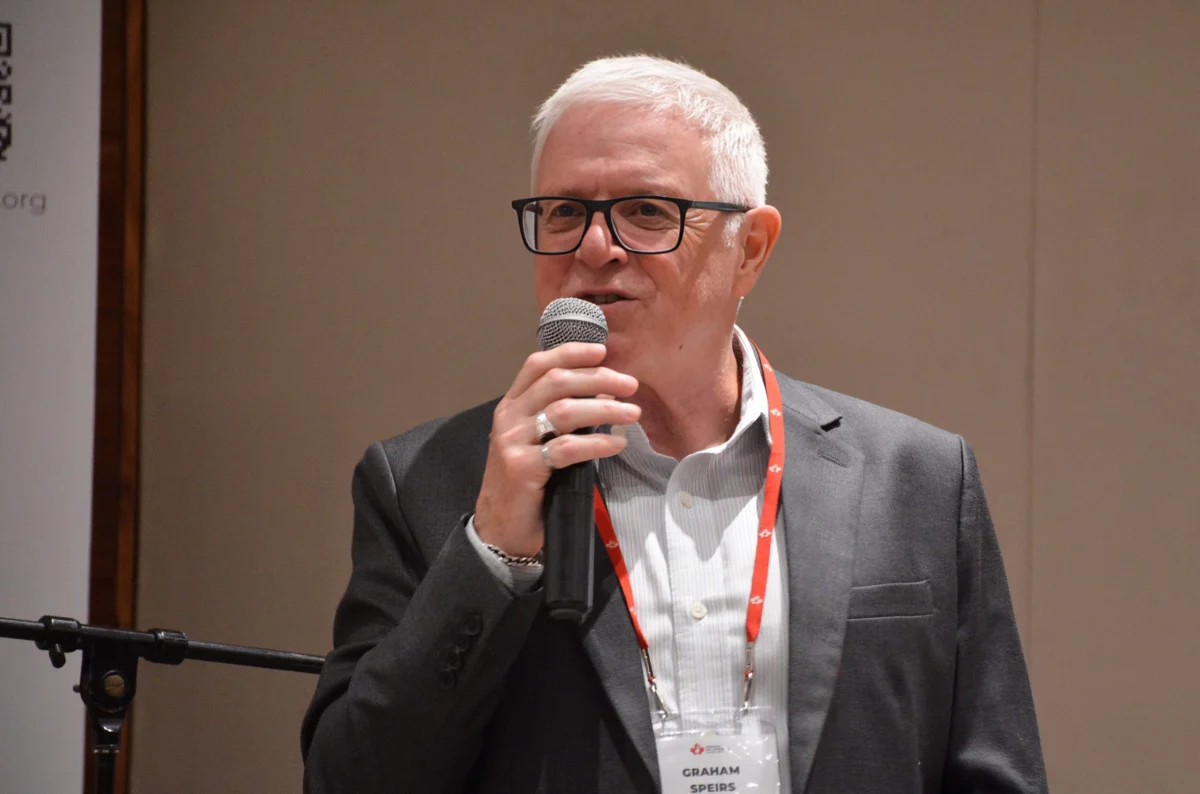
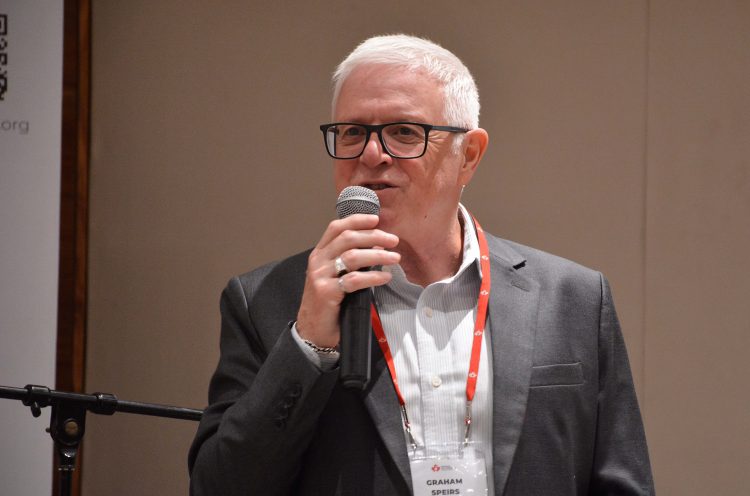
The company’s growth trajectory is anchored by a robust seven-year investment plan. By 2025, Sierra Sun Group expects to reach a production milestone of 1.8 million ounces of silver and 20,000 ounces of gold. CEO Graham Speirs, a seasoned Canadian executive, highlighted that the company’s focus remains firmly on its Antapite operation, citing its superior cost efficiency.
Minera Titán: A Scaling Success Story
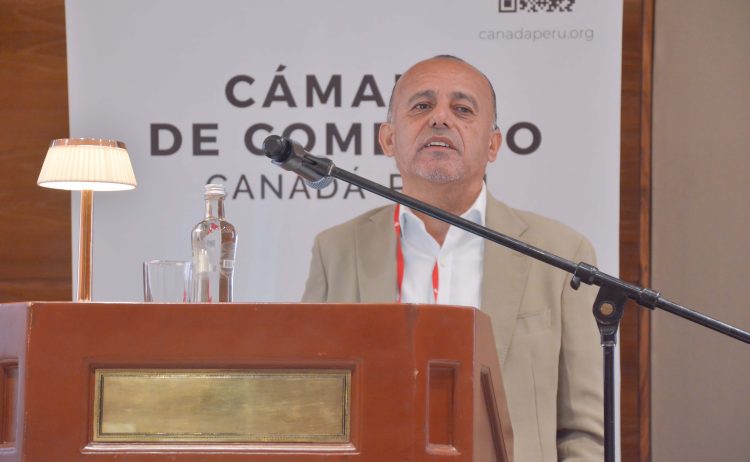
Minera Titán, represented by Deputy CEO Leopoldo Monzón, presented a compelling narrative of growth. From humble beginnings in 2000, when it acquired a processing plant in Chala with a capacity of just 11 tons per day (tpd), the company has undergone a massive industrial evolution. Today, Minera Titán is aggressively scaling its processing capacity to hit the 1,000 tons per day threshold, marking a significant transition from a small-scale artisanal-adjacent operation to a sophisticated mid-tier producer.
2. Chronology: Evolution and Resilience
The history of these companies is a testament to adapting to the shifting sands of the global mining landscape.
- 2000: Minera Titán begins operations in Chala with a 11 tpd processing capacity.
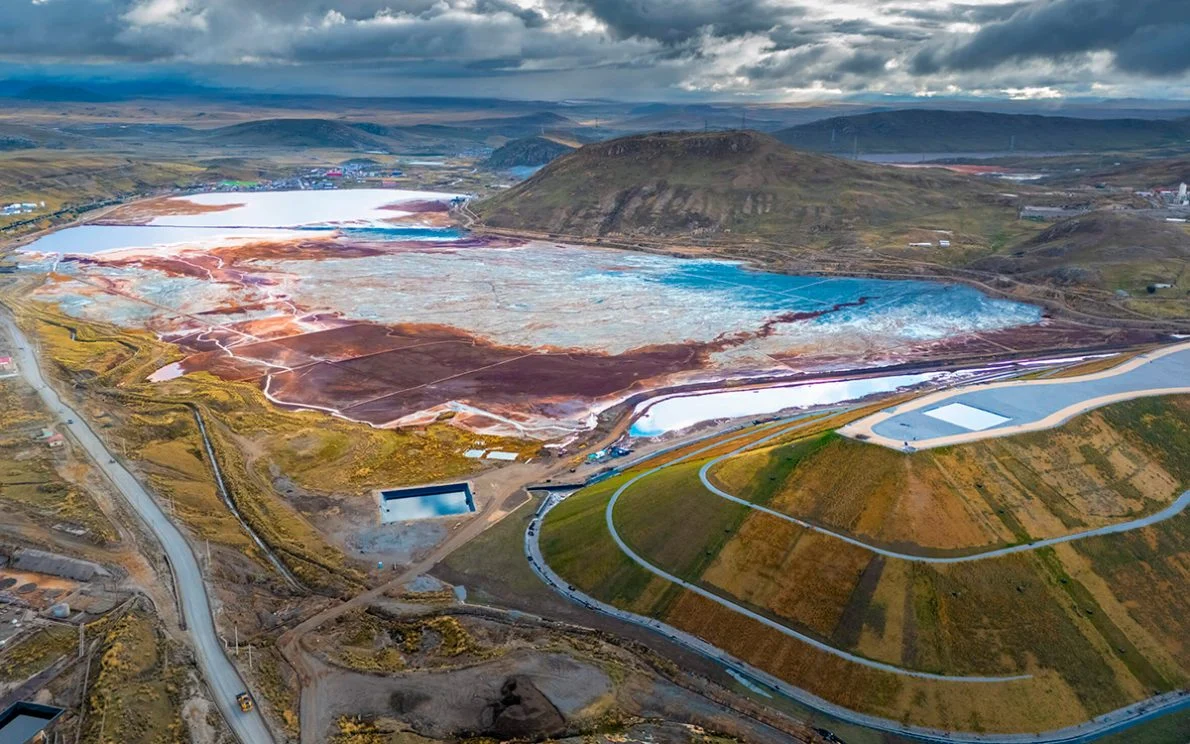
- The "Azulcocha" Intervention: Sierra Sun Group formally acquires the Azulcocha mine after a rigorous assessment of historical environmental liabilities. The company initiates an extensive remediation project, including the diversion of water courses and the stabilization of legacy tailings that had long impacted the Mantaro River.
- 2020-2022 (Pandemic Era): During the global health crisis, Sierra Sun Group successfully implemented the Sublevel Caving mining method, which significantly optimized concentrate production levels despite global supply chain disruptions.
- June 2023: In response to heightened volatility in international mineral prices, Sierra Sun Group made the tactical decision to pause specific operations. This move was not a sign of failure, but a calculated effort to preserve the group’s financial health.
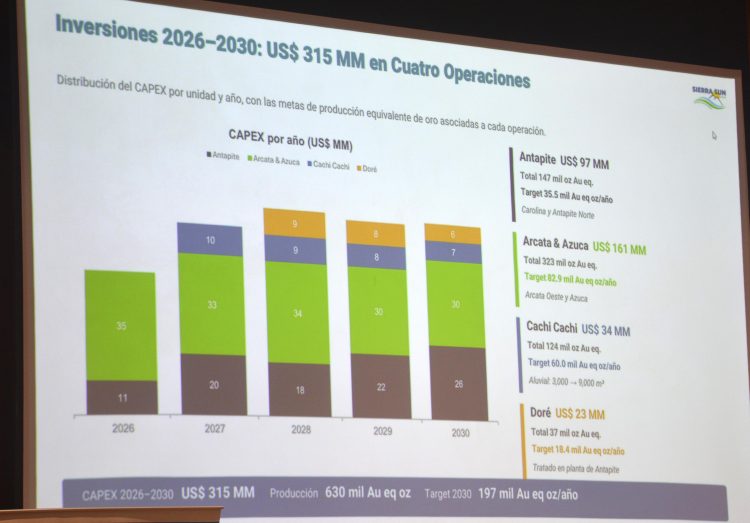
- February 2025: A watershed moment for Sierra Sun Group. The company secured a strategic financial agreement with industry giants Triple Flag, Ocean Partners, and Glencore. This capital injection serves as the cornerstone for the relaunch of the Arcata unit and the execution of a five-year, $315 million investment plan.
3. Supporting Data and Operational Infrastructure
The "Pique Master" Strategy
Graham Speirs’ leadership is defined by deep technical expertise, particularly in the construction of shafts (piques). Known in the industry as a "Pique Master," Speirs has overseen the development of some of the deepest shafts in Peru, Brazil, and Canada. This technical background is central to Sierra Sun Group’s ability to manage complex underground operations.
Geographical Reach of Sierra Sun Group
Sierra Sun Group manages a diverse portfolio of 11 mines, projects, and prospects. Their reach is national, spanning eight key regions:
- North: Focused on high-potential exploration and early-stage development.
- Central: Home to major remediation and active production units, including the focus on the Mantaro River basin restoration.
- South: The base for their flagship silver and gold assets, benefiting from established infrastructure and logistics chains that connect to the global market.
4. Official Responses and Strategic Vision
Graham Speirs: A Commitment to Peru
During the CCCP event, Speirs spoke candidly about his philosophy regarding capital allocation. "What suffers when there is a lack of money? Taking money from a good, high-producing mine to put it into one that isn’t," he remarked. This disciplined approach ensures that the company does not dilute the success of its performing assets to prop up underperforming ones.
Beyond the balance sheet, Speirs expressed a deep personal and professional attachment to the country: "Peru gave me the woman of my life, it gave me many friends, and it gave me many opportunities. I will never leave this country."
Leopoldo Monzón: Efficiency through Technology
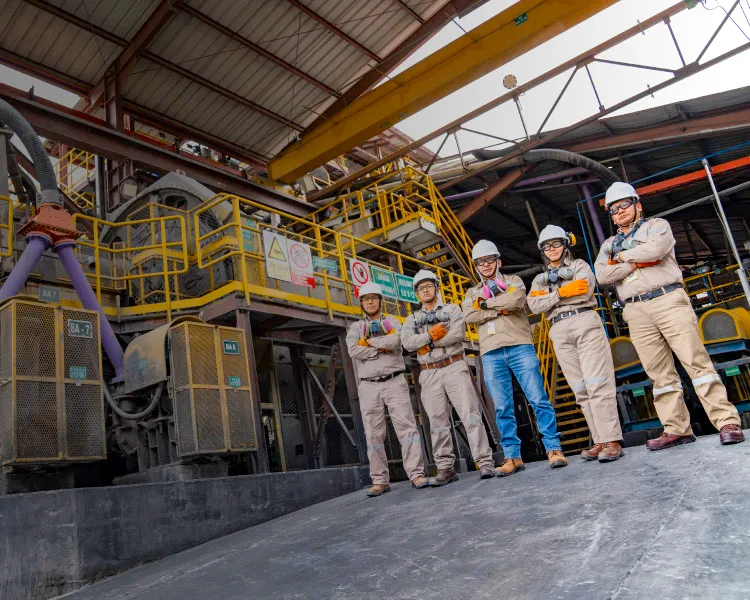
Minera Titán’s strategy revolves around the marriage of rapid technological adoption and the professionalization of the processing chain. By focusing on the "Chala" hub, they have demonstrated that a mid-tier miner can achieve high-volume throughput without sacrificing the agility of a smaller organization. Their expansion is supported by continuous investment in metallurgical recovery processes, ensuring that every ton processed yields maximum value.
5. Implications: Sustainability and Future-Proofing
ESG as a Business Driver
Sustainability is no longer a peripheral concern; for Sierra Sun Group, it is a core business metric.
- Carbon Neutrality: The group conducts annual carbon footprint measurements at Antapite and Arcata. With the "Estrella" recognition for emissions reduction, the company is aligning itself with the Paris Agreement, aiming for full carbon neutrality by 2050.
- Water Management: Perhaps the most significant environmental goal is the "Blue Certification" (Certificación Azul) from the National Water Authority (ANA). By utilizing ultrasonic technology in water transport and treatment, Sierra Sun is setting a new standard for industrial water usage in the Andes.
The Future of the Mid-Tier
The success of these two companies highlights a critical trend: the "Mid-Tier Mining" sector is becoming the engine of the Peruvian mining industry. While mega-projects often dominate the headlines, companies like Sierra Sun and Minera Titán are proving that:
- Remediation is an Asset: Dealing with legacy environmental liabilities is not just a regulatory hurdle; it is an opportunity to improve community relations and operational efficiency.
- Strategic Partnerships Work: The involvement of global players like Glencore and Triple Flag provides the necessary liquidity for mid-tier players to bridge the gap between exploration and production.
- Resilience is Key: The ability to pause operations during market downturns and pivot to more efficient mining methods (like Sublevel Caving) is the defining trait of a mature, modern mining enterprise.
Conclusion
The narrative presented by Sierra Sun Group and Minera Titán at the Canada-Peru Chamber of Commerce event is one of calculated growth and profound responsibility. As these firms continue to invest hundreds of millions of dollars into the Peruvian soil, they are not only extracting minerals—they are contributing to the long-term professionalization of the sector.
With a clear eye on the 2025 production targets and a firm commitment to environmental stewardship, both companies are well-positioned to navigate the complexities of the next decade. For Peru, this represents a stabilizing force in its mining economy, ensuring that the benefits of natural resource development are realized through technical precision, financial discipline, and a genuine, long-term commitment to the land and its people.