Introduction: A Proactive Defense Against Nature’s Volatility
In the rugged terrain of the Pataz district in La Libertad, Peru, the forces of nature are both a source of life and a constant threat. For the residents of the Vijus annex, the Tingo River has historically served as a critical lifeline for irrigation and local agriculture. However, during the intense climatic fluctuations associated with the El Niño phenomenon, the river becomes a source of significant anxiety, prone to overflows and erosive force that threaten local infrastructure and residential stability.
In a landmark effort to mitigate these risks, Compañía Minera Poderosa recently announced the successful completion of a crucial riverbank reinforcement project on the right margin of the Tingo River. This initiative, which involved the strategic placement of high-density rock armor, marks a significant milestone in regional disaster risk management. Representing an investment of over S/ 126,000, the project provides a robust shield for approximately 20 families, transforming a vulnerable flood-prone area into a resilient community zone.
Main Facts: The Scope of the Engineering Intervention
The project, finalized in early August, was not merely a construction task but a precise engineering intervention designed to withstand the hydraulic stresses of the Tingo River.
- Financial Commitment: Minera Poderosa invested S/ 126,000 to cover material procurement, logistics, and labor.
- Engineering Strategy: The focus was on "riprap" or rock-armor reinforcement. By placing large-dimension boulders along the riverbank, the engineering team effectively dissipated the energy of the water, preventing the soil erosion that typically precedes structural failure of nearby homes.
- Direct Beneficiaries: While the project protects vital infrastructure, its primary social impact is the safeguarding of 20 families whose homes were previously situated in the high-risk "inundation zone."
- Geographic Context: The intervention took place in the Vijus annex, a region characterized by steep topography where riverbank stability is paramount to prevent landslides and property loss.
Chronology: From Planning to Completion
The journey toward this achievement was defined by collaborative planning and a phased implementation strategy.
Phase 1: Risk Assessment and Stakeholder Engagement
The project originated from a series of community-led requests facilitated by the Committee for Community Development (Codeco) of Vijus. Recognizing the imminent threat posed by potential El Niño events, community leaders engaged with Minera Poderosa to evaluate the structural integrity of the Tingo River banks.
Phase 2: Technical Design and Procurement
Following the initial assessment, technical teams—including representatives from ACS Consultores and Asociación Pataz—conducted hydrological studies to determine the volume and size of the rock necessary to withstand the river’s peak flow during the rainy season. Procurement of the high-density materials was prioritized to ensure the project met stringent safety standards.
Phase 3: Execution and On-site Supervision
Construction began in the mid-year months, requiring careful logistical coordination to move heavy materials into the Pataz region. Throughout the process, the project maintained an open dialogue with the community, ensuring that the work did not disrupt the daily activities of the local irrigators or the Junta Administradora de Servicios de Saneamiento (JASS).

Phase 4: Official Inauguration
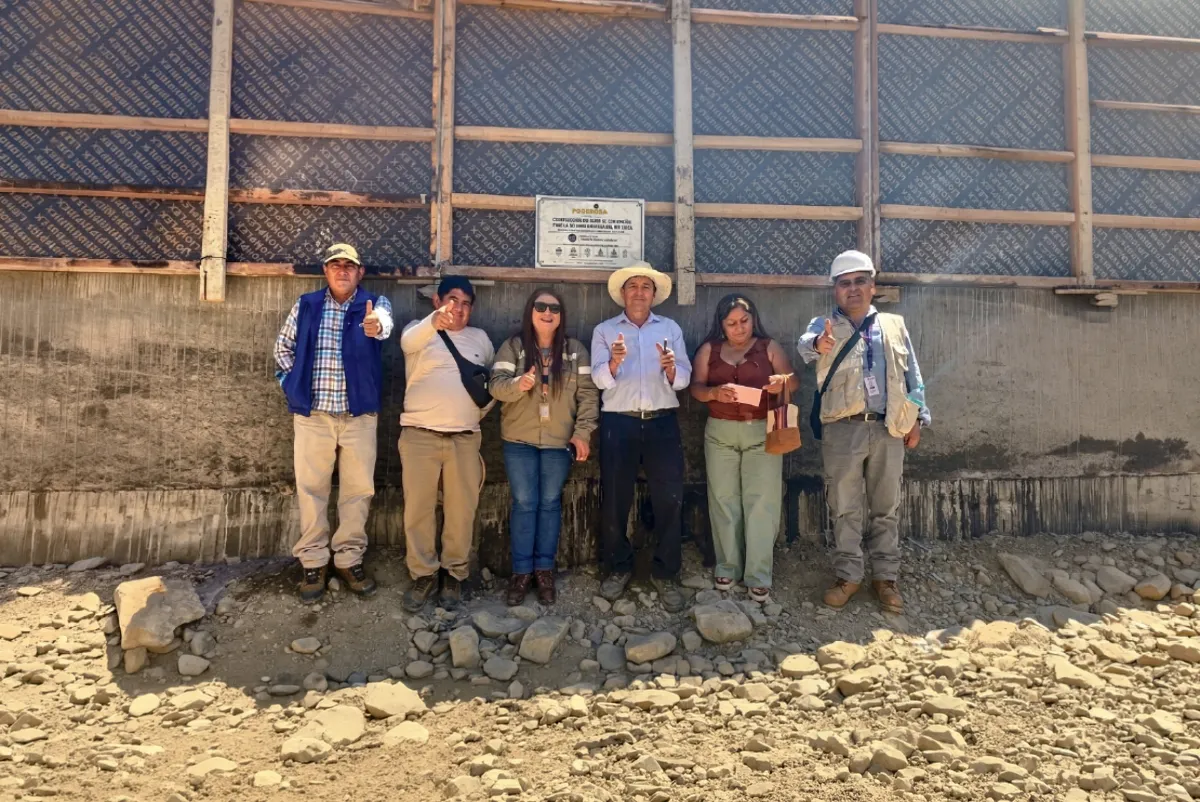
The project concluded in early August with a formal ceremony. The unveiling of a commemorative plaque signaled the completion of this first stage, serving as a symbolic reminder of the partnership between private enterprise and community leadership.
Supporting Data: Infrastructure and Sustainability
The reinforcement of the Tingo River bank is only one component of a broader strategy of territorial development. Minera Poderosa has integrated this physical protection into a wider ecosystem of preventive maintenance.
Water Resource Management
Beyond the bank reinforcement, the company is actively supporting the "Serpiente de Oro" Irrigators’ Committee. This partnership involves:
- Descolmatación (De-silting): Removing sediment from the riverbed to increase the channel’s capacity and reduce the likelihood of overflow.
- Encauzamiento: Strategic channeling of the water to ensure it follows a path that minimizes pressure on the embankments.
- Infrastructure Rehabilitation: The team has been working on the restoration of intake structures (bocatomas), sand traps (desarenadores), and irrigation canals. By maintaining these, the company ensures that even during periods of heavy rainfall, the community’s water supply remains secure and efficient.
Official Responses: The Voice of Stakeholders
The ceremony was attended by a diverse group of stakeholders, all of whom highlighted the project’s significance for the future of Vijus.
Adelmer Vega, President of Codeco (Vijus):
"This project is a testament to what we can achieve when we work together. The safety of these 20 families was our top priority, and through this collaboration with Poderosa, we have provided them with peace of mind that was previously absent. We are deeply grateful for the technical and financial support that has made this protection a reality."
María Paz Delgado, Assistant Chief of Community Relations at Minera Poderosa:
"For us, this is more than just a structural project; it is an expression of our core Safety Policy. We believe that a mining operation cannot thrive if its neighboring communities are living in fear of natural disasters. By reinforcing these banks, we are securing the present and investing in the sustainable future of Vijus. We are committed to continuing our work on the river’s preventive maintenance to ensure that the entire system remains resilient."
Local Governance and Expert Participation:
The presence of Solano Nontol (Codeco representative), Elda Cueva (JASS president), Gilder Quiñones (Asociación Pataz), and Antonio Angulo (ACS Consultores) underscored the multi-disciplinary approach required for such interventions. Their participation reflects a shared commitment to sustainable regional development and disaster risk reduction.

Implications: The Path Toward Sustainable Regional Development
The success of the Tingo River reinforcement project carries significant implications for corporate-community relations in the Pataz region and beyond.
A Model for Risk Mitigation
The project serves as a replicable model for how mining companies can leverage their resources and technical expertise to address climate-related risks. In many regions of the Andes, the lack of municipal funding for large-scale disaster prevention often leaves communities vulnerable. By stepping in to fill this gap, companies like Minera Poderosa move beyond the traditional "social responsibility" label, effectively acting as partners in civil protection.
Strengthening Social License
By prioritizing the physical safety of residents, Minera Poderosa has significantly strengthened its social license to operate. The investment demonstrates that the company’s presence in Pataz is mutually beneficial. When the community is safe from environmental threats, the social fabric of the region becomes more stable, allowing for a more harmonious integration between industrial operations and local livelihoods.
Long-term Resilience
Looking forward, the completion of this first stage is viewed as the foundation for future infrastructure improvements. The climate crisis necessitates a long-term view, and the integration of disaster risk reduction into daily operations is essential. The collaborative framework established with the Irrigators’ Committee ensures that maintenance is not a one-off event but a continuous cycle of care, protecting both the agricultural economy and the residential safety of the Tingo valley.
Conclusion
The reinforcement of the Tingo River bank is a triumph of engineering and community collaboration. For the residents of Vijus, the presence of the new, reinforced riverbank stands as a symbol of security against the unpredictable nature of the Tingo. For Compañía Minera Poderosa, the project represents a fulfillment of its duty to operate with care, responsibility, and foresight. As the region looks toward future seasonal challenges, the alliance between the company and the community stands ready to meet them, ensuring that the development of Pataz remains on solid, safe ground.