Introduction: A Strategic Pivot in Disaster Management
In a decisive move to fortify Peru’s agricultural infrastructure against the looming threat of the 2026-2027 El Niño phenomenon, the Ministry of Agrarian Development and Irrigation (Midagri) has unveiled a comprehensive framework that unlocks the potential of the private sector. Through the mechanism of "Obras por Impuestos" (OxI)—or Works for Taxes—the government is facilitating an unprecedented collaboration between state entities and private enterprises to accelerate urgent preventive and rehabilitative efforts.
The initiative, anchored by the legal provisions of Emergency Decree 010-2026, establishes a curated list of ten critical services that private companies can finance and execute. By leveraging the agility and capital of the private sector, the Ministry aims to bypass traditional bureaucratic bottlenecks, ensuring that vital defenses—ranging from river desilting to livestock protection—are in place before the anticipated climatic disturbances peak.
The Core Mandate: Ten Pillars of Resilience
The list approved by Midagri is not merely a set of suggestions but a strategic roadmap for disaster risk management. It encompasses interventions that are both infrastructural and biological, reflecting the multi-faceted impact of El Niño on the agrarian landscape.
Infrastructure and Hydraulic Works
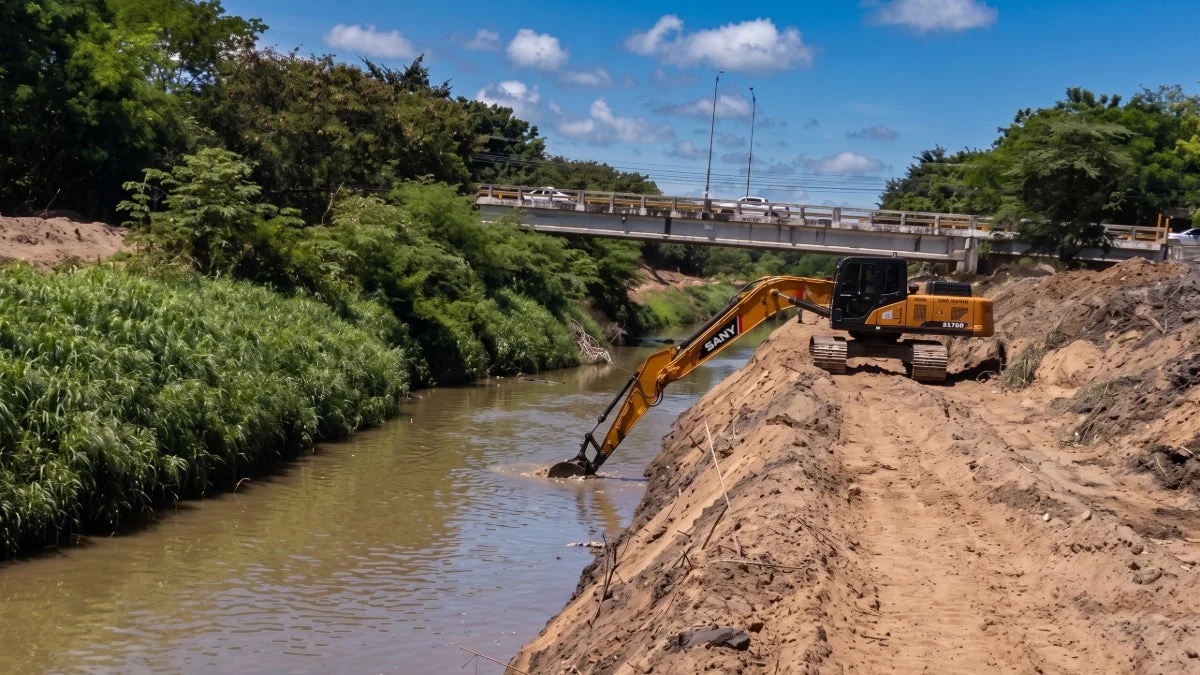
- Desilting and Channel Maintenance: The removal of sediment from riverbeds, quebradas (ravines), and irrigation drains to prevent overflow and catastrophic flooding.
- Heavy Machinery Deployment: The rental and operational management of heavy equipment required for rapid earthworks and site stabilization.
- Slope Stabilization: Protecting vital irrigation canals from landslides and erosion, ensuring that the lifeblood of the agriculture sector—water—remains uncompromised.
- Micro-Reservoir Optimization: The habilitation, cleaning, and lining of small-scale reservoirs to ensure water security for smallholder farmers.
- Water Storage Solutions: The deployment of geotanques (flexible tanks) for the temporary storage of water, a critical measure in regions facing severe hydrological deficits.
Agro-Livestock Protection
- Livestock Safeguarding: Provision of shelter, feeding infrastructure, and protective measures for livestock and camelids.
- Veterinary Emergency Assistance: Deployment of mobile veterinary units for sanitary control and epidemic prevention during the extreme weather period.
- Phytosanitary Defense: Implementing protective measures for crops to shield against pests and diseases that flourish in the humid, warm conditions typical of El Niño.
- Hydraulic Pumping Operations: Deployment of pumping systems to manage localized flooding or to transport water in areas where natural flows are disrupted.
- Emergency Logistics: Integrated services to maintain the supply chain continuity for critical agricultural inputs during the crisis.
Chronology: From Legislative Framework to Operational Reality
The path to this policy began with the acknowledgment that the 2026-2027 El Niño cycle could potentially eclipse historical precedents.
- Q1 2026: Midagri and meteorological institutions issue warnings regarding rising sea surface temperatures, suggesting a climate event of significant magnitude.
- Early 2026: The government enacts Emergency Decree 010-2026, creating an exceptional legal regime to fast-track public investments.
- Mid-2026: Technical teams within Midagri draft the specific list of services eligible for private execution under the OxI mechanism, ensuring alignment with national disaster risk reduction standards.
- Current Status: The ministerial resolution has been finalized and formally transmitted to ProInversión, the agency responsible for promoting and tracking the OxI mechanism, signaling the start of the solicitation phase for private partners.
Supporting Data and Technical Rigor
The Midagri resolution is notable for its insistence on evidence-based intervention. It is not enough for a company to simply offer capital; every project must be backed by a rigorous technical dossier.
The Substantiation Requirement
For any project—be it a massive desilting of a river channel or the installation of geotanques in a drought-prone province—the executing entity must provide:
- Vulnerability Mapping: Clear identification of the zones at risk, supported by satellite imagery and hydrological data.
- Impact Quantification: In the case of river works, the exact volume of material to be extracted and the linear meters to be intervened must be documented.
- Supply-Demand Analysis: For water storage projects, the agency must demonstrate the specific deficit in water supply that necessitates the intervention, ensuring that resources are allocated to the areas of greatest need.
This requirement ensures that the OxI mechanism does not result in "vanity projects" but rather focused, high-impact interventions that protect the livelihoods of thousands of farmers.
Official Responses and Strategic Coordination
The role of ProInversión is central to this effort. As the primary body for public-private partnerships in Peru, ProInversión is tasked with the "follow-up and dissemination" of the Midagri list. By housing these projects on a centralized platform, the government allows private companies—whether they are mining firms, agricultural conglomerates, or infrastructure developers—to identify projects that align with their corporate social responsibility (CSR) goals or their areas of operation.
Government spokespeople have emphasized that this is a "collaborative defense." The state provides the technical guidance and the legal framework, while the private sector provides the operational speed. This "all-hands-on-deck" approach is essential because the historical impact of El Niño in Peru—including the severe damage to the irrigation networks in the northern regions—has historically cost the economy billions of soles in lost productivity.
Implications: A New Era for Public-Private Cooperation?
The implications of this policy extend far beyond the 2026-2027 season.
Economic Implications
By utilizing the OxI mechanism, companies can deduct these investments from their income tax liabilities. This creates a "win-win-win" scenario:
- The State: Receives necessary infrastructure without immediate cash outlays, allowing it to preserve liquidity for other urgent welfare needs.
- The Private Sector: Gains the ability to direct tax dollars toward tangible, high-visibility projects in their own regions of influence, thereby stabilizing the local economy and securing their own supply chains.
- The Farmers: Benefit from faster, higher-quality infrastructure work that is often completed with more efficiency than traditional state-run tenders.
Societal and Environmental Impact
The focus on protecting camelids and livestock acknowledges that for many Andean communities, these animals are their primary assets. By integrating phytosanitary and veterinary support into the emergency list, Midagri is taking a holistic view of food security. Furthermore, the emphasis on river cleaning and canal stabilization addresses the long-term sustainability of the agricultural sector, reducing the frequency with which the government must "re-build" the same irrigation channels after every rainy season.
Challenges Ahead
Despite the optimism, critics of the OxI mechanism often point to the complexity of project management. The success of this policy will depend heavily on the capacity of local governments to identify projects that meet the high standards set by Midagri. If a municipality lacks the technical staff to draft a high-quality dossier, the private sector may be hesitant to invest. Therefore, the training and technical support provided by Midagri to local entities will be the final, critical link in this chain of defense.
Conclusion
As Peru prepares for the environmental volatility of the coming years, the collaboration between Midagri and the private sector via the Obras por Impuestos mechanism represents a maturation of the country’s disaster response strategy. By moving from a reactive stance—where funds are often deployed too late—to a proactive model that invites private efficiency into the public sphere, the government is attempting to build a wall of resilience.
The success of these ten pillars will not be measured by the amount of money invested, but by the number of crops saved, the integrity of the irrigation systems maintained, and the overall continuity of the agricultural sector in the face of what promises to be a testing climate event. For the private companies involved, this is an opportunity to prove that their role in society is not just as taxpayers, but as active partners in safeguarding the nation’s most precious resources.