In a decisive move to bolster its international reach, the Peruvian government has embarked on a series of high-level negotiations aimed at revolutionizing air connectivity between Lima and major European hubs. Led by the Minister of Transport and Communications, Rafael Rey, the initiative seeks to establish new, direct flight routes to Italy while simultaneously laying the groundwork for a comprehensive "Open Skies" agreement. This diplomatic and commercial effort, conducted in collaboration with Italian authorities, promises to reshape trade, tourism, and bilateral relations between the two nations.
Main Facts: The New Gateway to Europe
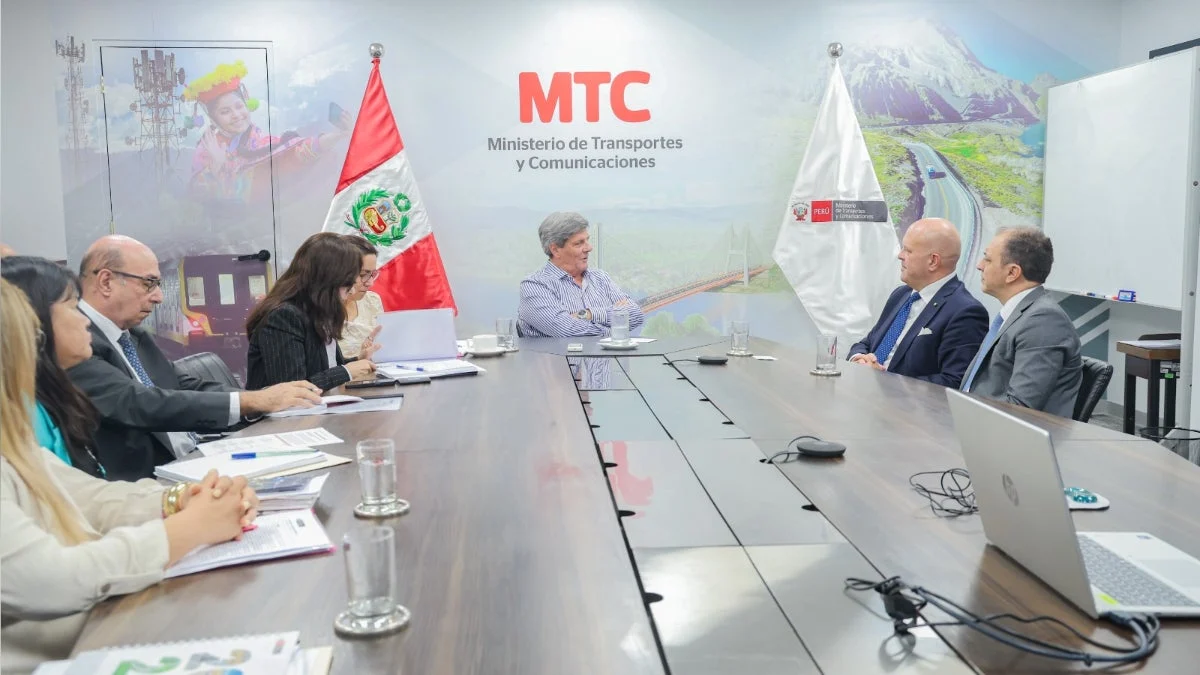
The recent meetings, held in Lima, brought together Minister Rafael Rey, the Italian Ambassador to Peru, Massimiliano Mazzanti, and representatives from EuroCámaras Peru and the Italian Chamber of Commerce in Peru, led by Marco Fragale. The central focus of these discussions was the enhancement of the aviation landscape.
Currently, the General Directorate of Civil Aviation (DGAC) is aggressively pursuing two primary objectives:
- The Middle Eastern-Milan-Lima Connection: This proposal envisions a flight route originating in the United Arab Emirates, with a strategic stopover in Milan, before terminating in Lima. The route is projected to offer up to seven weekly frequencies, significantly increasing the capacity for passengers and cargo transit. This proposal is currently in the advanced stages of technical and regulatory evaluation.
- The Direct Roma-Lima Link: Perhaps the most ambitious aspect of the plan, this initiative involves the establishment of a direct, non-stop flight connecting Rome to Lima. Operated by an Italian carrier, this route is currently in the analysis and market feasibility stage, aimed at providing a seamless bridge between the historical capitals.
These initiatives are complemented by the negotiation of a Memorandum of Understanding (MoU) on Open Skies. Such an agreement would dismantle bureaucratic barriers, foster healthy competition among airlines, and streamline the entry of new carriers into the Peruvian market, ultimately lowering costs and increasing choices for consumers.
Chronology of Diplomatic Engagement
The recent push for expanded connectivity is not an isolated event but the culmination of months of sustained diplomatic efforts.
- Preliminary Consultations (Early 2024): Technical teams from the DGAC and their Italian counterparts began assessing market demand for increased connectivity, noting the post-pandemic surge in transatlantic travel.
- High-Level Summits (Mid-2024): The dialogue shifted to the ministerial level as the economic importance of the Italian-Peruvian corridor became apparent. Issues ranging from airport safety protocols to investment incentives for infrastructure were prioritized.
- The Ministerial Meeting (Recent): Minister Rafael Rey met with Ambassador Massimiliano Mazzanti and key private-sector stakeholders to formalize the intent to advance the proposed flight routes and the Open Skies agreement.
- The Business Forum (Upcoming): The momentum is set to culminate in the "Business Forum Italy-Peru," scheduled for October 5 and 6 in Lima, which will serve as the venue for further negotiations and the potential solidification of commercial partnerships.
Supporting Data: Why Italy and Why Now?
The push for a direct Rome-Lima route and the Milan-stopover option is backed by robust market analysis. Peru has seen a consistent increase in European tourism, with Italy remaining one of the top sources of visitors to iconic destinations like Machu Picchu and the culinary hubs of Lima.
Furthermore, the "Ruta del Papa" (The Pope’s Route) is currently driving significant administrative preparations. The MTC is coordinating operational conditions across key airports to handle the anticipated surge in passenger traffic. This includes optimizing security protocols, improving flow management, and ensuring that airports meet the international standards required for long-haul, high-capacity flights.
From an infrastructure perspective, the economic data suggests that the presence of Italian firms in Peru is substantial. Italian companies have historically been significant participants in energy, construction, and public works projects. By improving connectivity, the government expects a multiplier effect, as easier travel for executives and engineers will likely lead to increased direct investment (FDI) in Peru’s burgeoning infrastructure sector.
Official Responses and Strategic Intent
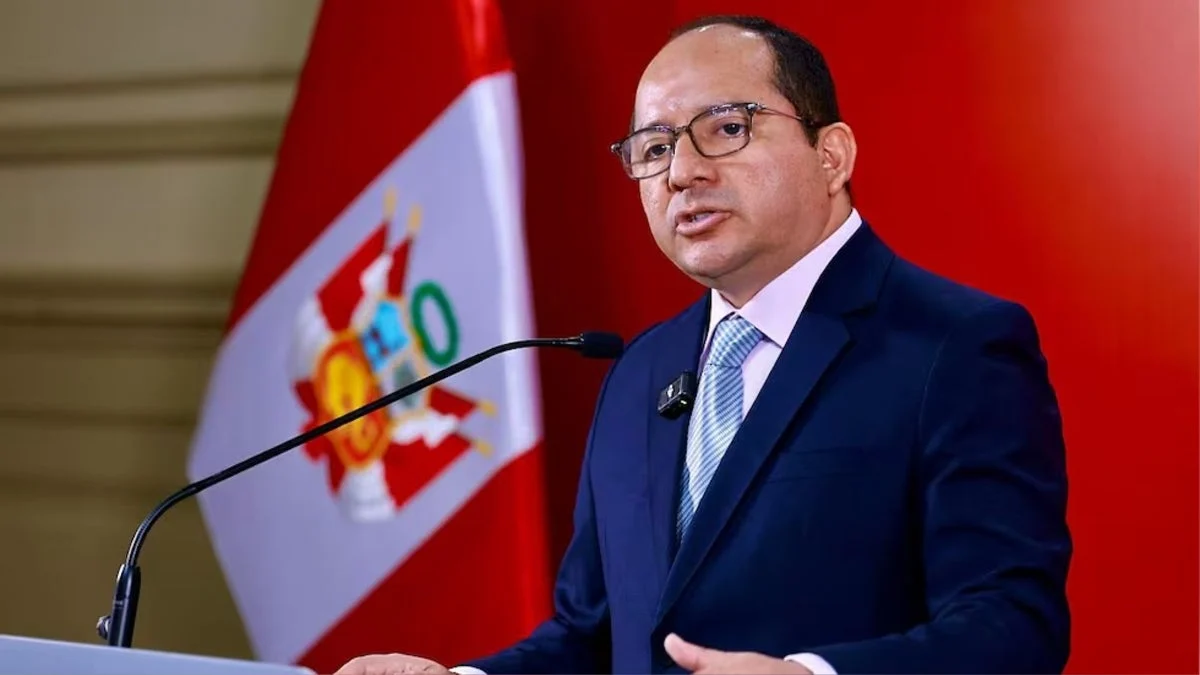
Minister Rafael Rey emphasized that the ministry’s role is to act as a facilitator of growth. "Our objective is to integrate Peru more deeply into the global aviation network," Rey stated. "By creating competitive conditions, we are not just adding flights; we are opening our country to greater investment, cultural exchange, and commercial prosperity."
Ambassador Massimiliano Mazzanti echoed these sentiments, noting that the relationship between Italy and Peru is defined by a deep historical and cultural affinity. "The possibility of direct connections represents a natural evolution of our bilateral ties," Mazzanti remarked. He underscored that the upcoming Business Forum will be the crucial platform to move from the conceptual phase to the operational phase of these projects.
The Vice-ministers of Transport and Communications, Gabriela Carrasco Carrasco and Dalia Suárez Salazar, who were present during the deliberations, highlighted the technical diligence required to integrate these routes. Their focus remains on the sustainability of the operations, ensuring that the new routes are not only profitable for the airlines but also provide long-term benefits to the Peruvian economy.
Implications: A New Era for Peruvian Aviation
The successful implementation of these initiatives carries profound implications for the future of the nation.
1. Economic Diversification
The Open Skies agreement is designed to attract diverse airlines, reducing the reliance on a few dominant carriers. This competitive environment is historically proven to drive down ticket prices, which stimulates tourism and allows for more frequent business travel.
2. Infrastructure Modernization
To support the increase in flights, the MTC is compelled to accelerate upgrades to existing airport facilities. This includes improved customs and immigration processing, state-of-the-art baggage handling systems, and expanded runway capacity. These upgrades will serve as a permanent legacy, enhancing Peru’s logistics capabilities for years to come.
3. Strengthening the "Global Hub" Vision
Lima’s geographical position makes it an ideal transit point for South American travel. By securing direct links to Europe, Peru strengthens its claim as a regional hub. This connectivity allows travelers from the rest of the continent to transit through Lima to access European markets, further positioning the country as a vital node in global trade.
4. Deepening Public-Private Synergy
The focus on the Business Forum underscores the government’s commitment to the private sector. By aligning the needs of the aviation industry with the infrastructure development goals of the state, the MTC is creating a cohesive roadmap for growth. Italian businesses are poised to play a central role in this, with their expertise in infrastructure development offering a perfect match for Peru’s current investment pipeline.
Conclusion: The Road Ahead
As the October Business Forum approaches, the atmosphere in both Lima and Rome is one of cautious optimism. While the technical, legal, and commercial hurdles of establishing new air routes are significant, the commitment demonstrated by the Ministry of Transport and Communications and the Italian diplomatic mission indicates a high level of political will.
The successful launch of the Rome-Lima direct flight and the Milan-connected route would represent a major victory for the administration of Rafael Rey. It would signal to the world that Peru is open for business, ready to facilitate the movement of people and capital, and fully committed to integrating itself into the modern global landscape. For the citizens of both nations, the promise of closer, faster, and more affordable travel is not merely an aspiration—it is rapidly becoming an operational reality.