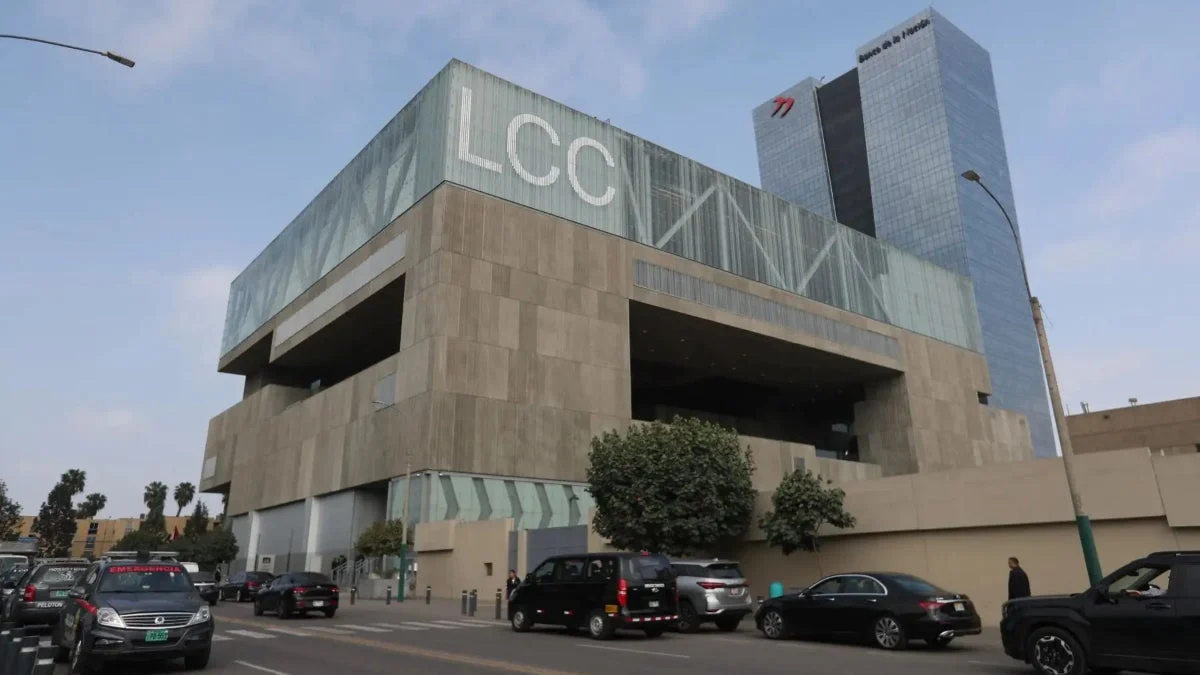
The landscape of professional event management in Peru is set for a monumental transformation. After nearly a decade of state-led administration, the Lima Convention Center (LCC)—a landmark architectural achievement in the San Borja district—is transitioning to a private operational model. The Agency for Promotion of Private Investment (ProInversión) has officially awarded the operation, maintenance, and commercial exploitation of the venue to GL Events Venues, a global powerhouse in the event management sector.
This move, structured under a Public-Private Partnership (PPP), represents a significant shift in how the Peruvian government manages its major public infrastructure assets. With a projected investment of US$104.73 million over the next 15 years, the initiative aims to revitalize the venue, increase its international footprint, and solidify Lima’s position as a premier global hub for meetings, incentives, conferences, and exhibitions (MICE).
Main Facts: The New Era of the LCC
The Lima Convention Center, inaugurated in 2015, has long been recognized for its state-of-the-art design and massive capacity. Spanning eight levels and featuring 18 multifunctional halls, it is capable of hosting approximately 10,000 people simultaneously. Despite its scale, the facility has struggled to achieve its full potential under the stewardship of the Ministry of Housing, Construction, and Sanitation (MVCS).
The contract awarded to GL Events Venues is a long-term commitment spanning 15 years. Under the terms of the agreement, the private operator will assume full responsibility for:
- Operational Management: Daily running of the facilities, including technical services and security.
- Maintenance: Ensuring the venue meets international standards for infrastructure and technology throughout the contract term.
- Commercial Exploitation: Proactively seeking out, scheduling, and promoting both domestic and international events.
By shifting the burden of commercialization to a specialist entity, the Peruvian state hopes to transition from an "owner-operator" model to a "landlord" model, receiving steady revenue while ensuring the asset is utilized to its maximum economic capacity.
Chronology: From State Stewardship to Private Innovation
The journey toward this privatization was not instantaneous. It followed a rigorous evaluation by ProInversión to determine the best path forward for the country’s premier meeting space.
- 2015: The Lima Convention Center is inaugurated, designed to be the centerpiece of international gatherings in Peru.
- 2015–2023: The venue operates under the direct management of the Ministry of Housing. During this period, the center successfully hosted high-profile events, such as the World Bank and IMF Annual Meetings, but faced criticism regarding its long-term sustainability and the intensity of its commercial use.
- 2023–2024: ProInversión initiates the competitive bidding process, seeking a partner with proven global expertise in venue management.
- Mid-2024: Three primary contenders emerge in the final stage of the tender: GL Events Venues, the Consorcio Centro de Convenciones–Exposistemas, and Grupo Heroica S.A.S.
- The Award: After a comprehensive technical and financial review, GL Events Venues is selected as the winner, marking the first time a private operator will manage the facility.
The Competitive Landscape: A Rigorous Selection Process
The bidding process for the LCC was designed to be highly competitive to ensure that only the most qualified global operators would be considered. The presence of three distinct, experienced finalists demonstrated the market’s confidence in Lima as a growing destination for large-scale conventions.
GL Events Venues, a subsidiary of the French-based GL Events Group, emerged as the successful bidder due to its extensive track record of managing over 50 venues worldwide, including convention centers in major cities across Europe, Asia, and Latin America. Their proposal not only met the technical requirements of the tender but also provided a clear vision for integrating the Lima Convention Center into the global circuit of premier event locations.
The evaluation criteria focused on three pillars: the ability to maintain the physical infrastructure at world-class standards, the strength of the candidate’s commercial network, and the proposed financial plan to ensure the project remains self-sustaining over the 15-year term.
Supporting Data: Economic Impact and Strategic Investment
The investment of US$104.73 million is not merely for maintenance; it is a strategic injection of capital intended to modernize the venue’s technological infrastructure, improve visitor experience, and streamline operational efficiency.
Impact on the MICE Tourism Sector
The MICE (Meetings, Incentives, Conferences, and Exhibitions) industry is a significant contributor to the global economy, and for a city like Lima, it is a vital engine for growth. The business traveler typically spends significantly more than the average leisure tourist, often staying in high-end hotels, utilizing premium transport, and driving demand for gourmet dining and cultural services.
According to industry data, every dollar generated through convention center bookings has a "multiplier effect" on the local economy. For each large-scale event, the ripple effect extends to:
- Hospitality: Increased occupancy rates for hotels in the surrounding San Borja and Miraflores districts.
- Logistics and Transport: Demand for specialized event logistics, catering services, and high-quality ground transportation.
- Local Commerce: Increased revenue for local retailers, restaurants, and tourism-related service providers.
The goal is to move the LCC from being a government-subsidized facility to a self-sufficient revenue generator that contributes directly to the Peruvian treasury while simultaneously driving private sector economic activity.
Official Responses: Aligning Public Policy with Private Expertise
The leadership at ProInversión has been clear about the motivations behind this transition. Luis Del Carpio, Executive Director of ProInversión, noted that the project is a landmark case for the country.
"This adjudication demonstrates that Public-Private Partnerships do not only allow for the incorporation of private investment to develop new infrastructure but also allow us to add value to and make better use of infrastructure that already exists," Del Carpio stated. He emphasized that the state’s core competency is policy and regulation, whereas the private sector’s core competency is commercial agility.
By handing the keys to a specialist, the government expects to bridge the gap between having a world-class building and having a world-class service provider. "When a large convention comes to Lima, the impact goes far beyond the venue where it is held. Hotels, restaurants, transport, commerce, and a wide service chain are all mobilized," he added.
Implications: A New Chapter for Lima
The implications of this move are far-reaching for Peru’s tourism and business landscape.
1. Global Positioning
Lima has long aspired to compete with cities like Bogota, Buenos Aires, and Santiago for major regional conventions. By partnering with a global operator like GL Events, Lima gains an automatic "seal of quality" that international event planners look for when selecting host cities.
2. Operational Efficiency
Government-run venues often struggle with the agility required to manage fluctuating demand. A private operator brings in specialized software, global marketing teams, and the flexibility to adjust staffing and services based on real-time event needs. This will likely lead to shorter lead times for bookings and a more seamless client experience.
3. Sustainability of the Asset
Infrastructure decay is a common issue for public buildings that lack a dedicated maintenance budget. The 15-year contract ensures that the LCC will undergo periodic upgrades, preventing the obsolescence that often plagues public convention centers.
4. Catalyst for Further PPPs
This project serves as a pilot for future PPPs in the cultural and service sectors in Peru. If successful, the government may look to apply similar models to other public assets, such as museums, sports complexes, or cultural centers, further reducing the fiscal burden on the state while increasing the quality of services provided to the public.
Conclusion: The Road Ahead
As GL Events Venues begins its transition, the eyes of the international MICE community will be on Lima. The success of this venture depends on the operator’s ability to attract international congresses that have previously bypassed Peru in favor of more established convention hubs.
The Lima Convention Center is no longer just a building; it is now a commercial enterprise tasked with a national mission: to showcase Peru as a stable, sophisticated, and capable host for the world’s most important gatherings. Through this partnership, the Peruvian government has taken a bold step toward ensuring that its investment in the LCC translates into tangible economic prosperity for the nation. The next 15 years will determine whether this strategic pivot becomes the gold standard for public asset management in Latin America.