Executive Summary: A Narrow Path for Legislative Delegation
The political landscape in the capital has been dominated by a high-stakes legislative drama concerning the delegation of powers from the Chamber of Deputies to the Executive branch. Following a grueling 13-hour plenary session, the Chamber of Deputies successfully approved a majority report that significantly curtails the Executive’s original request for legislative authority.
While the administration of President Lucho Galarreta initially sought broad powers covering 66 distinct areas of government over a 120-day period, the approved text reflects a much more restrained approach. The legislative body, acting through a coalition of several parties, narrowed the scope to 20 specific matters, primarily focusing on public security and mitigating the impact of the El Niño weather phenomenon. The bill now heads to the Senate, setting the stage for a constitutional clash regarding the limits of the "reflexive chamber" in reviewing legislation passed by the lower house.
Chronology of the Debate: From Rejection to Reconsideration
The events of Tuesday, October 6, underscored the deep divisions within the legislative branch. The session began with the presentation of the Constitution Committee’s majority report, which enjoyed the support of the Ahora Nación, Movimiento Cívico Obras, Buen Gobierno, and Renovación Popular benches.
The Legislative Seesaw
The path to approval was far from linear. Initially, the proposal faced a stinging setback as the benches of Fuerza Popular and Juntos por el Perú successfully marshaled enough votes to reject the report. The plenary then moved to consider minority reports presented by these opposing factions, but these, too, were ultimately voted down, leaving the legislative process in a state of paralysis.
Recognizing the potential for a total failure of the initiative, the leadership of Renovación Popular moved for a reconsideration of the primary majority report. After intense lobbying and debate, the motion passed with 66 votes in favor. However, the victory was not unanimous in spirit; notably, the Partido del Buen Gobierno, despite having helped draft the technical aspects of the bill, chose to abstain in the final vote. This maneuver served as a "preventive protest" against signals from Senate leadership that they might attempt to unilaterally expand the scope of the delegated powers once the bill reaches the upper house.
Supporting Data: The Scale of the Requested Powers
To understand the friction between the branches, one must look at the discrepancy between the Executive’s initial proposal and the legislature’s final output.
- Original Executive Proposal: 66 legislative subject areas; 120-day timeframe.
- Congressional Majority Report: 20 specific legislative subject areas; narrowed focus.
- Primary Focus Areas:
- Public Security: Addressing the escalating crime crisis.
- Climate Mitigation: Preparations and emergency response for the El Niño phenomenon.
The reduction from 66 to 20 areas reflects a clear congressional intent to exert oversight and prevent a "blank check" scenario for the executive branch, a sentiment echoed by deputies across the political spectrum who fear that an overly broad delegation could lead to the weakening of constitutional checks and balances.
Official Responses: Tensions and Institutional Boundaries
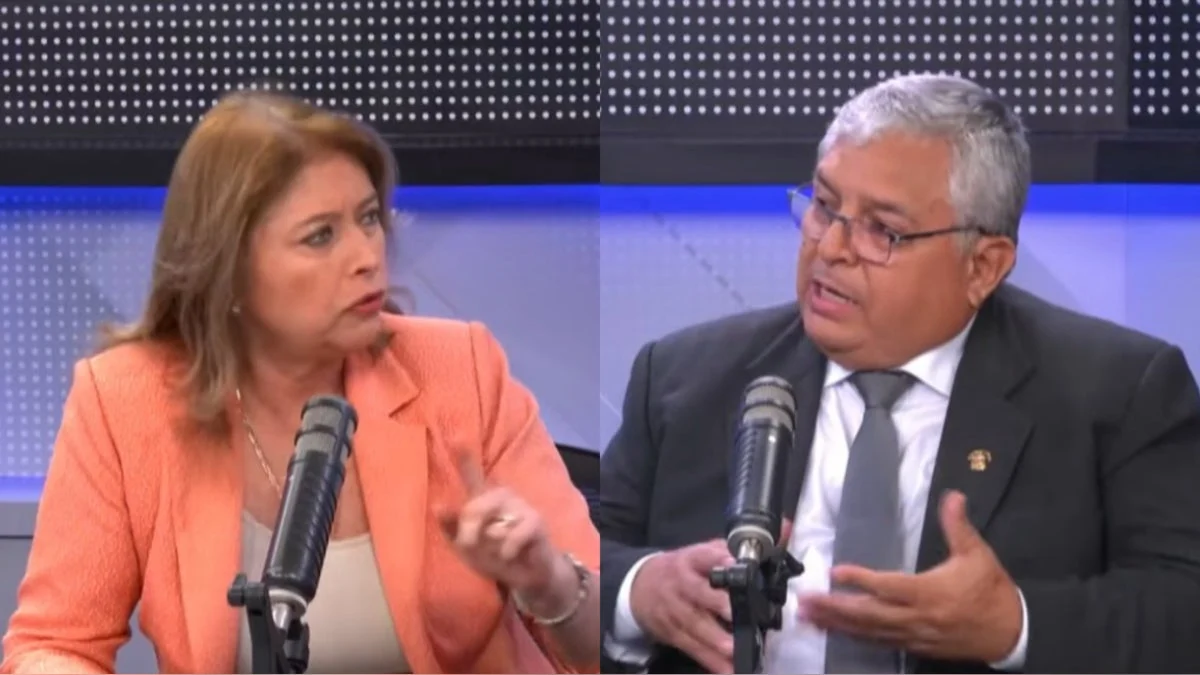
In an interview on the RPP program Las cosas como son, deputies Roxana Rocha (Renovación Popular) and Fernando García (Partido del Buen Gobierno) provided critical insights into the legislative maneuvering and the looming battle in the Senate.
The Limits of the Senate
A central point of contention involves the regulatory constraints placed upon the Senate. According to Deputy Fernando García, the Senate’s role is not that of a co-author, but of a reviser. He cited Articles 25 and 142 of the Senate’s regulations, which he argues strictly limit the upper house’s ability to modify the text.
"The regulation states with absolute clarity that the Senate does not have the authority to denature or disregard the fundamental elements of what we have approved," García stated. He maintains that while the Senate is often referred to as the "reflexive chamber," this does not grant it the license to introduce new subjects or fundamentally alter the structure of the delegation approved by the deputies.
Deputy Roxana Rocha, while acknowledging the Senate’s role, offered a slightly more nuanced perspective. She noted that while some senators have signaled their intention to respect the majority report, they may choose to "prune" certain faculties. "They have the right to review and potentially remove certain powers," Rocha explained. "We must respect the nature of the reflexive chamber, but we will remain vigilant against any attempts to incorporate new, unauthorized subject areas."
Implications: The Constitutional Tug-of-War
The shift of the bill to the Senate has created a climate of political "vigilance." Both Rocha and García expressed concerns that the Executive might pressure senators to undo the work of the lower house.
Tools Beyond Delegation
A recurring theme in the discussion was the critique of the Executive’s claim that they require these powers to govern effectively. Deputy Rocha pointed out that the administration already possesses robust legal tools to handle emergencies. She explicitly mentioned the use of "states of emergency" and the introduction of "ordinary legislative initiatives" as viable pathways for the government to achieve its policy goals without needing a broad delegation of powers.
Deputy García reinforced this point, challenging the narrative that the government’s hands are tied. "It is simply not true that if we do not grant these sweeping legislative powers, the Executive will be unable to confront criminality or manage the effects of El Niño," he stated. His comments suggest that the current standoff is as much about political posturing as it is about practical governance.
The Road Ahead
As the Senate prepares its review, the atmosphere remains charged. For the opposition, the focus is on preserving the integrity of the constitutional process. For the Executive, the challenge lies in navigating a legislative reality where their original vision has been significantly curtailed by a skeptical coalition.
The institutional stability of the country may depend on how the Senate interprets its "reflexive" role. If the Senate chooses to respect the boundaries established by the Chamber of Deputies, the bill may pass with minor adjustments. However, should the upper house attempt to re-introduce the 66 original subject areas, it risks a constitutional crisis that could paralyze the government’s legislative agenda for the remainder of the session.
In the coming days, all eyes will be on the Senate’s Constitution Committee. The political future of the Galarreta administration’s reform agenda hinges on this delicate balance between executive necessity and the legislative mandate for restraint. The deputies have sent a clear message: in a democracy, the delegation of power is not a right, but a conditional authority granted by those who represent the will of the people.