Lambayeque, Peru – [Date of Publication] – The region of Lambayeque is poised for significant sustainable growth following the approval of 75 investment projects by the National Environmental Certification Service for Sustainable Investments (Senace), an entity operating under the purview of Peru’s Ministry of Environment. These meticulously reviewed projects represent a substantial financial commitment exceeding US$757 million, signaling a robust drive towards environmental responsibility alongside economic development across key sectors including agriculture, electricity, hydrocarbons, mining, solid waste management, and transportation.
The cornerstone of this significant approval is the green light given to 26 Technical Sustaining Reports (ITS). These crucial instruments are designed to meticulously evaluate modifications, expansions, or technological upgrades to existing projects. The ITS framework ensures that any proposed changes are subjected to rigorous environmental scrutiny, guaranteeing that their impact on the environment remains non-significant. This proactive approach by Senace is vital in fostering an environment where industrial and infrastructure development can proceed without compromising the ecological integrity of Lambayeque.
Among the notable ITS approvals are those pertaining to ancillary works and road safety enhancements for the ambitious Amazonas Norte Road Corridor, specifically the Piura-Olmos stretch. This project is poised to significantly improve connectivity and facilitate the movement of goods and people, thereby stimulating economic activity. Furthermore, the approval of an ITS for a 60 kV transmission line connecting the newly established Zaña Hydroelectric Power Plant to the Cayaltí substation underscores the region’s commitment to expanding its renewable energy infrastructure. This development is critical for ensuring a stable and sustainable energy supply, a key enabler for broader economic advancement and improved quality of life for the residents of Lambayeque.
Beyond infrastructure and energy, Senace has also championed environmental management for crucial public works. The approval of Environmental Management Instruments for Construction Interventions (IGAPRO) for projects aimed at protecting the riverbanks of the Motupe and La Leche rivers is a testament to this commitment. These initiatives are strategically designed to mitigate and reduce the risks associated with flooding, a persistent environmental challenge in the region. By investing in robust flood control measures, Lambayeque is not only safeguarding its communities and infrastructure but also preserving valuable agricultural land and ecosystems from the destructive forces of nature.
A defining characteristic of Senace’s operational ethos is its unwavering dedication to public engagement. Throughout its rigorous evaluation processes in Lambayeque, the agency has actively fostered a culture of transparency and collaboration. This commitment is vividly demonstrated by the organization of 46 workshops and public hearings. These crucial forums provided a platform for over 1,400 individuals to voice their concerns, offer insights, and actively participate in the environmental certification process for these vital investment projects. This inclusive approach ensures that the voices of the local communities are heard and considered, fostering a sense of shared ownership and responsibility for the sustainable development of their region.
The Intercultural Classroom: Bridging Environmental Understanding
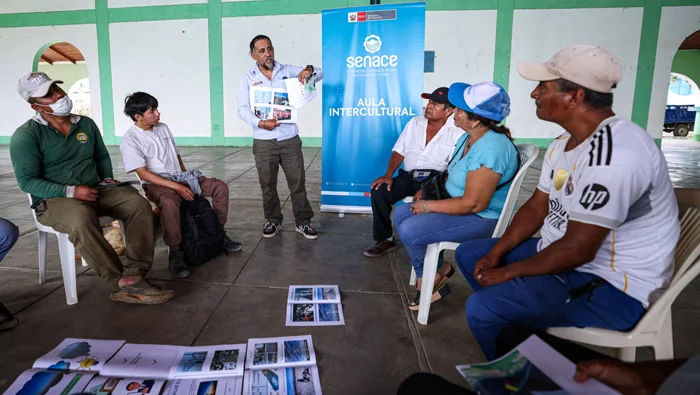
In a significant move to enhance environmental literacy and foster community engagement, Senace’s "Intercultural Classroom" initiative reached the districts of Olmos and Mórrope in Lambayeque during September. This innovative program aims to disseminate crucial information about the environmental certification process in a dynamic and collaborative manner. The focus was particularly on renewable energy projects and other significant developments slated for the region.
The Intercultural Classroom employs engaging methodologies to demystify complex environmental regulations and procedures. By utilizing accessible language and interactive formats, Senace empowers local populations with a deeper understanding of how their environment is protected during the development of large-scale projects. This initiative is not merely about information dissemination; it is about cultivating an informed and engaged citizenry that can actively contribute to environmental stewardship and sustainable development.
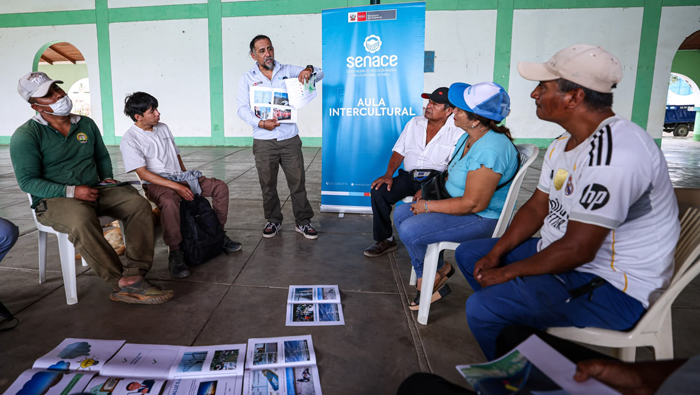
Through these efforts, Senace continues to champion the exercise of citizens’ rights in environmental matters. By actively involving communities in the decision-making processes that affect their local ecosystems, the agency reinforces the principle that sustainable development is a collective endeavor. The success of the Intercultural Classroom in Lambayeque highlights the potential for such initiatives to foster greater trust, transparency, and collaboration between government agencies, private investors, and the communities that will ultimately benefit from, or be impacted by, these development projects. This approach is fundamental to building a truly sustainable future for the northern regions of Peru.
Senace: Guardians of Sustainable Investment
The National Environmental Certification Service for Sustainable Investments (Senace) stands as a specialized technical public body, operating with distinct technical autonomy. It is institutionally linked to the Ministry of Environment, tasked with a critical mission: to evaluate the environmental viability of major investment projects across Peru. Senace’s operational framework is built upon two fundamental pillars: technical rigor and effective citizen participation.
This dual approach ensures that all large-scale development projects undergo a comprehensive and scientifically sound environmental assessment. Senace’s teams of experts meticulously analyze potential environmental impacts, propose mitigation measures, and ensure compliance with national environmental standards. Simultaneously, the agency recognizes that true sustainability cannot be achieved without the active involvement of the communities most directly affected by these projects.
By mandating public hearings, workshops, and accessible information dissemination, Senace empowers citizens to become active participants in the environmental governance of their regions. This commitment to transparency and dialogue not only strengthens the legitimacy of the certification process but also leads to better-informed decisions and more resilient, socially responsible development outcomes. Senace’s role is therefore pivotal in navigating the complex landscape of economic development and environmental protection, striving to ensure that Peru’s growth is both robust and enduring, benefiting both its people and its precious natural heritage.
[Optional: Placeholder for Author Information]
Written by the ProActivo Editorial Team, dedicated to reporting on sustainable development and environmental initiatives in Peru and Latin America.